Watch the video
The Ottoman Empire and Its Postal Legacy
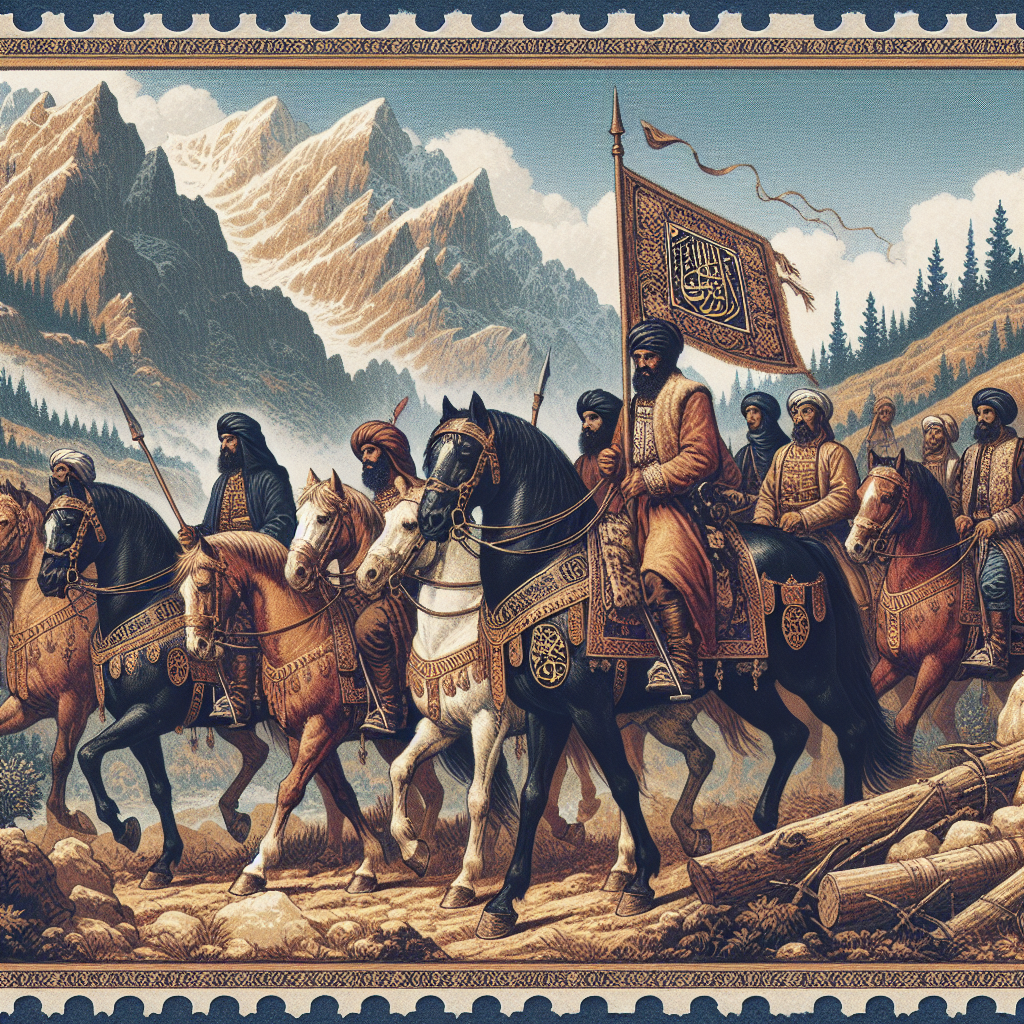
The Ottoman Empire, which spanned over six centuries from the late 13th century to the early 20th century, was one of history’s most culturally diverse and geographically expansive empires. Stretching across Southeast Europe, Western Asia, and North Africa, it was home to a mosaic of ethnicities, languages, and religions. The empire’s postal system, especially its stamps, offers a fascinating glimpse into this complex heritage. Collecting stamps from the Ottoman Empire not only appeals to philatelists but also historians and enthusiasts intrigued by this multicultural civilization.
The Origins of the Ottoman Postal System
Before the introduction of postage stamps, the Ottoman Empire relied on a traditional courier system known as the ulak service. Established in the 15th century, this system used mounted couriers to transmit messages across vast distances. However, by the 19th century, the need for a modernized postal service aligned with global trends became imperative.
In 1840, inspired by the success of postal reforms in Europe, the Ottoman Empire established the Posta Nezareti (Ministry of Posts), modernizing its postal infrastructure. This modernization culminated in the issuance of the empire’s first postage stamps in 1863, marking the beginning of a new era in Ottoman communication and administration.
The First Ottoman Stamps: Design and Symbolism
The first Ottoman stamps, known as the “Tughra” issues, were printed in 1863. The design prominently featured the Sultan’s tughra, a highly stylized calligraphic monogram or signature unique to each sultan. The tughra represented the authority and sovereignty of the Ottoman ruler.
The initial stamp issues came in denominations ranging from 1 para to 20 para, printed in various colors. Notably, these stamps bore inscriptions in Ottoman Turkish script, which used Arabic characters, underscoring the empire’s linguistic identity during that period.
Interesting Anecdote: The Tughra as a Stamp Emblem
The tughra itself was not just a royal emblem but an artistic expression of power. Each sultan had a unique tughra that combined the ruler’s name and title in a fluid, calligraphic style. When translated into stamp artwork, the tughra became a symbol of the empire’s unity and grandeur, connecting the postal system to the sultan’s authority.
Multilingualism in Ottoman Stamps
One of the most fascinating aspects of Ottoman stamps is their reflection of the empire’s linguistic diversity. The empire encompassed numerous ethnic groups speaking Turkish, Arabic, Greek, Armenian, Kurdish, and other languages.
Initially, Ottoman stamps predominantly used Ottoman Turkish in Arabic script. However, as the empire’s postal relations expanded internationally, stamps started to include Latin script and French inscriptions. French was widely used in diplomacy and international communication during the 19th century, leading to its appearance on many Ottoman postal issues.
Additionally, the empire issued stamps for specific regions and minority communities. For example, the Armenian Post, established in the late 19th century, issued its own set of stamps using Armenian script, highlighting the postal autonomy of certain ethnic groups within the empire.
Collector Tip: Identifying Regional and Language Variations
- Look for stamps with bilingual inscriptions, often Ottoman Turkish and French, which were common in international mail.
- Seek out rare regional issues like the Armenian Post stamps or those from the Hejaz Railway, which operated its own postal service in parts of the Arabian Peninsula.
- Pay attention to overprints and surcharges, which sometimes indicate changes in territorial control or postal rates.
The Evolution of Ottoman Stamp Designs
Over the decades, Ottoman stamps evolved in design, reflecting political changes, technological advancements, and cultural shifts. After the initial “Tughra” series, new themes began to appear, including portraits of the reigning sultans, emblems such as the crescent and star, and symbolic motifs like mosques and architectural landmarks.
The printing technology also advanced from lithography to more sophisticated intaglio and typography methods, allowing for finer detail and color variation. Some issues included elaborate borders and intricate patterns inspired by Islamic art, contributing to their aesthetic appeal.
Historical Fact: The Impact of World War I on Ottoman Postal Issues
During World War I, the Ottoman Empire was involved in significant military conflicts and territorial changes. This period saw a decrease in the production of new stamps and an increase in overprinted stamps to reflect new postal rates and control over captured territories. These wartime issues are particularly prized by collectors for their historical context.
Rare Ottoman Postal Artifacts and Their Significance
Beyond standard postage stamps, the Ottoman Empire produced various postal artifacts that are now rare collector’s items. These include:
- Postal stationery: Pre-printed envelopes and postcards featuring Ottoman motifs and stamps.
- Official seals and cancellations: Handstamps indicating administrative offices or special postal services.
- Railway and military mail covers: Mail transported via the empire’s extensive rail and military networks, often bearing unique postal markings.
These artifacts provide a richer understanding of the empire’s communication networks and the interplay between its diverse regions.
Tips for Collecting Ottoman Empire Stamps
Collecting Ottoman stamps can be a rewarding endeavor, but it requires knowledge and patience. Here are some tips for enthusiasts:
- Educate Yourself on Ottoman Script: Familiarize yourself with Ottoman Turkish script and calligraphy to better identify stamps and understand inscriptions.
- Study Postal History: Learn about the empire’s postal routes, rates, and administrative changes over time to appreciate the context of your collection.
- Condition Matters: Due to their age, many Ottoman stamps are fragile. Seek well-preserved examples with clear cancellations.
- Use Reputable Sources: Purchase from established dealers and auction houses specializing in Ottoman or Middle Eastern philately to avoid forgeries.
- Join Philatelic Societies: Groups such as the Ottoman Philatelic Society offer resources, catalogs, and community support.
The Cultural Significance of Ottoman Stamps
Ottoman stamps are more than just postal tokens; they are miniature windows into the empire’s rich cultural tapestry. The intricate calligraphy, multilingual inscriptions, and symbolic imagery reflect an empire that embraced diversity while asserting its imperial identity.
For historians and philatelists alike, these stamps serve as tangible connections to a vanished world — one that blended tradition and modernity, East and West, in a unique historical milieu.
Visual Summary — Article in Motion
Conclusion
The stamps of the Ottoman Empire provide a fascinating portal into an empire known for its cultural complexity and historical transformations. From the elegant tughra designs to multilingual inscriptions and wartime overprints, these postal artifacts capture the essence of an era that shaped much of the modern Middle East and beyond. Collecting and studying Ottoman stamps offers not only philatelic joy but also a profound appreciation of a multicultural heritage that continues to inspire and educate.