Watch the video
Introduction to Stamps as Tools of Propaganda
Postage stamps are often perceived merely as tools for mailing letters, but their significance extends far beyond their practical use. Throughout history, countries have utilized stamps as subtle yet powerful instruments of propaganda to shape national identity, promote political agendas, and convey cultural pride. These miniature pieces of art and communication serve as windows into the values, ideologies, and historical narratives that nations wish to project both domestically and internationally.
The Historical Origins of Stamps in Political Messaging
The inception of the postage stamp in 1840 with Britain’s Penny Black marked not only a revolution in postal services but also the beginning of stamps as a medium of communication beyond their functional role. Early stamps featured monarchs and national symbols, establishing an immediate connection between the state and the citizenry. Over time, stamps evolved to carry more explicit political and ideological messages, subtly reinforcing government narratives and shaping collective memory.
The Penny Black and the Monarchy
The Penny Black was the world’s first adhesive postage stamp and prominently featured Queen Victoria’s profile. This image was not chosen arbitrarily; it symbolized the unity and stability of the British Empire under the monarch’s reign. By circulating her likeness to every corner of the empire, the stamp reinforced loyalty and the legitimacy of the monarchy. This precedent established stamps as carriers of national symbolism and political authority.
Stamps as Instruments of National Identity
Countries have long harnessed stamps to cultivate a sense of national pride and identity. By depicting iconic landmarks, historical figures, cultural achievements, and indigenous flora and fauna, stamps create a narrative that citizens can rally around. This use of stamps is particularly prominent during periods of nation-building, independence movements, or political transitions.
United States: Celebrating Democracy and Founding Fathers
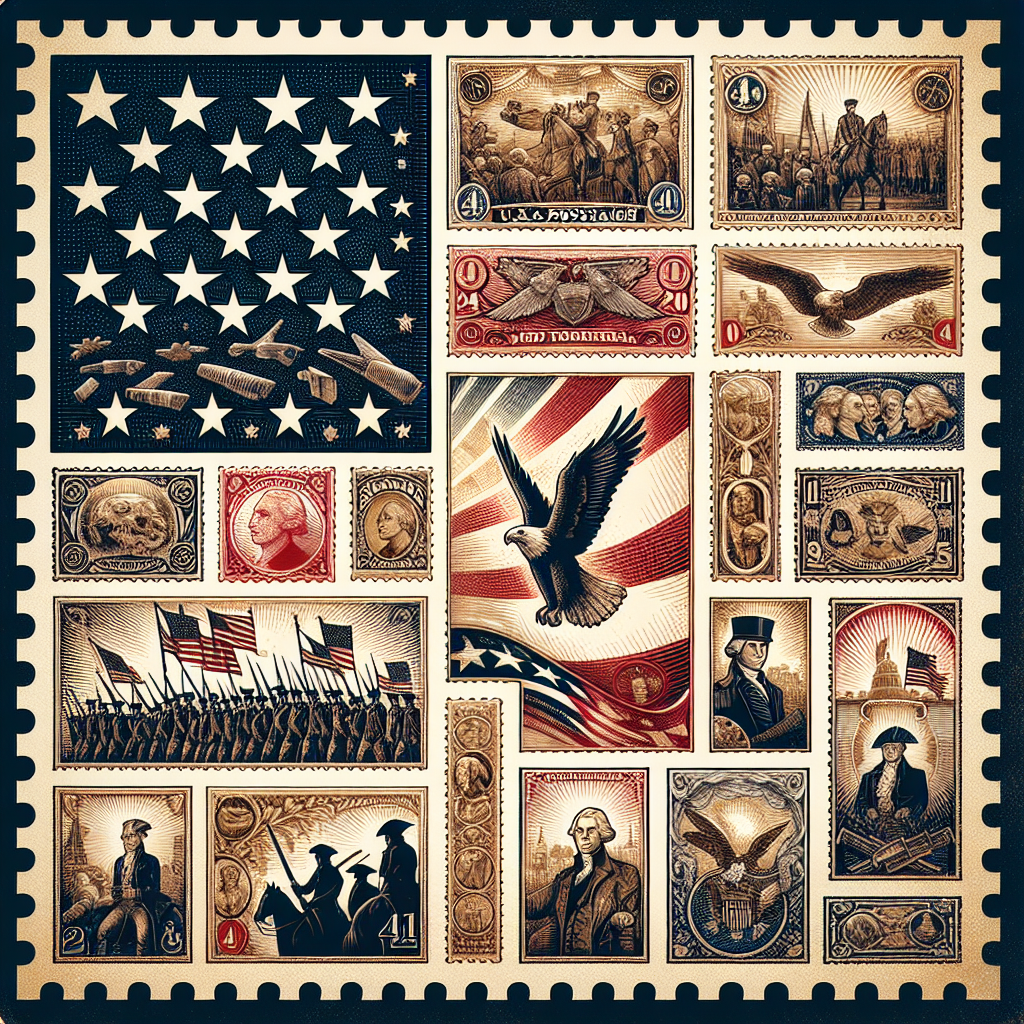
In the United States, stamps have frequently celebrated democratic ideals, key historical figures, and milestones. The depiction of presidents such as George Washington and Abraham Lincoln reinforces foundational narratives of liberty and leadership. Additionally, commemorative stamps marking events like the Declaration of Independence or the civil rights movement underscore the nation’s evolving identity and political values.
Post-Colonial Nations and the Assertion of Identity
Following decolonization, many newly independent countries used stamps to assert sovereignty and cultural distinctiveness. For example, India’s stamps after 1947 featured indigenous icons, leaders like Mahatma Gandhi, and cultural motifs, signaling a break from colonial rule and the forging of a new national identity. Similarly, African and Caribbean nations produced stamps showcasing traditional art, local wildlife, and heroes of independence, reinforcing pride and unity.
Ideology and Propaganda: Stamps in Authoritarian Regimes
Authoritarian regimes have exploited stamps as propaganda tools to legitimize their power, promote ideology, and intimidate opposition. The imagery and themes chosen often glorify leaders, symbolize ideological principles, or project strength and unity.
Soviet Union: The Glorification of Communism
The Soviet Union extensively used stamps to propagate communist ideology. Stamps featured images of Lenin, Stalin, workers, soldiers, and industrial achievements, symbolizing the triumph of socialism and the collective spirit. These designs served as everyday reminders of loyalty to the state and the Communist Party’s narrative of progress and revolution.
Nazi Germany: The Cult of the Führer
Under Nazi rule, postage stamps were co-opted to reinforce the cult of Adolf Hitler and Nazi ideology. Stamps depicted Hitler’s portrait, military victories, and Aryan symbolism, contributing to a pervasive atmosphere of nationalism and racial ideology. The widespread circulation of such stamps aimed to normalize and entrench the regime’s worldview among the populace.
Stamps Reflecting Historical Narratives and Political Change
Stamps often serve as visual records of historical events and political shifts. They commemorate revolutions, wars, treaties, and social movements, helping to shape public memory and national discourse.
German Stamps: From Empire to Division and Reunification
Germany’s stamps mirror its tumultuous history. Imperial German stamps featured monarchs and imperial symbols. After World War II, East and West Germany issued distinct stamps reflecting their ideological divide: East Germany’s stamps promoted socialism, while West Germany emphasized democratic values and European integration. Following reunification in 1990, stamps celebrated unity and a shared heritage, illustrating how stamps can track political transformations.
South Africa: From Apartheid to Democracy
During apartheid, South African stamps often ignored the experiences of the majority black population, focusing instead on colonial heritage and Afrikaner leaders. Post-apartheid stamps have actively sought to redress this by featuring anti-apartheid heroes, indigenous cultures, and themes of reconciliation and diversity, demonstrating how postage stamps can participate in nation healing and identity redefinition.
Collector Tips: Identifying Propaganda in Stamp Collections
For philatelists, understanding the political and propagandistic context behind stamps enriches collecting experience and adds depth to their collections. Here are some tips to identify and appreciate propaganda stamps:
- Research Historical Context: Investigate the era and political climate during which the stamp was issued. Knowing the background helps decode the imagery and messaging.
- Analyze Imagery and Symbols: Look for portraits of leaders, ideological symbols (e.g., stars, eagles, hammers and sickles), and slogans that may indicate propaganda intent.
- Consider Geographic and Political Boundaries: Stamps from disputed territories or newly formed nations often carry strong identity messages.
- Examine Commemorative Issues: Stamps issued to mark anniversaries or political events often carry explicit or implicit propaganda.
- Beware of Overprints and Censorship Marks: These can reflect political upheaval or regime changes.
Interesting Anecdotes: Iconic Propaganda Stamps Around the World
One notable example is the “Victory Mail” stamps issued by the United States during World War II, designed to boost morale and promote the war effort. These stamps often featured patriotic themes, military heroes, and messages encouraging unity and sacrifice.
Another intriguing case is the “Peace and Progress” series issued by various countries during the Cold War, subtly promoting ideological messages under the guise of universal themes like peace, science, and culture. These stamps were carefully crafted to project a nation’s values to international audiences.
In Cuba, stamps featuring Che Guevara have become iconic representations of revolutionary ideals and anti-imperialism, widely collected by enthusiasts around the world as symbols of resistance and political identity.
The Role of Modern Stamps in Political Messaging
While digital communication has transformed how governments reach their citizens, postage stamps remain relevant as cultural artifacts and diplomatic tools. Modern stamps often commemorate contemporary political milestones, social justice movements, or international cooperation efforts, continuing the tradition of stamps as subtle conveyors of national narratives.
Countries increasingly issue stamps celebrating diversity, environmental conservation, and technological innovation, reflecting evolving political priorities and global challenges. Collectors and historians alike benefit from studying these designs to understand how nations present themselves both internally and on the world stage.
Visual Summary — Article in Motion
Conclusion
From their origins as simple postage facilitators to their role as miniature billboards of ideology and identity, stamps have played a significant part in shaping national consciousness. Through carefully chosen imagery and themes, countries have used stamps to affirm sovereignty, propagate political ideology, commemorate history, and inspire pride. For collectors and historians, exploring the hidden political messages behind iconic stamp designs offers a fascinating glimpse into the ways nations communicate and construct their identities over time.