Watch the video
Introduction to Scented Stamps
Stamp collecting, or philately, has always been a rich tapestry of history, art, and culture. Among the many fascinating niches within this hobby, scented stamps stand out as a unique and multisensory experience. These fragrant philatelic items combine visual appeal with aromatic delight, offering collectors more than just a visual connection to the past. In this article, we explore the origins, design innovations, and famous releases of scented stamps, illuminating how fragrance has added a new dimension to the world of stamp collecting.
The Origins of Scented Stamps
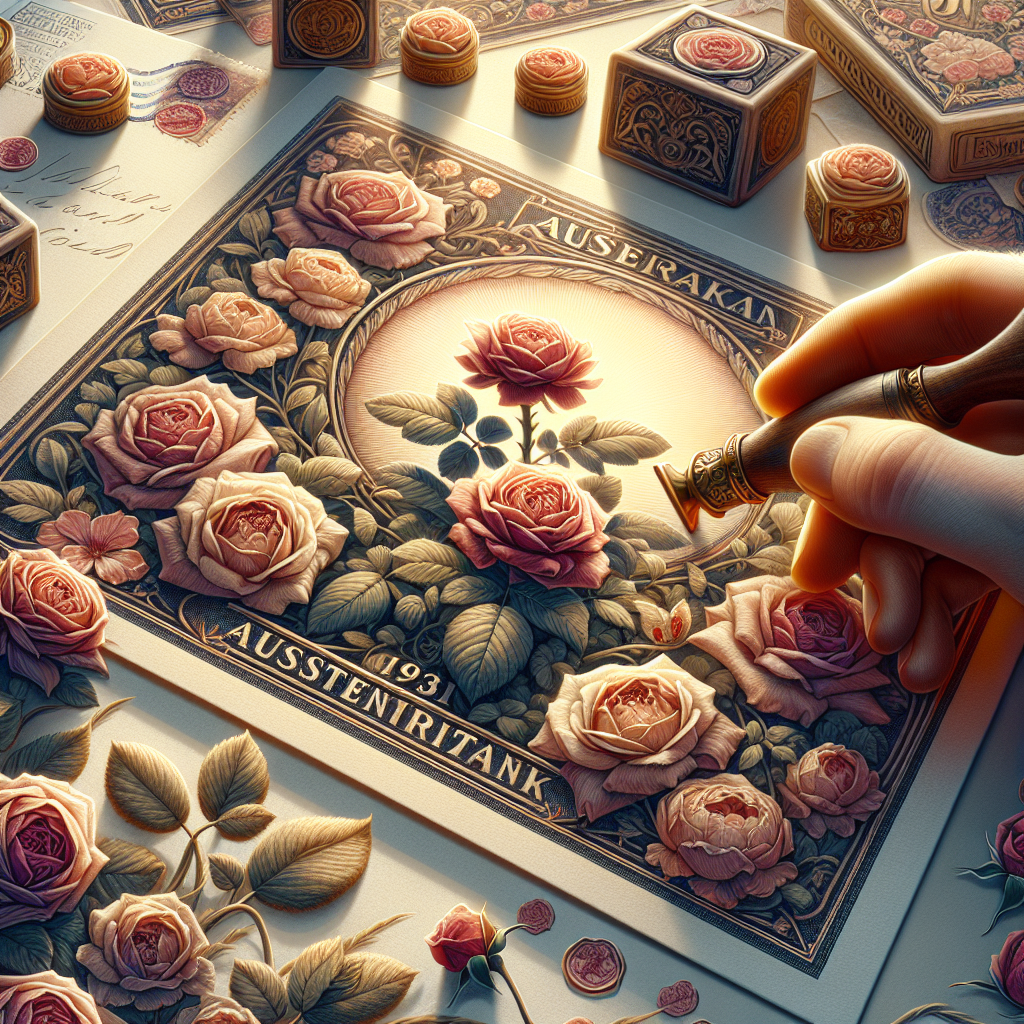
The concept of scented stamps dates back to the early 20th century, when postal authorities sought innovative ways to engage the public and promote special issues. The first known scented stamp was issued by Austria in 1931, featuring a rose scent that complemented the floral design. This pioneering release opened the door for other countries to experiment with perfumed postage, blending olfactory artistry with traditional stamp design.
Interestingly, the use of scent in stamps was not purely decorative; it also served promotional and commemorative purposes. For example, some scented stamps celebrated national flowers, perfumes, or cultural icons associated with fragrance. This approach allowed postal services to connect with collectors and the general public in a novel and memorable way.
Technological Innovations in Scented Stamp Production
Creating scented stamps requires specialized printing techniques and materials. Typically, micro-encapsulation technology is employed, where tiny fragrance capsules are embedded within the stamp’s surface. When rubbed or scratched, these capsules release the scent, allowing the user to experience the aroma without damaging the stamp.
Advances in this technology have improved scent longevity and fidelity. Early scented stamps often lost their fragrance quickly or had artificial smells, but modern methods enable longer-lasting, more natural scents. Additionally, some stamps use scented inks or coatings infused with essential oils, enhancing both the visual quality and olfactory experience.
Famous Scented Stamp Releases Around the World
Numerous countries have embraced scented stamps, each bringing its own cultural and botanical heritage into the design. Here are some of the most notable scented stamp issues:
- Austria (1931): The first rose-scented stamp, a true pioneer in fragrant philately.
- France (1978): Issued a series of floral scented stamps, including lavender and violet, celebrating the country’s rich perfume tradition.
- Canada (2003): Released a maple leaf scented stamp to commemorate its national symbol, evoking the sweet aroma of maple syrup.
- Bhutan (1997): Produced scented stamps featuring native flowers, such as the blue poppy, with accompanying fragrances that reflect the Himalayan flora.
- United States (2006): Issued a rose-scented stamp honoring the American Rose Society, combining botanical imagery with a delicate aroma.
Case Study: The 2002 Singapore Orchid Scented Stamp
Singapore’s 2002 orchid scented stamp is a standout example of innovation and cultural connection. The stamp showcased the Vanda Miss Joaquim, Singapore’s national flower, with a fragrance designed to mimic its natural scent. The release was well received by both philatelists and the public, highlighting the potential for scented stamps to celebrate national identity through multiple senses.
The Artistic and Cultural Significance of Scented Stamps
Beyond their novelty, scented stamps hold artistic and cultural value. They encapsulate the essence of a nation’s flora, traditions, and history in a compact, collectible form. Designers often collaborate with perfumers and botanists to create authentic scents that complement the visual artwork.
Moreover, scented stamps can evoke nostalgia and memories through their fragrances, creating emotional connections for collectors. This multisensory approach enriches the philatelic experience, making the stamps treasured keepsakes rather than mere postal tools.
Philatelic Exhibitions and Scented Stamps
Scented stamps have found a place in philatelic exhibitions worldwide, where collectors can appreciate their uniqueness firsthand. Some exhibitions even feature interactive displays allowing visitors to smell the stamps, enhancing engagement and education about this niche.
Tips for Collecting Scented Stamps
For philatelists interested in venturing into the world of scented stamps, here are some valuable tips:
- Handle with care: Avoid excessive rubbing or exposure to heat and sunlight, which can degrade the fragrance capsules.
- Storage: Store scented stamps in a cool, dark place in airtight containers or albums designed to preserve scent.
- Authentication: Purchase from reputable dealers or trusted sources to avoid counterfeit or damaged scented stamps.
- Documentation: Keep detailed records, including issue dates, scent descriptions, and any provenance to maintain collection value.
- Display: Use frames or mounts that protect the stamps from environmental damage while allowing occasional scent release.
Common Challenges in Scented Stamp Collecting
Collectors should be aware of certain challenges unique to scented stamps. The fragrance can fade over time, especially if not stored properly. Additionally, scented stamps may be more susceptible to damage from moisture or oils on hands. Understanding these factors is crucial for preserving the stamps’ integrity and aromatic appeal.
The Future of Scented Philately
As technology advances, the future of scented stamps appears promising. Innovations in scent encapsulation, biodegradable materials, and augmented reality could further enhance the multisensory experience. Imagine stamps that not only emit fragrance but also link to digital content or virtual exhibitions about the scent’s origin.
Postal administrations continue to explore scented issues as a means of attracting new collectors and commemorating cultural heritage. The fusion of art, scent, and storytelling ensures that scented stamps will remain a cherished part of philately for years to come.
Visual Summary — Article in Motion
Conclusion
Scented stamps represent a fascinating intersection of art, fragrance, and history. From their early beginnings in 1930s Austria to contemporary releases celebrating national identity, these fragrant philatelic items offer collectors a multisensory journey through culture and nature. By understanding their origins, design innovations, and care requirements, enthusiasts can appreciate and preserve the aromatic stories behind fragrant philately. Whether you are a seasoned collector or new to the hobby, scented stamps provide a unique and engaging way to connect with the world of stamps.