Watch the video
The Bolshevik Revolution: A Turning Point in Russian History
The year 1917 marked one of the most tumultuous periods in Russian history, with the Bolshevik uprising leading to the fall of the Romanov dynasty and the rise of the Soviet Union. This seismic political shift was not only documented in history books but was also vividly reflected in one of the most ubiquitous everyday objects: postage stamps. These small pieces of paper became potent tools of propaganda, mirroring the ideological transformation and revolutionary zeal of the new regime.
Historical Background: The 1917 Uprising and Its Aftermath
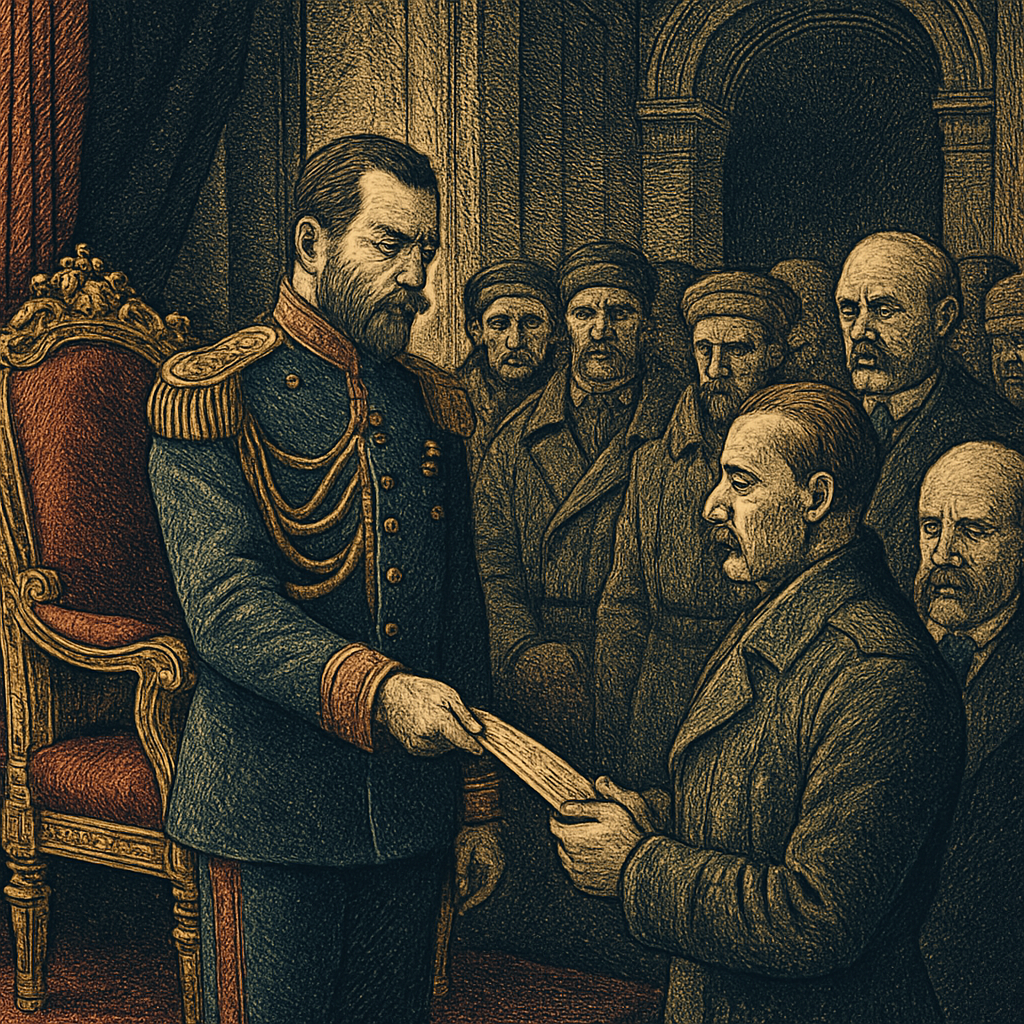
The February Revolution of 1917 led to the abdication of Tsar Nicholas II, ending centuries of imperial rule. However, it was the October Revolution, led by the Bolsheviks under Vladimir Lenin, that decisively changed the course of Russian and world history. The Bolsheviks seized power with promises of “Peace, Land, and Bread,” advocating for a proletarian state and the overthrow of capitalist structures.
During this period of civil unrest and social upheaval, the postal system played a crucial role in communication, information dissemination, and propaganda. The newly established Soviet government quickly recognized the power of postage stamps as a medium to convey revolutionary messages and legitimize their authority.
Stamps as Instruments of Soviet Propaganda
Postage stamps in early Soviet Russia were more than just facilitators of mail; they were canvases for political messaging. The Bolsheviks used stamps to:
- Celebrate revolutionary heroes and events: Figures such as Lenin and images of the Red Army became central themes.
- Promote ideological themes: Symbols of communism, workers, and the peasantry were frequently depicted.
- Mark regime legitimacy: By issuing new stamps, the Soviet government demonstrated its control over state functions.
Early Soviet Stamp Issues (1917-1923)
Immediately after the revolution, the Soviet postal service issued overprints on existing Imperial Russian stamps, often with slogans like “Proletariat of the World, Unite!” These overprints were practical and symbolic, signaling the regime change while utilizing available materials during economic hardship.
By 1921, the Soviet Union began producing original stamp designs featuring revolutionary imagery. For example, the 1922 “Worker and Farmer” series depicted robust workers and peasants, emphasizing the unity of the Soviet classes. Another notable issue was the 1923 Lenin definitive series, which cemented Lenin’s image as the emblem of the revolution and Soviet power.
Iconography and Symbolism in Bolshevik Stamps
Early Soviet stamps were rich in symbolism, carefully crafted to communicate the ideals of the new state:
- Hammer and Sickle: Representing industrial and agricultural workers united.
- Red Star: A symbol of communism and the Red Army.
- Portraits of Lenin: Emphasizing leadership and the continuity of revolutionary ideals.
- Images of Workers and Soldiers: Depicting the backbone of the Soviet state.
These motifs served to inspire loyalty and reinforce the legitimacy of the Bolshevik regime both domestically and internationally.
Collecting Soviet Revolutionary Stamps: Tips and Insights
For philatelists, stamps from the 1917 Bolshevik period offer a fascinating glimpse into a pivotal era. Collecting these stamps requires understanding their historical context and identifying rare or significant issues.
Identifying Key Issues
- Overprinted Imperial Stamps (1917-1919): Look for stamps overprinted with revolutionary slogans or symbols.
- Early Original Issues (1921-1923): These include the “Worker and Farmer” series and Lenin definitive stamps.
- Postal History Items: Covers and letters from the period bearing revolutionary stamps hold additional value and historic interest.
Preservation and Authentication
Given the passage of time and political upheavals, preserving these stamps in good condition can be challenging. Collectors should:
- Store stamps in acid-free albums or protective mounts.
- Consult experts for authentication, especially for rare overprints.
- Be aware of forgeries, which are common due to the high demand for revolutionary-era stamps.
Interesting Anecdotes from Collectors
One fascinating story comes from collectors who discovered that some overprints were applied locally by revolutionary committees, resulting in variations and rare printings. These localized overprints can be particularly valuable, as they reflect the chaotic and decentralized nature of the early Soviet postal system.
The Legacy of Bolshevik Stamps in Soviet Philately
The revolutionary stamps of the early Soviet period laid the foundation for a rich philatelic tradition. They demonstrated how postage stamps could serve as vehicles for state messaging and cultural identity. Over the decades, Soviet stamps continued to feature political themes, commemorations of historical events, and portrayals of Soviet achievements, reflecting the evolving narrative of the USSR.
Moreover, these stamps remain highly sought after by collectors worldwide, not only for their aesthetic and historical significance but also for their role as tangible remnants of one of the 20th century’s most dramatic political upheavals.
Visual Summary — Article in Motion
Conclusion
The Russian 1917 Bolshevik uprising is immortalized not only in textbooks and museums but also in the small, yet powerful, medium of postage stamps. These stamps serve as miniature windows into the revolutionary spirit, ideological shifts, and propaganda strategies of early Soviet Russia. For collectors and historians alike, they offer a compelling narrative of change, struggle, and the birth of a new era through the lens of philately.