Watch the video
Introduction to Stamp Preservation and Display
Stamp collecting, or philately, is a cherished hobby that combines history, art, and culture into miniature works of art. Whether you are a seasoned collector or just starting, preserving and displaying your stamps properly is essential to maintain their condition and showcase their beauty. This comprehensive guide will provide expert advice on framing, protecting, and exhibiting your stamp collection like a professional, ensuring your treasured pieces remain in pristine condition for years to come.
Understanding the Importance of Proper Preservation
Stamps are delicate items, often made from thin paper and printed with inks that can fade or deteriorate over time. Environmental factors such as light, humidity, temperature fluctuations, and handling can all impact the longevity of your collection.
Preserving your stamps not only protects their physical integrity but also maintains or enhances their value. Collectors who invest time in proper preservation techniques often find their collections appreciate in worth, as condition is a critical factor in stamp valuation.
Common Threats to Stamp Condition
- Light Exposure: Prolonged exposure to direct sunlight or intense artificial light can cause fading and discoloration.
- Humidity and Moisture: Excess humidity can lead to mold growth, paper warping, and adhesive deterioration.
- Temperature Fluctuations: Extreme heat or cold can weaken paper fibers and adhesives.
- Handling Damage: Oils and dirt from fingers can stain stamps; improper mounting can cause tears or creases.
- Pests: Insects such as silverfish may feed on paper materials.
Best Practices for Protecting Your Stamp Collection
Use Archival-Quality Materials
When mounting or storing stamps, always choose acid-free, archival-quality paper, mounts, and stockbooks. Acidic materials can cause yellowing and degradation over time, damaging your stamps irreversibly.
Popular archival products include stamp mounts made from inert plastic such as polyester or polypropylene, which provide a safe barrier against environmental contaminants.
Handle Stamps Carefully
Always use stamp tongs — specialized tweezers with rounded tips — to handle your stamps. This prevents oils, moisture, and dirt from transferring from your fingers to the fragile surface of the stamps.
When examining stamps under magnification or light, ensure your hands are clean and dry, and avoid excessive pressure that could crease or damage the paper.
Store Stamps in Controlled Environments
Store your collection in a cool, dry, and dark place to minimize exposure to damaging elements. Avoid basements or attics where temperature and humidity levels fluctuate significantly.
Using desiccant packets inside storage boxes or display frames can help control moisture. Additionally, maintaining a relative humidity of around 40-55% is ideal for preserving paper-based collectibles.
Designing Elegant Framed Displays for Your Stamp Collection
Displaying your stamps beautifully allows you to share your passion and the stories behind each piece with others. Framing can transform a collection from a mere hobby into a stunning work of art.
Choose the Right Frame and Matting
Opt for high-quality frames made from wood or metal that complement your stamps without overpowering them. Use UV-protective glass or acrylic to guard against fading caused by light exposure.
Matting serves both an aesthetic and protective function. Acid-free mats create visual separation between the stamps and the glass, preventing condensation damage and allowing the stamps to “breathe.” Consider using neutral colors like white, cream, or soft gray to highlight the stamps’ colors and details.
Layout and Design Tips
Plan your display layout carefully to tell a story or highlight themes such as countries, eras, or topics. Consistency in spacing and alignment gives your display a professional, polished look.
- Grid Layout: Ideal for uniform stamp sizes, creating a clean and orderly appearance.
- Thematic Display: Group stamps by subject matter like wildlife, famous personalities, or historical events.
- Chronological Arrangement: Showcase the evolution of stamp designs over time.
Incorporate labels or plaques with brief descriptions to provide context and enhance the educational value of your display.
Custom Framing Services
For truly exquisite presentations, consider professional custom framing services. Experts can advise on optimal materials, lighting, and layout to create a bespoke display tailored to your collection’s uniqueness.
Obelisk Stamps offers handcrafted framed stamp displays that combine elegance with archival protection. Our custom frames use museum-grade materials and UV-filtering glass to ensure your collection remains vibrant and protected.
Additional Collector Tips for Long-Term Care
Regular Inspection and Maintenance
Periodically inspect your collection for signs of damage such as fading, moisture spots, or insect activity. Early detection can prevent minor issues from becoming irreversible damage.
Clean frames and glass gently with a soft, lint-free cloth. Avoid using chemicals that could seep inside and harm your stamps.
Documentation and Cataloging
Maintain detailed records of your collection, including acquisition dates, provenance, condition notes, and estimated values. Digital cataloging software can simplify this process and help track your collection’s growth.
Insurance and Security
Consider insuring valuable stamps against theft, loss, or damage. Store your collection in a secure location, and when displaying, ensure frames are securely mounted to walls.
Famous Historical Examples of Stamp Preservation
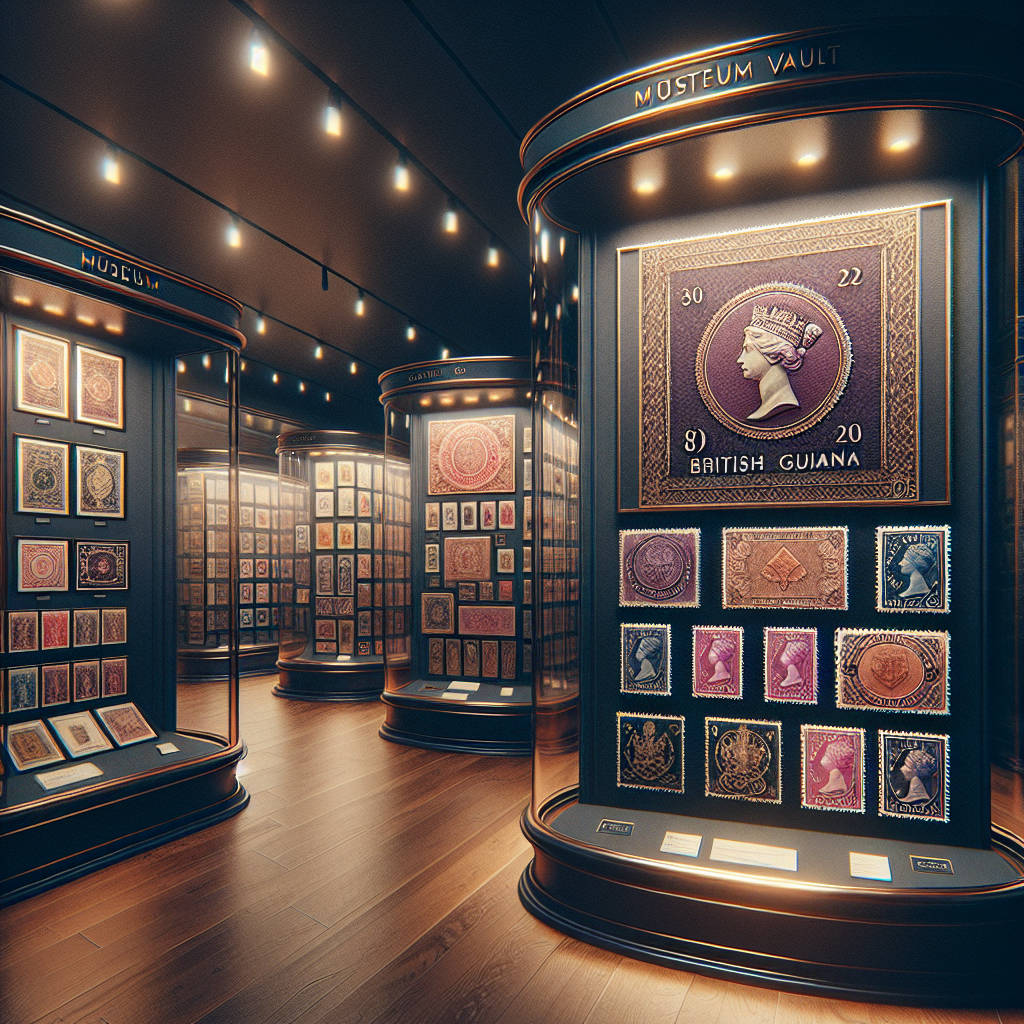
Some of the world’s rarest stamps have been preserved in museum-quality conditions for over a century. The British Guiana 1c Magenta, often cited as the world’s most valuable stamp, is housed in a secure, climate-controlled environment to protect its fragile paper and ink.
Notably, the Penny Black, the world’s first adhesive postage stamp issued in 1840, has been preserved in collections worldwide with meticulous care, demonstrating the importance of proper storage and display techniques to maintain historical artifacts.
Visual Summary — Article in Motion
Conclusion
Preserving and displaying your stamp collection like a pro requires attention to detail, quality materials, and thoughtful design. By protecting your stamps from environmental damage and showcasing them elegantly, you not only safeguard your investment but also enhance the enjoyment and appreciation of your collection.
Whether you choose to frame a select few prized pieces or create a comprehensive thematic display, employing these expert tips will ensure your stamps continue to inspire and delight for generations to come.