Watch the video
The Birth of the Pony Express: Revolutionizing Communication in the American West
In the mid-19th century, the American West was a vast and untamed frontier, where the challenges of communication were as formidable as the rugged terrain itself. Before the advent of the telegraph and transcontinental railroad, sending a message from the East Coast to the West Coast could take weeks or even months. Enter the Pony Express, a legendary mail service that operated from April 1860 to October 1861. Despite its brief existence, the Pony Express revolutionized mail delivery across the western United States and left an indelible mark on American history.
Founded by the Central Overland California and Pikes Peak Express Company, the Pony Express employed a relay system of young riders who would gallop across nearly 2,000 miles of challenging terrain, from St. Joseph, Missouri, to Sacramento, California. Their mission: to deliver letters and important documents faster than ever before. The service cut delivery time to about 10 days, a remarkable feat at a time when alternatives could take several weeks.
Historical Context and Challenges
The Pony Express emerged during a period of intense expansion and migration in America. The discovery of gold in California in 1848 had sparked a population boom, and the need for rapid communication between the coasts had never been greater. However, the route crossed hostile territories, including Native American lands and vast deserts, making the journey perilous.
Riders faced extreme weather, rough trails, and the constant threat of attack. Despite these dangers, the Pony Express became a symbol of courage and determination, embodying the pioneering spirit of the American West.
Iconic Pony Express Stamp Designs: Celebrating a Historic Mail Service
The Pony Express’s legendary status naturally found its way into American philately. Over the years, several iconic postage stamps have commemorated this daring mail delivery system, immortalizing it for collectors and history enthusiasts alike.
The 1869 Pictorial Issue: The First Pony Express Stamp
One of the earliest and most notable stamps depicting the Pony Express appeared in the 1869 Pictorial Issue, a series known for its innovative and detailed designs. These stamps were the first to move away from traditional portraits of presidents and instead featured scenes and symbols of American progress.
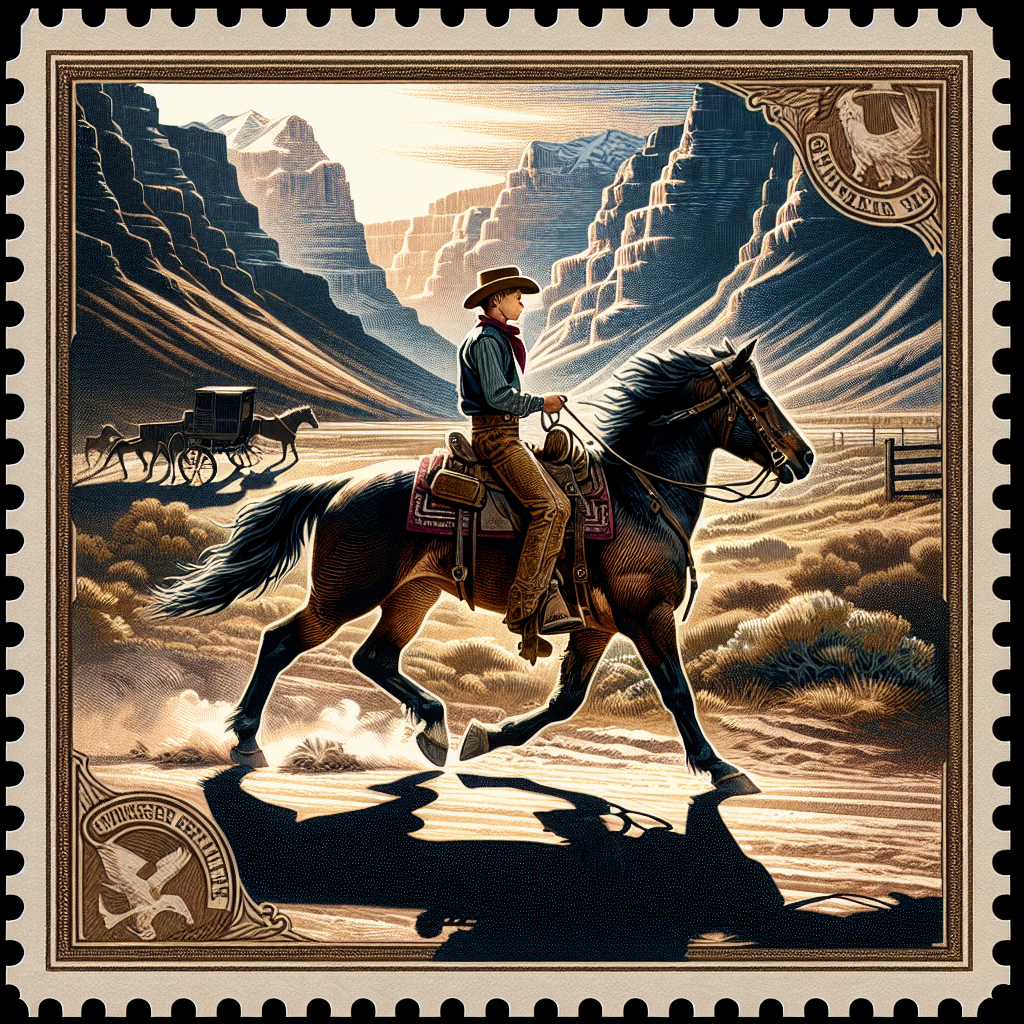
The 10-cent stamp in this series portrays a Pony Express rider galloping across the plains, delivering mail against a backdrop of western landscapes. This image captured the imagination of the public and helped cement the Pony Express’s place in American culture.
The 1940 Pony Express Centennial Issue
To mark the 100th anniversary of the Pony Express, the United States Post Office issued a commemorative stamp in 1940. This stamp features a dynamic image of a rider on horseback, highlighting the speed and bravery associated with the service.
Designed by noted artist H. Walter Barnett, the stamp also includes the historic route map, connecting the symbolism of the mail riders with the geography they traversed. This centennial issue remains a favorite among collectors for its artistic merit and historical significance.
Other Noteworthy Stamps
- 1957 Western Heritage Series: This series included a stamp honoring the Pony Express alongside other western legends, emphasizing the cultural impact of the mail service.
- 1970s Definitive Issues: Some definitive stamps featured smaller vignettes of Pony Express riders, subtly reminding users of the mail system’s roots.
- State and Local Issues: Various states along the original route have issued stamps and postal memorabilia celebrating the Pony Express, reflecting regional pride.
Collecting Pony Express Stamps: Tips and Insights for Enthusiasts
For philatelists interested in the Pony Express and related themes, collecting these stamps offers both historical depth and aesthetic appeal. Here are some tips to enhance your collection:
1. Understand the Historical Context
Knowing the history behind each stamp enriches the collecting experience. Research the dates, designers, and events commemorated by the stamps to appreciate their significance fully.
2. Focus on Condition and Authenticity
As with all collectible stamps, condition is paramount. Look for stamps with well-preserved gum (if unused), clear cancellations (if used), and no tears or creases. Authenticity can be verified through expert certification, especially for rare issues.
3. Explore Postal History and Covers
Beyond individual stamps, consider collecting covers (envelopes) that feature Pony Express stamps or routes. These items provide tangible links to postal history and are highly valued by collectors.
4. Connect with Philatelic Societies and Auctions
Joining organizations such as the American Philatelic Society or regional clubs focused on western or transportation themes can provide access to resources, networking, and auction opportunities.
The Enduring Legacy of the Pony Express in American Culture and Philately
Though the Pony Express operated for only 18 months before the completion of the transcontinental telegraph rendered it obsolete, its impact was profound. It symbolized the bridging of vast distances and the relentless pursuit of progress, themes that resonate deeply in American identity.
In philately, the Pony Express continues to inspire stamp designs that celebrate courage, innovation, and the spirit of adventure. Collectors treasure these stamps not only for their beauty but also for the stories they tell about a transformative era in American history.
Interesting Anecdote: The Youngest Rider
One of the most famous Pony Express riders was Robert Haslam, just 11 years old, who reportedly took over a dangerous leg of the route after the regular rider was injured. Stories like his contribute to the romanticism surrounding the Pony Express and highlight the extraordinary challenges faced by these young couriers.
How the Pony Express Influenced Modern Mail Services
The Pony Express set a precedent for rapid, reliable mail service across difficult terrains, influencing subsequent developments such as the establishment of rural free delivery and airmail services. Its legacy lives on in the commitment of postal services worldwide to connect people regardless of distance.
Visual Summary — Article in Motion
Conclusion
The Pony Express remains a captivating chapter in American history, illustrating how determination and innovation overcame formidable obstacles to connect a young nation. Through the lens of stamp collecting, enthusiasts can explore this rich heritage, appreciating the artistry and stories embedded in every commemorative issue. Whether you are a seasoned philatelist or a newcomer, the Pony Express offers a fascinating journey into the past and a tribute to the enduring quest for communication across the American West.