Watch the video
Introduction to Philately in Asia
Philately, the study and collection of postage stamps, opens a unique window into the cultural, political, and historical narratives of nations. Asia, with its vast and diverse civilizations, offers an especially rich tapestry for stamp collectors and historians alike. From the ancient dynasties of China to the colonial and post-colonial evolution of India, and the blend of tradition and modernity in Japan, Asian stamps tell captivating stories that go far beyond their postal utility.
In this article, we will explore the unique stamp histories of three major Asian countries: China, India, and Japan. We will delve into the fascinating designs that reflect each country’s rich heritage, significant historical events, and their journeys through modernization.
China: Stamps as Windows into Dynastic and Revolutionary History
Early Chinese Postal History and the Imperial Era
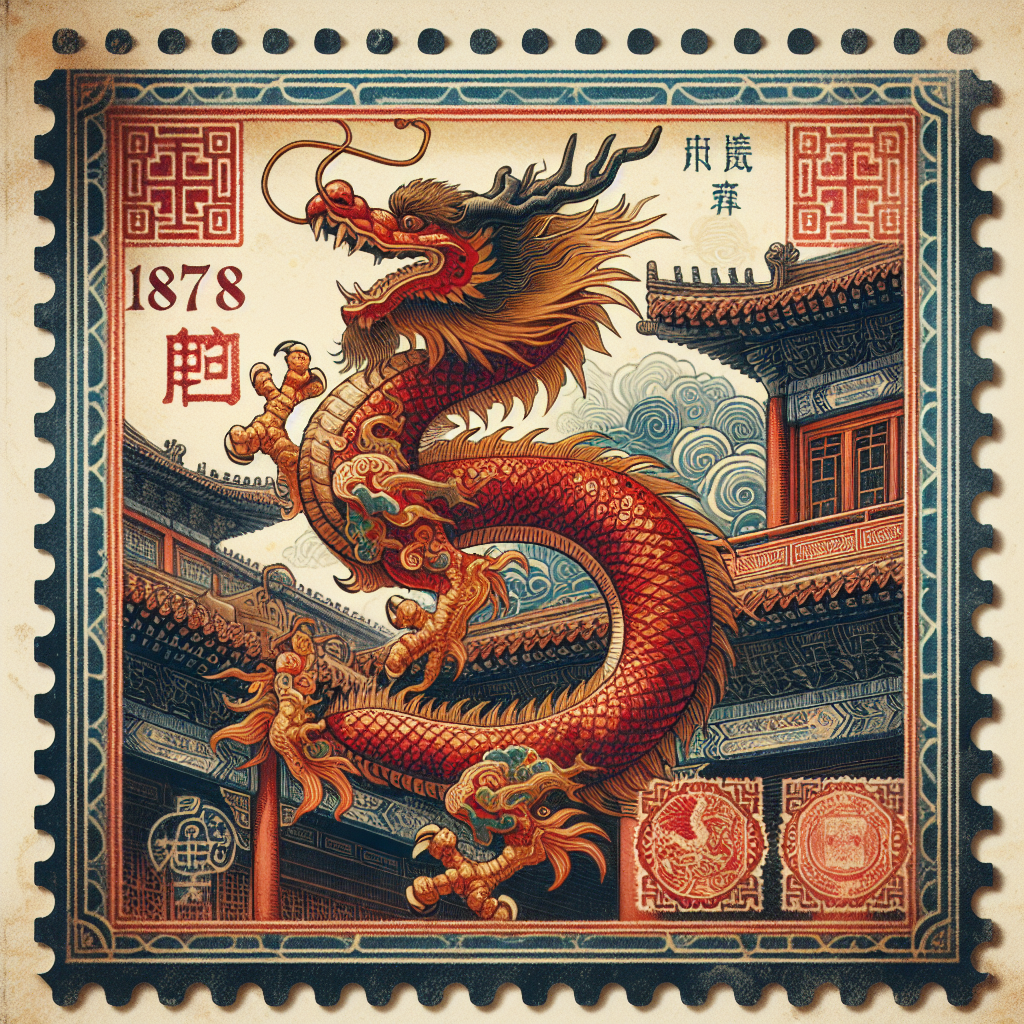
China’s postal history dates back to the Qing Dynasty, but its first official postage stamps were issued in 1878 during the late Qing period. These early stamps, known as the “Large Dragon” series, are among the most prized collectibles in Asian philately. Featuring dragon motifs symbolizing imperial power and protection, these stamps reflected the deep-rooted traditions of the Chinese empire.
Interestingly, the use of dragons also hints at the cultural mythology that permeated Chinese society. The dragon, unlike in Western cultures where it is often a fearsome creature, is revered in China as a symbol of strength, good fortune, and authority. Collectors often seek these stamps for both their artistic beauty and historical significance.
The Republican Era and Revolutionary Themes
The fall of the Qing Dynasty in 1912 led to the establishment of the Republic of China, and this political shift was mirrored in the country’s postage stamps. New stamp issues began to feature republican symbols, Sun Yat-sen’s portrait (the founding father of modern China), and imagery celebrating modernization and national unity.
One particularly notable issue from the 1930s depicted the Long March, a key event during the Chinese Civil War. These stamps not only served postal functions but also acted as propaganda tools, inspiring patriotism and documenting revolutionary achievements.
Modern China and Commemorative Issues
In contemporary times, the People’s Republic of China has issued an impressive array of stamps highlighting cultural heritage, technological progress, and international cooperation. The 2008 Beijing Olympics stamp series, for example, showcased traditional Chinese arts alongside modern sporting excellence, appealing to both domestic and international collectors.
Collectors interested in Chinese stamps should note the variety of printing techniques used over time, from woodblock and lithography to modern photogravure. Condition, rarity, and historical context greatly influence the value of Chinese philatelic items.
India: A Journey from Colonial Stamps to Independent Expressions
The British Raj and Early Indian Stamps
India’s philatelic journey began under British colonial rule, with the first adhesive postage stamps issued in 1854. These early stamps often featured portraits of British monarchs, such as Queen Victoria, reflecting India’s status as part of the British Empire.
One fascinating aspect is the use of regional languages and scripts on stamps, which showcased India’s linguistic diversity even during colonial times. For example, some early issues incorporated inscriptions in Hindi, Urdu, Bengali, and Tamil, providing a rich field for collectors interested in linguistic philately.
Post-Independence Stamp Issues and National Identity
After gaining independence in 1947, India rapidly began issuing stamps that celebrated its newfound sovereignty, cultural heritage, and social progress. The first commemorative stamp of independent India, issued in 1948, honored Mahatma Gandhi’s assassination, symbolizing the nation’s commitment to peace and non-violence.
Subsequent issues have highlighted India’s diverse festivals, architectural marvels like the Taj Mahal, and influential figures in science, arts, and politics. The vibrant colors and intricate designs reflect the country’s rich traditions and evolving identity.
Collector Tips: Navigating Indian Philately
- Focus on thematic collections: Indian stamps offer excellent opportunities for thematic collecting, such as Indian wildlife, festivals, or historical personalities.
- Beware of forgeries: Some rare issues, especially from the colonial period, have been forged. Authenticity can often be verified through expert appraisal or consultation with established philatelic societies.
- Preserve condition: Humidity and temperature can affect stamp quality in India’s climate, so proper storage in albums or framed displays is essential.
Japan: Harmonizing Tradition and Modernity through Stamps
Early Meiji Era Stamps and Western Influence
Japan’s modern postal system began in the Meiji era, with the first stamps issued in 1871. These early designs often incorporated Western printing techniques but retained uniquely Japanese motifs, such as the chrysanthemum crest of the imperial family.
The fusion of East and West is evident in these stamps, which symbolize Japan’s rapid modernization and openness to international trade while preserving its cultural identity.
Artistic Innovations and Commemorative Issues
Japan is renowned for its exquisite stamp designs, often inspired by traditional arts such as ukiyo-e woodblock prints, calligraphy, and nature scenes. The 1929 “Cherry Blossoms” series is a classic example, celebrated worldwide for its delicate aesthetic.
Moreover, Japan frequently issues stamps commemorating important cultural festivals, technological achievements (such as the Shinkansen bullet train), and international events it hosts. These issues appeal to both domestic collectors and the global philatelic community.
Collector Insights: Appreciating Japanese Philately
- Seek limited editions: Japan often releases limited-run stamps with special printing techniques like embossing or metallic inks, which can be valuable additions.
- Explore thematic collections: Popular themes include Japanese flora and fauna, traditional crafts, and historical figures.
- Preservation is key: Use archival-quality mounts and avoid exposure to sunlight to maintain color vibrancy and paper quality.
Comparative Perspectives: What Makes Asian Stamps Unique?
While China, India, and Japan each have distinct philatelic traditions, several common threads emerge that make Asian stamps particularly fascinating:
- Integration of deep cultural symbolism: Many Asian stamps incorporate traditional motifs, myths, and historical narratives that convey a strong sense of identity.
- Reflection of political change: Stamps often act as markers of regime changes, independence movements, and modernization efforts.
- Artistic excellence: The high level of craftsmanship, from intricate designs to advanced printing methods, makes these stamps prized by collectors worldwide.
For philatelists looking to expand their collections, focusing on Asian stamps offers a rich blend of history, art, and storytelling that few other regions can match.
Tips for Collecting Asian Stamps
- Research historical context: Understanding the events and cultural significance behind stamp issues enhances appreciation and helps identify valuable items.
- Join philatelic societies: Organizations focused on Asian philately can provide expert knowledge, access to rare issues, and authentication services.
- Use quality storage: Protect stamps from humidity, light, and handling damage by using archival albums and framed displays.
- Consider thematic collecting: Themes such as traditional festivals, wildlife, or technological progress can guide focused and meaningful collection development.
- Stay updated on new issues: Many Asian postal administrations release new commemoratives annually, which can be excellent opportunities for collectors to diversify their holdings.
Visual Summary — Article in Motion
Conclusion
Philately in Asia is a vibrant field that combines history, art, and cultural storytelling. The stamps of China, India, and Japan not only serve as functional postage but also as miniature canvases depicting centuries of tradition, revolutionary change, and modern achievements. Whether you are a seasoned collector or a newcomer, exploring Asian stamps offers an enriching journey through some of the world’s most fascinating cultures. By understanding their unique stories and preserving their beauty, collectors can keep these treasures alive for generations to come.