Watch the video
Introduction to the Suffragette Movement
The suffragette movement was a pivotal campaign that fought tirelessly for women’s right to vote. Beginning in the late 19th century and reaching a crescendo in the early 20th century, this movement reshaped political, social, and cultural landscapes across the globe. Philately, the study and collection of stamps, offers a unique window into this historic struggle, commemorating the bravery and determination of suffragettes through beautifully designed postage stamps.
The Historical Context of Women’s Suffrage
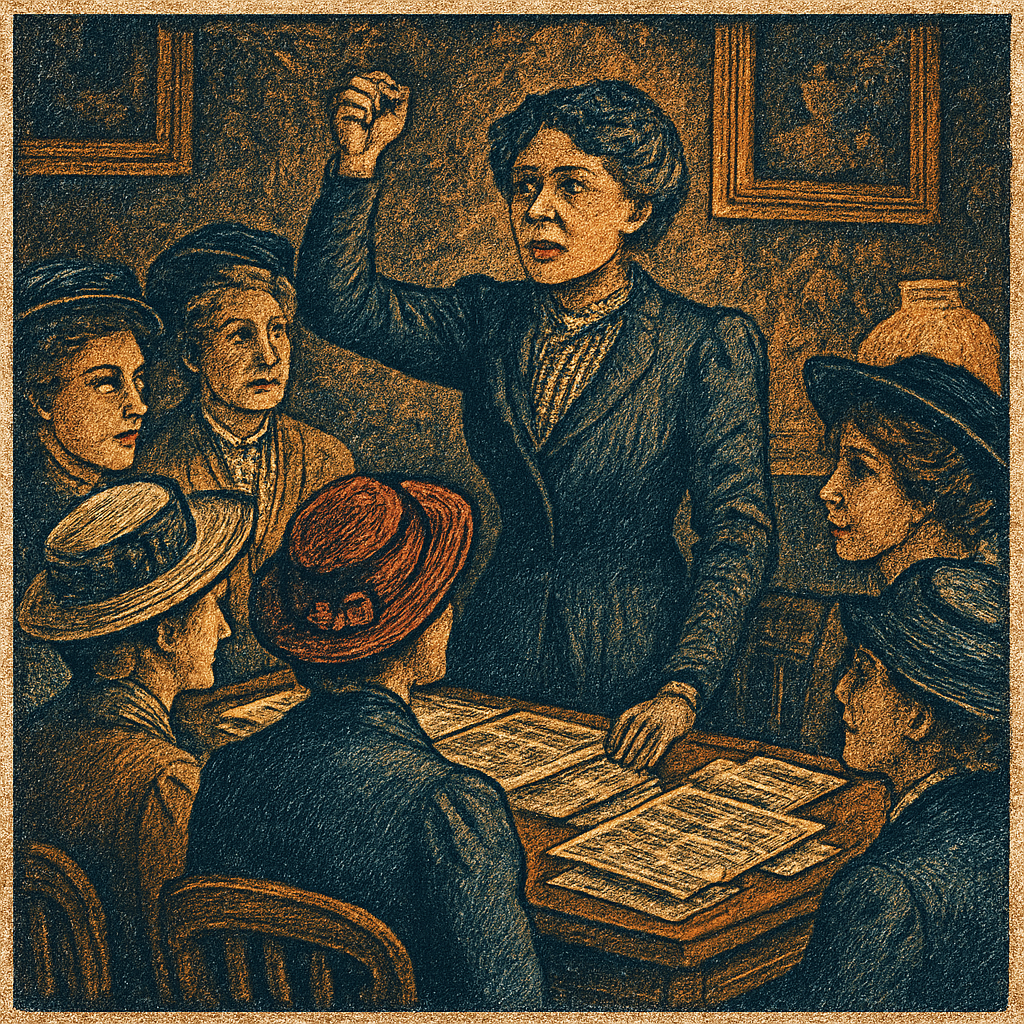
Women’s fight for enfranchisement emerged primarily as a response to centuries of political exclusion. In many countries, women were denied the right to vote, barring them from participating fully in democracy. The suffragette movement, characterized by organized protests, civil disobedience, and powerful advocacy, sought to overturn these restrictions.
Key milestones include the founding of the Women’s Social and Political Union (WSPU) in the United Kingdom in 1903 by Emmeline Pankhurst, which became synonymous with militant activism. Across the Atlantic, activists like Susan B. Anthony and Elizabeth Cady Stanton led the charge in the United States, culminating in the 19th Amendment to the U.S. Constitution in 1920.
Philatelic Commemorations of the Suffragette Movement
Postage stamps have long been used to celebrate significant historical events and figures, and the suffragette movement is no exception. Around the world, postal authorities have issued stamps that honor the courage and legacy of women who fought for voting rights, making these collectibles both educational and inspirational.
United Kingdom: Honoring Emmeline Pankhurst and the WSPU
The United Kingdom has issued several stamps celebrating the suffragette movement, with a particular focus on Emmeline Pankhurst and the WSPU. For instance, the 1998 Royal Mail Suffragette commemorative set features striking artwork depicting key moments such as the famous protests and hunger strikes undertaken by imprisoned suffragettes.
One interesting anecdote involves the “Votes for Women” slogan, which appeared on some early 20th-century stamps and postcards, symbolizing the grassroots nature of the campaign. Collectors prize these items for their historical significance and their connection to one of the most dramatic political movements in British history.
United States: Celebrating the 19th Amendment and Pioneering Activists
In the United States, the 1978 issuance of the Susan B. Anthony stamp marked a major philatelic tribute to the suffragette cause. This stamp not only honors Anthony’s tireless work but also serves as a reminder of the long struggle culminating in the passage of the 19th Amendment.
Additionally, the 2016 Women’s Suffrage Centennial commemorative series issued by USPS highlighted other influential figures, including Elizabeth Cady Stanton and Lucretia Mott. The designs incorporate symbolic imagery such as purple, white, and gold — colors historically associated with the movement — which enhances their appeal to collectors and historians alike.
Global Perspectives: Suffrage Movements Beyond the West
While much attention focuses on Western suffragettes, many countries worldwide have also issued stamps celebrating local women’s suffrage milestones. For example, New Zealand, the first self-governing nation to grant women the vote in 1893, released stamps commemorating this groundbreaking achievement, highlighting figures like Kate Sheppard.
Similarly, stamps from countries in Asia, Africa, and Latin America often reflect the unique struggles and victories of their suffrage movements, providing a rich tapestry of the global fight for gender equality.
Iconography and Symbolism in Suffragette Stamps
Suffragette stamps are notable for their powerful use of symbolism and imagery. Common elements include:
- The Suffragette Colors: Purple for dignity, white for purity, and green or gold for hope and loyalty.
- Iconic Portraits: Depictions of leaders such as Emmeline Pankhurst, Susan B. Anthony, and Sojourner Truth.
- Protest Imagery: Scenes of marches, rallies, and hunger strikes that convey the movement’s intensity.
- Slogans and Emblems: Phrases like “Votes for Women” and badges representing the WSPU or NAWSA (National American Woman Suffrage Association).
This rich iconography not only enhances the aesthetic appeal of the stamps but also educates viewers about the movement’s ideals and methods.
Collector Tips: Building a Suffragette Stamp Collection
For philatelists interested in assembling a collection dedicated to the suffragette movement, here are some practical tips:
- Start with Commemorative Issues: Focus on stamps specifically issued to honor suffragettes or significant anniversaries related to women’s suffrage.
- Explore First Day Covers (FDCs): These are envelopes franked and canceled on the first day of a stamp’s issue, often featuring thematic artwork and valuable postmarks.
- Research Historical Context: Understanding the background of each stamp enriches the collecting experience and helps identify rare or meaningful items.
- Join Philatelic Societies: Groups such as the American Philatelic Society or specialized women’s history stamp clubs offer resources, networking, and expert guidance.
- Preserve Condition: Ensure stamps are kept in acid-free mounts and albums, away from direct light and humidity to maintain their condition.
Collectors should also consider framed displays that highlight their suffragette stamps, combining aesthetic presentation with educational storytelling — an approach championed by premium sellers like Obelisk Stamps.
Interesting Anecdotes from Suffragette Philately
One fascinating story involves a 1912 British stamp design proposal featuring Emmeline Pankhurst, which was ultimately rejected due to controversy over the political nature of the subject. Such debates underscore how suffragette iconography was once considered radical, reflecting the movement’s disruptive impact.
Another anecdote relates to the use of stamps as a subtle form of protest. During the height of the suffragette campaign, some activists reportedly used postage stamps as a means to spread their message covertly, sending letters bearing pro-suffrage slogans and images to allies and sympathizers.
Visual Summary — Article in Motion
Conclusion
The philatelic tribute to the suffragette movement offers a compelling fusion of history, art, and activism. Stamps celebrating women’s fight for the vote serve not only as collectible artifacts but also as enduring symbols of courage and equality. By exploring these issues, collectors and enthusiasts can deepen their appreciation of the suffragette legacy and the ongoing journey toward gender equity worldwide.