Watch the video
Introduction to Cold War Germany and Its Postal History
The Berlin Wall, erected in 1961 and standing until 1989, was one of the most potent symbols of the Cold War. This physical and ideological barrier divided not only a city but also the world into two opposing camps. Beyond its geopolitical significance, the division found an unexpected medium of expression: postage stamps. Both East and West Germany utilized stamps as tools to communicate political ideologies, cultural values, and national pride during this tense period. This article explores how stamps issued during the Cold War reflected the divisions within Germany and offers insights for collectors fascinated by this unique intersection of history and philately.
The Historical Context of the Berlin Wall
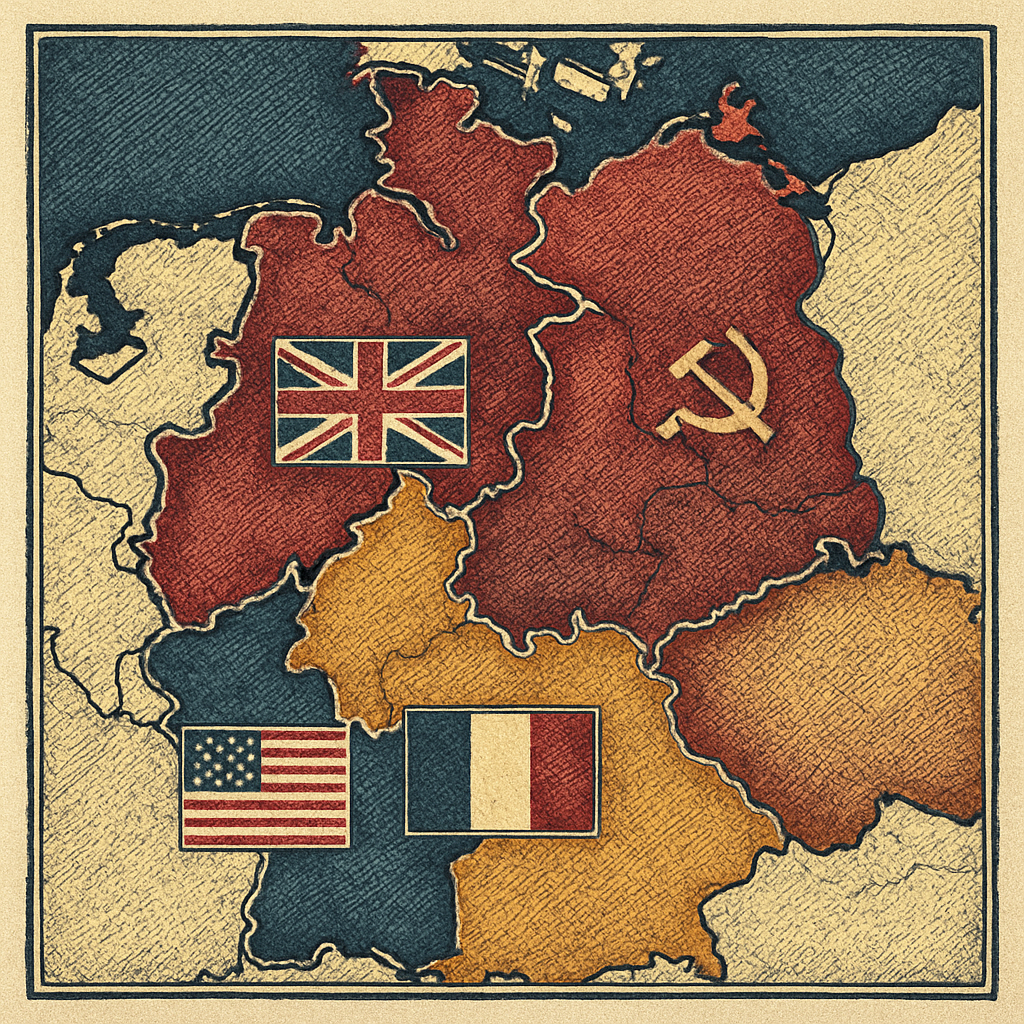
After World War II, Germany was divided into four occupation zones controlled by the Allied powers: the United States, the United Kingdom, France, and the Soviet Union. This division eventually resulted in the formation of two separate states in 1949: the Federal Republic of Germany (FRG or West Germany) and the German Democratic Republic (GDR or East Germany).
Berlin, although located deep within East Germany, was itself divided into East and West sectors. Increasing tensions between the Soviet-backed East and the Western Allies led to the construction of the Berlin Wall on August 13, 1961. The Wall physically separated families, friends, and communities and became the frontline of ideological conflict between communism and capitalism.
The Role of Postage Stamps in Cold War Germany
Postage stamps have always been more than mere tools for mailing letters; they serve as miniature canvases for national identity, culture, and politics. During the Cold War, both German states leveraged stamps as a form of political messaging to assert their ideologies and values.
- East Germany (GDR): The GDR used stamps to promote socialist ideals, commemorate workers’ achievements, honor Soviet allies, and celebrate technological advancements aligned with communist doctrine.
- West Germany (FRG): West German stamps often emphasized democratic values, European integration, cultural heritage, and political freedom.
Collectors interested in Cold War philately find these stamps compelling because they encapsulate the propaganda, pride, and protest of a deeply divided nation.
Iconic East German Stamp Issues Related to the Berlin Wall
East German stamps frequently referenced the Wall implicitly and explicitly, using imagery that reinforced the state’s narrative of protection against Western aggression.
1. The Berlin Wall Commemorative Stamps
In 1961, shortly after the Wall’s construction, the GDR issued stamps that symbolized the “anti-fascist protective barrier.” These stamps often depicted the Wall as a defensive measure against capitalist encroachment and Western espionage.
One notable issue featured the Wall with workers building it, highlighting the state’s claim that the barrier was a people’s project. This portrayal was designed to legitimize the Wall domestically and internationally by framing it as necessary and protective.
2. Socialist Realism and Worker Themes
Many GDR stamps from the Cold War era embraced socialist realism, depicting industrious workers, collective farms, and technological progress. While not directly about the Wall, these themes reinforced the ideological justification for East Germany’s existence and the need to separate from the West.
These stamps often bore slogans extolling peace, solidarity with other socialist states, and the triumph of communism.
West German Stamps: Symbols of Freedom and Resistance
West Germany’s stamp issues during the Cold War took a contrasting tone, emphasizing freedom, democracy, and cultural unity.
1. Celebrating Reunification and Hope
Though the Wall stood, West German stamps often expressed hope for reunification and the eventual collapse of communism. Some issues commemorated the post-war division itself, underscoring the desire for a unified Germany.
For instance, stamps in the 1970s and 1980s featured iconic German landmarks, cultural figures, and historical anniversaries that appealed to a shared heritage beyond the division.
2. Subtle Protest and Solidarity Themes
West German stamps occasionally included subtle messaging of solidarity with Berliners trapped behind the Wall. For example, commemorative issues highlighting freedom of movement and human rights served as quiet protests against East German policies.
Notable Philatelic Anecdotes and Historical Facts
- The “Check Point Charlie” Stamp: West Germany issued a stamp in 1963 commemorating Checkpoint Charlie, the famous crossing point between East and West Berlin. The stamp symbolized the Cold War standoff and the hope for peaceful passage across the divide.
- East German Overprints and Censorship: Some East German stamps were overprinted or censored to reflect changing political climates, especially during sensitive events such as the Berlin Crisis or the Prague Spring.
- Private Mail and Underground Post: During the Wall’s existence, some East Berliners used clandestine methods to send mail to the West, leading to rare and collectible postal artifacts that reveal personal stories of resistance and connection.
Collector Tips for Cold War German Stamps
For philatelists interested in this fascinating period, the following tips can enhance collecting experiences:
- Understand Historical Context: Knowing the political climate and events surrounding a stamp’s issue enhances appreciation and helps identify significant issues.
- Focus on Thematic Collections: Consider assembling collections centered on themes like the Berlin Wall, German reunification, or Cold War propaganda to create a compelling narrative.
- Beware of Forgeries: Due to the historical importance, some stamps have been forged or altered. Consult expert catalogs and dealers for authentication.
- Look for Postal History Items: Covers, postcards, and mail sent across the divided city provide rich context beyond the stamps themselves.
- Preserve Condition: Cold War stamps, especially those in mint condition or with rare cancellations, hold greater value. Use proper storage and framing solutions to maintain quality.
The Cultural Significance of Postage During the Cold War
Postage stamps served as a mirror reflecting the hopes, fears, and ideologies of a divided Germany. They were small yet powerful tools that communicated complex messages to citizens and the international community.
In East Germany, stamps reinforced the legitimacy of the socialist state and the necessity of the Berlin Wall. In the West, stamps became symbols of freedom and unity, often carrying subtle messages of solidarity with the oppressed East.
Today, these stamps are not only collectible artifacts but also educational tools that help us understand the human dimension of Cold War politics.
Visual Summary — Article in Motion
Conclusion
The stamps issued by East and West Germany during the Cold War offer a unique lens through which to view the ideological battle that defined an era. From grand political statements to subtle expressions of hope and defiance, these miniature works of art and propaganda tell the story of a divided city and the people who lived within its shadow. For collectors and historians alike, the Berlin Wall’s presence in philately enriches our appreciation of how postage can transcend its functional role to become a medium of storytelling and resistance.