Watch the video
Introduction to Espionage in Postal History
Throughout history, communication has been a vital tool not only for personal and commercial exchange but also for intelligence and espionage. Long before the digital age, spies and secret agents relied on ingenious methods to send covert messages. Among these methods, the use of invisible ink, coded language, and cleverly disguised information sent through the mail stand out as fascinating aspects of postal history. Interestingly, postage stamps and letters played an unexpected yet crucial role in the world of espionage.
The Origins of Invisible Ink and Its Use in Postal Espionage
Invisible ink, also known as sympathetic ink, has a history dating back to ancient times. Civilizations such as the Romans and Greeks experimented with various substances that could be used to write messages that became invisible once dried. However, it was during the Renaissance and into the 18th and 19th centuries that invisible ink began to be systematically employed in espionage and secret communications.
Historical Facts About Invisible Ink
- Ancient Applications: The Romans reportedly used milk as an invisible ink to convey secret orders.
- American Revolutionary War: Spies used lemon juice and other organic fluids that would darken when heated.
- World War I and II: More sophisticated chemical compounds were developed, including substances that fluoresced under ultraviolet light or became visible with special reagents.
Invisible ink was especially useful in wartime, allowing spies to send seemingly innocent letters or postcards that contained hidden intelligence. These messages required a keen eye and the right chemical or heating process to reveal their contents.
How Stamps Played a Role in Secret Communications
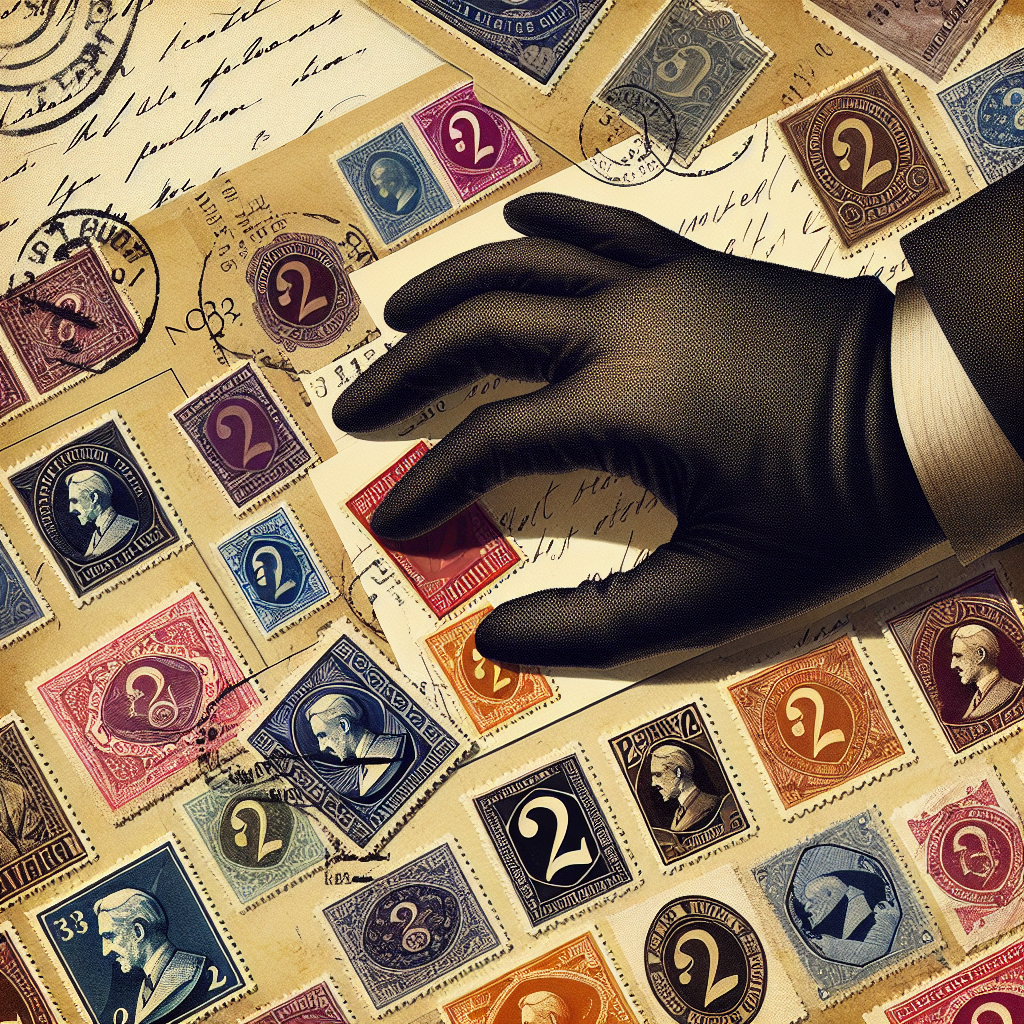
Stamps, beyond their primary function of postage payment, have served as subtle tools in espionage. Their design, placement, or cancellation marks could convey hidden information. Espionage agents sometimes used stamps to disguise secret codes or to signal messages to counterparts.
Stamps as Code Carriers
One of the most intriguing methods involved manipulating the placement or selection of stamps to encode messages. For example, a particular series of stamps with different values or colors could represent letters or numbers in a predetermined cipher.
- Example: A spy might send multiple letters where the sequence of stamp denominations corresponded to numeric codes.
- Color Codes: The color of the stamp or ink cancellations could indicate urgency or specific instructions.
Microprinting and Hidden Symbols in Stamp Design
Some stamps were designed with microprinting or tiny symbols that went unnoticed by the general public but held significance for intelligence agencies. During World War II, for instance, certain Allied stamps contained hidden imagery or codes intended for resistance fighters.
Coded Messages and Ciphers in Postal Correspondence
Beyond invisible ink, spies often embedded codes and ciphers within their letters. These ranged from simple substitution ciphers to complex polyalphabetic codes. The postal system provided a reliable and discreet channel for transmitting these messages across borders.
Types of Postal Ciphers
- Substitution Ciphers: Each letter replaced by another letter or symbol.
- Transposition Ciphers: Letters rearranged according to a pattern.
- Book Ciphers: Using a shared text (such as a book) to encode messages.
- Null Ciphers: Hidden messages embedded within innocuous text, such as taking every third word or letter.
These ciphers often relied on a shared key known only to the sender and recipient. When combined with invisible ink or stamp codes, the messages became even more secure against interception.
Famous Espionage Cases Involving Postal History
Several historical espionage cases highlight the fascinating intersection of postal communication and spycraft.
The Culper Spy Ring in the American Revolution
The Culper Ring was a network of American spies who used coded letters and invisible ink to convey intelligence about British troop movements. They famously used lemon juice to write invisible messages on ordinary letters, which were then delivered through the postal system. Their careful use of postal routes helped the American cause significantly.
The World War II SOE and Resistance Communications
The Special Operations Executive (SOE) in Britain trained resistance fighters to use secret communications, including invisible ink and coded letters sent through the mail. Stamps sometimes included hidden symbols recognizable to operatives. Letters appeared normal but contained critical information for sabotage and intelligence gathering.
The Cold War and Microdots
During the Cold War, espionage became more technologically advanced. Microdots—tiny photographs of documents reduced to the size of a period—were often hidden within letters or pasted under stamps. These microdots could be transported discreetly through postal services, making detection difficult.
Collector Tips: Identifying Espionage-Related Postal Items
For philatelists and collectors interested in espionage-related postal history, certain tips can help identify these rare and historically significant items.
Examining Stamps and Covers
- Look for Unusual Features: Check stamps for microprinting, unusual cancellations, or odd placements.
- Inspect Letters Carefully: Use UV light or gentle heating to detect invisible ink.
- Research Provenance: Letters linked to known espionage cases or resistance movements carry higher historical value.
Preserving and Displaying Espionage Postal Items
Due to their age and delicate nature, espionage-related postal materials require careful preservation. Using acid-free mounts and UV-protective glass in framed displays helps prevent deterioration. Displaying these items with informative descriptions can highlight their intriguing stories and historical significance.
The Legacy of Espionage in Philately
Espionage tales embedded in postal history enrich the cultural and historical value of stamps and letters. They remind us that these small pieces of paper were once crucial tools in secret wars and intelligence battles. Collectors who specialize in this niche gain not just unique items but also a window into the shadowy world of spies and coded communication.
Modern Reflections
While digital encryption has replaced many traditional methods, the ingenuity of past espionage techniques continues to inspire collectors and historians. Exhibitions on spycraft and philately often feature these fascinating artifacts, showcasing the blend of art, science, and secrecy in postal history.
Visual Summary — Article in Motion
Conclusion
The interplay between stamps, letters, and espionage highlights a remarkable chapter in communication history. Invisible ink, coded messages, and subtle stamp codes transformed everyday mail into secret tools of intelligence. For collectors and enthusiasts, these stories offer a compelling glimpse into the covert operations that shaped world events. Exploring this niche of philately not only preserves history but also celebrates the creativity and bravery of those who communicated under the veil of secrecy.