Watch the video
Introduction: The French Revolution and Its Enduring Legacy
The French Revolution, spanning from 1789 to 1799, was a period of profound social and political upheaval that reshaped France and influenced the world. Its ideals of liberty, equality, and fraternity became foundational principles not only for France but also for many modern democracies. Over the centuries, these revolutionary symbols and events have been commemorated in various forms, including the medium of postage stamps. As miniature canvases circulating worldwide, stamps offer a unique lens through which to explore the lasting impact of the French Revolution on national identity and collective memory.
The Birth of French Postal Services and Revolutionary Change
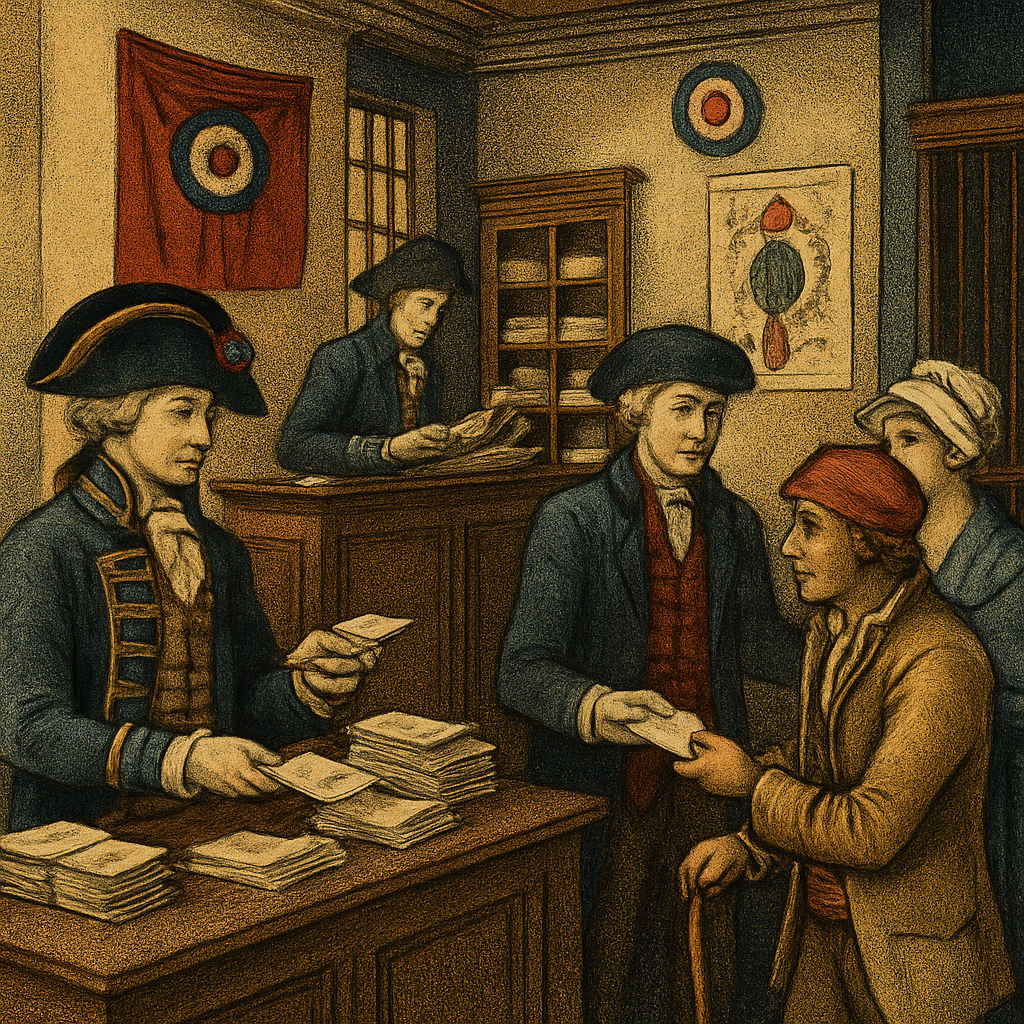
Before delving into the stamps themselves, it is essential to understand how the French postal system evolved during and after the Revolution. The ancien régime’s postal services were largely aristocratic and state-controlled. However, the revolutionary period brought reforms that democratized communication, reflecting the new values of accessibility and equality.
In 1792, the revolutionary government implemented postal reforms aimed at simplifying and standardizing mail delivery, making it more affordable for the general public. This was a tangible expression of the Revolution’s goal to dismantle elitist structures and promote citizen engagement.
The Introduction of Revolutionary Iconography
Revolutionary symbolism was rampant in public life, and the postal system was no exception. Early revolutionary emblems like the Phrygian cap, the tricolor cockade, and Marianne—the personification of the Republic—began appearing in various forms, including postal markings and later on stamps.
Revolutionary Symbols on French Stamps: An Overview
French stamps have long been a medium for celebrating history, culture, and national pride. The French Revolution, given its monumental role in shaping the nation, has been a recurrent theme. Let’s explore some of the most iconic revolutionary symbols depicted on French postage stamps and their significance.
Marianne: The Emblem of the Republic
Marianne is arguably the most enduring symbol of the French Republic and a frequent feature on French stamps since the early 20th century. She embodies liberty and reason, often depicted wearing a Phrygian cap, which itself is a potent revolutionary icon symbolizing freedom and the pursuit of justice.
Various artistic interpretations of Marianne have appeared on stamps, reflecting changing political climates and artistic trends. For example, the 1944 “Liberty” series by artist Lucien-Jean-Baptiste Chevalier presented Marianne as a strong, hopeful figure emerging from the turmoil of World War II, linking the Revolution’s ideals with contemporary struggles for freedom.
The Tricolor Cockade and Flag
The tricolor cockade—blue, white, and red—originated during the Revolution as a badge of revolutionary allegiance. It quickly became a national emblem, symbolizing unity between the monarchy (white) and the people of Paris (blue and red). French stamps have commemorated this symbol extensively, often alongside images of revolutionary leaders or significant events.
The Phrygian Cap: A Symbol of Liberty
The Phrygian cap, also known as the liberty cap, was adopted by revolutionaries as a symbol of freedom and the overthrow of tyranny. This red conical cap traces back to Roman times as a symbol of freed slaves and was embraced during the French Revolution as a powerful visual shorthand for emancipation.
Stamps featuring the Phrygian cap often underscore themes of liberation and resistance. It appears both independently and as part of Marianne’s attire, reinforcing its centrality to revolutionary iconography.
Key Events Commemorated on Stamps
Beyond symbols, French stamps have also illustrated pivotal events of the Revolution, providing historical narratives in miniature form. These include:
- The Storming of the Bastille (1789): Often hailed as the Revolution’s flashpoint, this event is depicted on several stamps, capturing the dramatic moment when citizens seized the fortress-prison, symbolizing the end of royal despotism.
- The Declaration of the Rights of Man and of the Citizen (1789): This foundational document has been commemorated on stamps emphasizing the Revolution’s commitment to universal human rights.
- The Festival of the Federation (1790): Celebrated the first anniversary of the Bastille’s fall and national unity; some stamps depict this event’s festive imagery.
- The Reign of Terror and the Guillotine: While more somber, some philatelic issues have referenced this darker chapter, often as cautionary historical reflections.
Historical Anecdotes: Revolutionary Figures on Stamps
Many revolutionary leaders and intellectuals have been immortalized on stamps, serving both educational and commemorative functions.
Maximilien Robespierre
Known as the “Incorruptible,” Robespierre was a key architect of the Revolution’s radical phase. Despite his controversial legacy, he has appeared on French stamps, often provoking debate among collectors and historians alike. These issues typically emphasize his role in advocating for the rights of the common man.
Georges Danton
Danton, another revolutionary leader, is also commemorated for his fiery oratory and leadership during the early years of the Revolution. Stamps featuring Danton highlight his contributions to overthrowing the monarchy and establishing the Republic.
Olympe de Gouges
As a pioneering feminist and revolutionary, Olympe de Gouges authored the “Declaration of the Rights of Woman and of the Female Citizen.” Although historically marginalized, modern French stamps have begun to recognize her importance, reflecting evolving attitudes toward inclusivity and gender equality in French history.
Collector Tips: Acquiring and Preserving Revolutionary French Stamps
For philatelists interested in the French Revolution’s postal legacy, collecting stamps featuring revolutionary symbols and figures can be both rewarding and educational. Here are some tips to enhance your collection:
- Research Historical Context: Understanding the background of each stamp enriches your appreciation. Look for stamps issued on significant anniversaries or tied to key historical events.
- Focus on Thematic Collections: Consider specializing in Marianne issues, revolutionary symbols like the Phrygian cap, or stamps commemorating specific events such as Bastille Day.
- Seek Limited Editions and Souvenir Sheets: Official commemorative issues often come in limited runs, adding value and uniqueness to your collection.
- Preserve Properly: Use acid-free albums and protective sleeves to maintain the condition of your stamps. Avoid exposure to sunlight and moisture.
- Verify Authenticity: Beware of forgeries, especially for high-value stamps. Consult expert catalogs or professional appraisers when necessary.
The French Revolution’s Postal Legacy in Modern Times
Today, the French Revolution remains a powerful cultural touchstone, and its symbols continue to appear on stamps not only in France but worldwide. Modern issues often blend historical imagery with contemporary artistic styles, bridging past and present.
For instance, recent commemorative stamps have marked the Revolution’s bicentennial milestones, using innovative printing techniques and vibrant designs to capture public imagination and educate new generations about the Revolution’s ideals.
International Influence
The French Revolution’s symbolism transcends national boundaries, inspiring stamps from other countries that celebrate revolutionary themes or French cultural heritage. This global philatelic interest underscores the universal appeal of liberty and justice.
Visual Summary — Article in Motion
Conclusion
The French Revolution’s postal legacy is a fascinating intersection of history, art, and national identity. Through stamps, the ideals of liberty, equality, and fraternity continue to circulate, reminding us of the Revolution’s enduring significance. Whether you are a seasoned collector or a history enthusiast, exploring revolutionary symbolism on French stamps offers a compelling journey into the past and its ongoing influence on present-day France.