Watch the video
Introduction to Airmail Stamps
Airmail stamps hold a special place in philatelic history, representing the adventurous spirit of early aviation and the rapid expansion of global communication networks. These unique postage stamps were introduced to cover the cost of sending mail by air, a faster alternative to traditional surface mail. From their inception in the early 20th century to their role in modern postal services, airmail stamps have evolved both in design and significance.
The Origins of Airmail and Its Stamps
The Dawn of Airmail Services
The concept of airmail emerged shortly after the Wright brothers’ first powered flight in 1903. As aviation technology progressed, governments and postal services began experimenting with transporting mail by airplane. The first official airmail service is generally credited to the United States, which launched a scheduled airmail route between Washington, D.C., and New York City in 1918.
These pioneering flights were often perilous, but they demonstrated the feasibility of faster mail delivery. Initially, standard postage stamps were used for airmail letters, but as the service grew, specialized airmail stamps were introduced to identify and pay for this premium service.
First Airmail Stamps Around the World
The earliest airmail stamps were issued in the 1910s and 1920s by countries eager to promote their burgeoning airmail services. The United States issued its first airmail stamp in 1918, featuring a Curtiss JN-4 “Jenny” biplane, which became one of the most iconic images in philately. Meanwhile, countries like Germany, France, and Italy followed suit, releasing their own airmail stamps to support expanding air routes.
These stamps were often vividly designed to emphasize speed, technology, and the promise of modern communication. They helped raise public awareness and enthusiasm for airmail services during a time when air travel was still considered novel and exciting.
Design Evolution of Airmail Stamps
Early Motifs and Symbolism
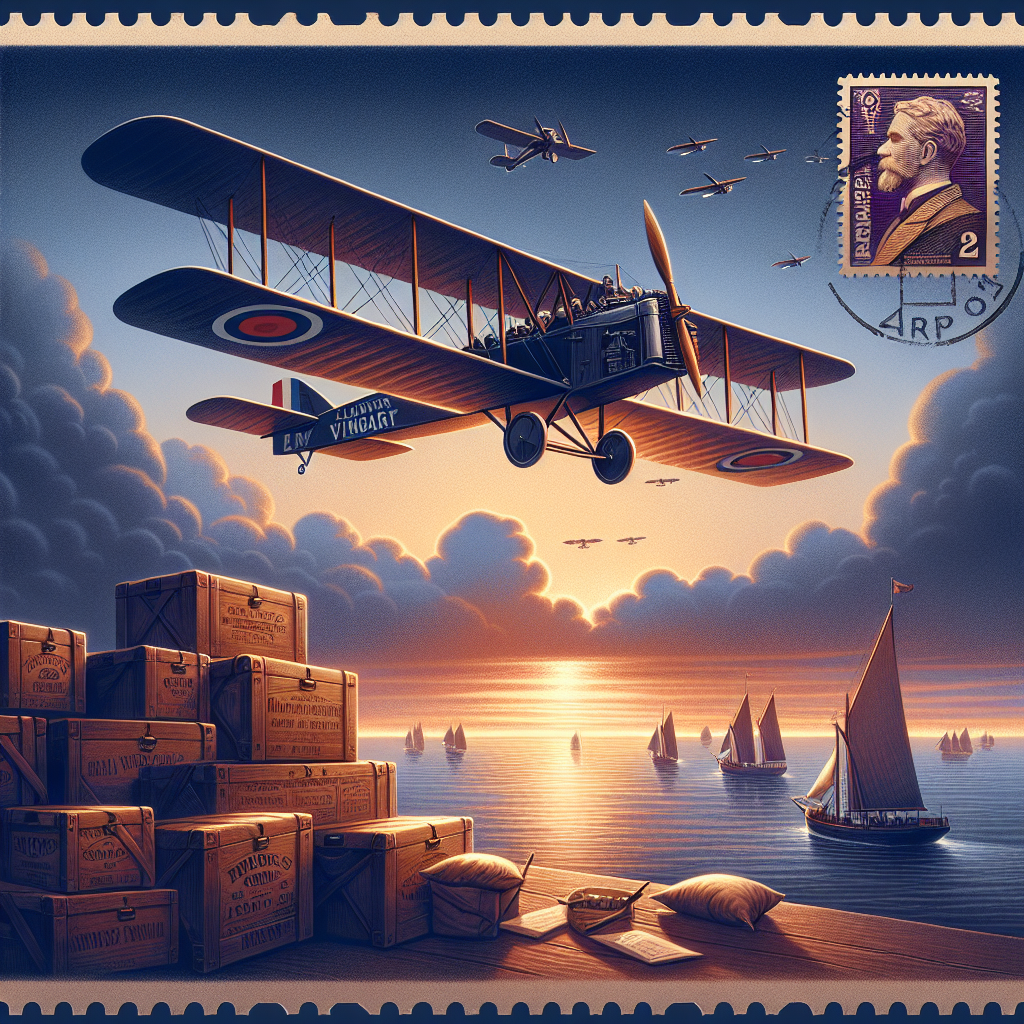
Early airmail stamps typically showcased airplanes in flight, often with dramatic clouds or sunbursts to convey motion and progress. For example, the 1918 US “Jenny” stamp depicts the biplane soaring above a stylized map, symbolizing the mail’s journey through the skies.
Other common motifs included winged globes, eagles, and heraldic symbols representing speed and reliability. These designs were not only artistic but also served to distinguish airmail from other postal services, making it easier for postal workers and customers to recognize the special handling required.
Technological Advances Reflected in Stamp Designs
As aviation technology advanced from biplanes to monoplanes and eventually to jets, airmail stamp designs evolved accordingly. During the 1930s and 1940s, many stamps began to feature modern aircraft models, such as the Douglas DC-3 and Lockheed Constellation, highlighting progress and national achievements in aviation.
By the mid-20th century, airmail stamps often commemorated milestones such as the first transatlantic flights, the opening of new international routes, and the achievements of famous aviators. These stamps became collectible items for enthusiasts fascinated by both aviation and postal history.
Airmail Stamps and Their Role in Accelerating Global Communication
The Impact of Airmail on International Mail Delivery
Before the widespread use of airplanes, international mail could take weeks or even months to reach its destination by ship or overland routes. Airmail dramatically shortened delivery times, fostering faster personal and commercial communication across continents.
The introduction of specialized airmail stamps was critical in funding and regulating these services. By requiring separate payment for air transport, postal authorities could offset the higher costs associated with aviation and maintain sustainable operations. This system was vital in expanding global postal networks and integrating remote regions into the world economy.
Famous Airmail Flights and Their Postal Significance
Several historic airmail flights have become legendary in philately. For example, the 1919 transatlantic flight by Alcock and Brown, who flew non-stop from Newfoundland to Ireland, carried mail that was canceled upon arrival and is now highly prized by collectors.
Similarly, the 1933 Graf Zeppelin flights linking Germany with South America and the United States featured specially issued Zeppelin airmail stamps. These flights demonstrated the potential for regular intercontinental airmail service and inspired other nations to develop their own long-distance air routes.
Collector Tips: Building and Preserving Airmail Stamp Collections
Identifying Valuable Airmail Stamps
Collectors interested in airmail stamps should pay attention to several key factors:
- Historical context: Stamps from pioneering flights or inaugural services often have higher value.
- Condition: Mint condition stamps with intact gum and no damage are more desirable.
- Rarity: Limited print runs, errors, or unusual cancellations can increase a stamp’s worth.
- Geographical significance: Stamps from countries with a rich aviation history or unique designs may attract collectors.
Preservation and Display Techniques
Proper storage is essential to preserve the integrity and value of airmail stamps. Collectors should use acid-free albums or stock books and avoid exposure to direct sunlight, moisture, and extreme temperatures. Framing airmail stamps, especially those with historical importance or artistic merit, can both protect and showcase these treasures.
At Obelisk Stamps, we specialize in handcrafted framed stamp displays that highlight the beauty and history of airmail stamps, providing collectors with elegant and secure ways to enjoy their collections.
The Future of Airmail Stamps in the Digital Age
With the rise of electronic communication, the volume of traditional mail has declined, and airmail stamps have become less common in everyday use. However, they remain popular among collectors and postal authorities often issue commemorative airmail stamps celebrating aviation milestones.
Moreover, the legacy of airmail stamps continues to influence modern postal services, reminding us of the transformative power of flight in connecting the world. Digital philately and virtual exhibitions now offer new ways to explore and appreciate the history of airmail stamps.
Visual Summary — Article in Motion
Conclusion
Airmail stamps are more than just postage; they are enduring symbols of human innovation, the triumph of aviation, and the relentless pursuit of faster communication. From the daring early flights of the 1910s to the sophisticated global networks of today, these stamps encapsulate a fascinating journey through history. For collectors and enthusiasts alike, airmail stamps offer a window into the past and a tribute to the skies that brought the world closer together.