Watch the video
The Evolution of Stamp Design: From Flat to Three-Dimensional
Postage stamps have long been miniature works of art, reflecting cultural heritage, historical events, and artistic innovation. Traditionally, stamps have been printed on flat surfaces, relying on colors, engravings, and perforations to entice collectors and postal users alike. However, the emergence of 3D stamps marks a groundbreaking shift in philatelic design, introducing tangible depth and interaction to this beloved collectible.
Historical Context of Stamp Design Innovation
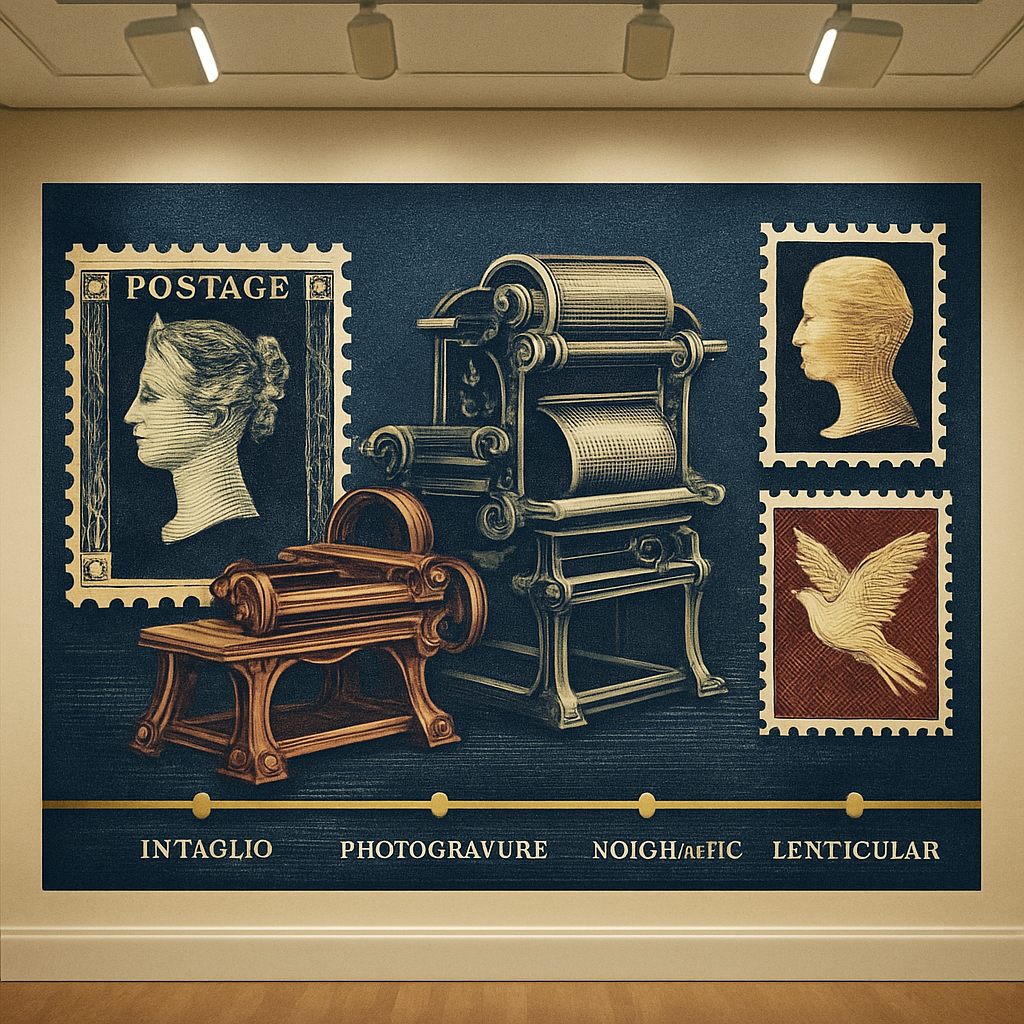
Since the introduction of the Penny Black in 1840, stamp production has evolved through various technological advancements—from intaglio printing and photogravure to holographic and lenticular effects. Each leap brought new dimensions to the artistry and security of stamps. The integration of three-dimensional elements is the latest chapter, enabled by advances in printing and materials science.
What Are 3D Stamps?
3D stamps are postage stamps designed with physical depth or optical illusions that give the impression of three dimensions. Unlike traditional flat stamps, 3D stamps incorporate raised surfaces, lenticular lenses, or layered components to create a tactile or visual experience that literally pops off the page.
Types of 3D Stamp Technologies
- Embossed Stamps: These stamps feature raised images or text, achieved through embossing techniques that give texture and relief.
- Lenticular Stamps: Utilizing lenticular lenses, these stamps shift their image or create an illusion of depth when viewed from different angles.
- Holographic and Lenticular Combinations: Some stamps combine 3D holography with lenticular prints to enhance the perception of movement and dimensionality.
- Layered or Multi-Ply Stamps: Crafted using multiple layers of material, sometimes including transparent elements, to build a physical depth.
Notable Examples of Pioneering 3D Stamps
Canada’s 3D Dinosaur Series (1997)
One of the earliest adopters of 3D stamp technology, Canada Post introduced a series featuring dinosaurs where the stamps incorporated lenticular images that showed different dinosaur poses from various angles. This innovative approach captivated collectors worldwide and demonstrated the potential of 3D printing in philately.
Australia’s 3D “Foster’s Lager” Stamp (2006)
Australia Post released a beer-themed 3D stamp that used embossing to create the raised appearance of a beer glass filled with frothy lager. Collectors appreciated the tactile element, which brought the image to life beyond traditional print.
United States “Legends of Hollywood” Lenticular Series (2011)
The USPS introduced a lenticular series paying tribute to Hollywood icons with stamps that appeared to animate or shift expressions when tilted. These stamps combined nostalgia with cutting-edge technology, appealing to both movie buffs and stamp enthusiasts.
The Technology Behind 3D Stamps
Creating a 3D stamp requires sophisticated printing and manufacturing processes that blend artistry with precision engineering.
Advanced Printing Techniques
Modern 3D stamps often employ high-resolution lenticular printing, which involves layering images beneath a lenticular lens to produce motion or depth effects. Embossing presses are used to raise specific areas of the stamp, while holographic films can be laminated onto the surface to add reflective dimensionality.
Material Innovations
Beyond paper, some 3D stamps incorporate polymer substrates or transparent films that allow for layering and enhanced durability. These materials help maintain the stamp’s structural integrity despite the added dimensional features.
Why 3D Stamps Matter to Collectors
3D stamps represent a fusion of tradition and modernity, appealing to collectors for several reasons:
- Visual and Tactile Appeal: The added depth offers a unique sensory experience, making stamps stand out in collections.
- Rarity and Novelty: Many 3D stamps are issued as limited editions, increasing their desirability and potential value.
- Technological Showcase: Collectors interested in printing innovations view 3D stamps as milestones in philatelic technology.
- Interactive Engagement: Lenticular or holographic effects invite collectors to interact with the stamp by tilting or moving it, creating a dynamic experience.
Tips for Collecting 3D Stamps
- Preserve the Dimensional Integrity: Store 3D stamps flat and avoid stacking heavy items on top to prevent crushing the raised features.
- Use Protective Sleeves: Plastic mounts or sleeves designed for 3D and embossed collectibles protect against dust and moisture.
- Research Limited Editions: Many 3D stamps are part of limited runs; verify issuance numbers to assess rarity.
- Keep Original Packaging: Original presentation packs or display cases enhance value and protect the stamps.
- Stay Informed: Follow postal authorities and philatelic news sources for announcements of upcoming 3D issues.
Future Trends in 3D Philatelic Design
The success of 3D stamps has inspired postal services worldwide to explore even more immersive techniques. Emerging trends include:
- Augmented Reality (AR) Integration: Some stamps now link to AR experiences that can be accessed via smartphones, combining physical 3D effects with digital interactivity.
- 3D Printing Technology: Advances in 3D printing may allow for fully sculpted stamp designs, pushing the boundaries of what a stamp can be.
- Smart Materials: Incorporation of thermochromic or light-reactive materials that change appearance with environmental conditions.
These innovations promise to keep philately exciting and relevant in the digital age, offering collectors both aesthetic pleasure and technological fascination.
Visual Summary — Article in Motion
Conclusion
3D stamps represent an exhilarating new frontier in philatelic design, merging artistry with advanced printing technologies to create postage that is as interactive as it is beautiful. From embossed textures to lenticular illusions, these stamps captivate collectors and casual admirers alike. As technology progresses, the potential for even more innovative 3D stamp creations grows, ensuring that the world of stamp collecting remains dynamic and engaging for generations to come.