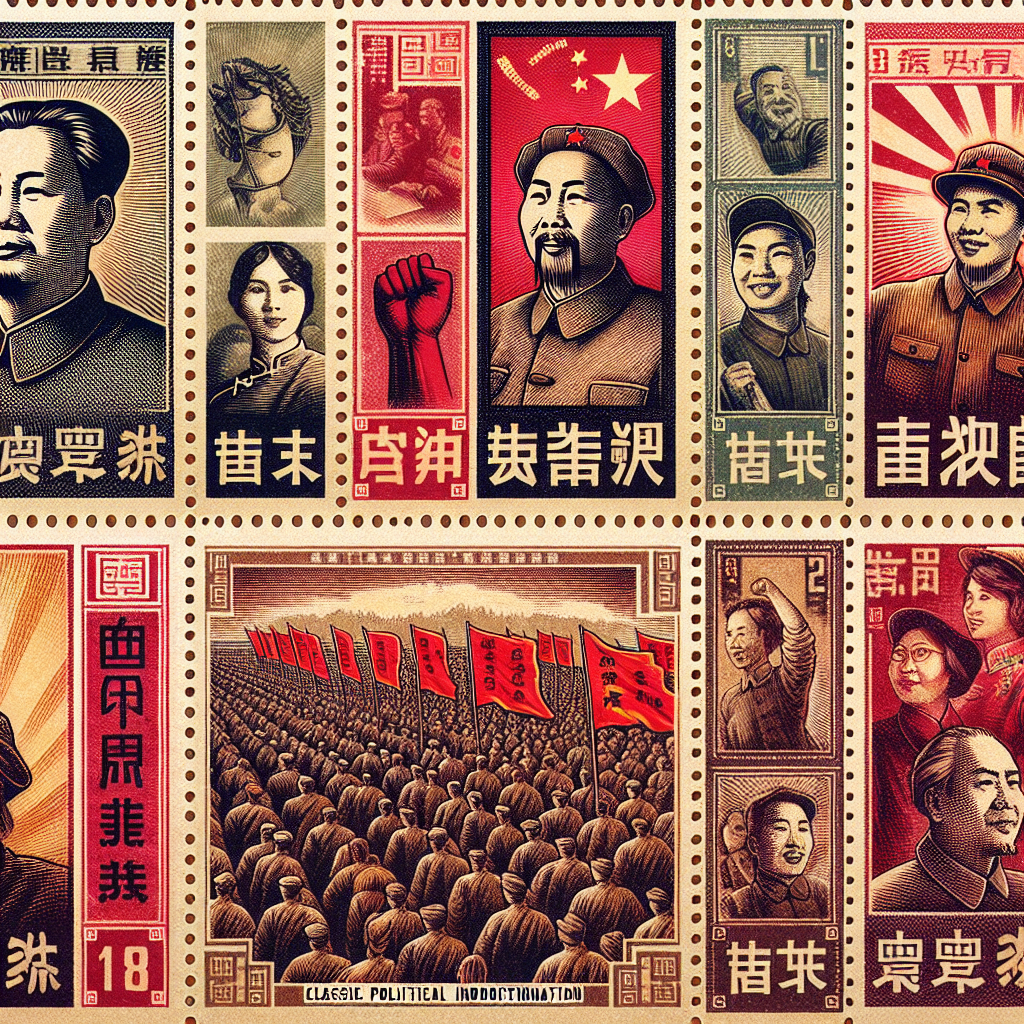
Introduction to Chinese Cultural Revolution Stamps
The Chinese Cultural Revolution (1966-1976) was a tumultuous period that not only reshaped China's political and social landscape but also left a unique imprint on its philatelic history. Stamps issued during this era are highly sought after by collectors worldwide, both for their historical significance and distinctive artistic style. However, due to their popularity and rarity, authentic Cultural Revolution stamps are often targets of forgery. This article provides expert guidance on how to identify and authenticate these classic Chinese stamps, helping collectors navigate this complex but fascinating area of philately.
Historical Context and Symbolism
Understanding the background of the Cultural Revolution is essential to appreciating the stamps issued during this period. Launched by Chairman Mao Zedong, the movement aimed to preserve communist ideology by purging remnants of capitalist and traditional elements from Chinese society. Stamps from this era frequently depict revolutionary themes, including portraits of Mao, images of Red Guards, workers, peasants, and soldiers, as well as revolutionary slogans and propaganda art.
Common Themes and Iconography
- Mao Zedong’s Portraits: Many stamps feature the Chairman's image, often in a heroic or idealized style.
- Red Guards and Revolutionary Youth: Depictions of fervent young revolutionaries carrying the "Little Red Book."
- Industrial and Agricultural Scenes: Illustrations promoting the spirit of labor and collective farming.
- Propaganda Slogans: Stamps often include revolutionary slogans in bold calligraphy.
Recognizing these symbols helps collectors understand the narrative behind each issue and distinguishes genuine Cultural Revolution stamps from unrelated or later issues.
Key Issues and Notable Stamp Series
During the Cultural Revolution, China released several iconic stamp series that have become cornerstones for collectors:
- The "Mao’s Portrait" Series (1967): Featuring various portraits of Mao, these stamps were widely circulated and remain immensely popular.
- "Red Guard" Series (1968): Illustrates revolutionary youth in action, often using vivid colors and dynamic composition.
- "Workers and Peasants" Series (1969): Celebrates the proletariat, emphasizing the unity between workers and farmers.
- "Slogans and Quotations" Issues: Stamps inscribed with revolutionary messages, reflecting the ideological zeal of the time.
Familiarity with these key series allows collectors to better identify stamps and understand their place within the broader cultural and political framework.
Materials and Printing Techniques
Authenticating Cultural Revolution stamps requires knowledge of the materials and printing methods used during the 1960s and 1970s. Most stamps from this period were produced using traditional lithography or photogravure techniques on paper types typical of the time.
Key material characteristics include:
- Paper Quality: Generally medium-weight, slightly textured paper with a matte finish.
- Perforations: Uniform perforation patterns consistent with official issues; uneven or irregular perforations may indicate forgery.
- Ink and Color: Use of vibrant, saturated inks with precise registration; color fading or bleeding is uncommon in genuine stamps.
Collectors should use magnification tools to examine fine details such as line work, color consistency, and perforation edges.
Identifying Authentic Stamps: Expert Tips
To accurately identify genuine Cultural Revolution-era stamps, collectors should consider the following factors:
- Catalog Reference: Use specialized Chinese philatelic catalogs, such as the "Scott China Specialized Catalogue" or "Stanley Gibbons China Catalog," to cross-reference stamp designs, issue dates, and values.
- Watermarks and Paper Types: Some issues include watermarks or specific paper textures; checking these can help confirm authenticity.
- Gum Condition: Original gum on unused stamps often has a specific appearance; regumming is a common forgery tactic.
- Printing Flaws and Varieties: Familiarity with known printing errors or varieties can help distinguish genuine stamps from fakes.
- Provenance and Certification: Whenever possible, obtain stamps with documented provenance or certificates from reputable philatelic experts or organizations.
Using UV Light and Other Tools
Modern collectors also employ ultraviolet (UV) light to detect differences in paper fluorescence, which can reveal alterations or modern reproductions. Additionally, watermark detectors and perforation gauges are invaluable for thorough examinations.
Common Forgeries and How to Spot Them
The high demand for Cultural Revolution stamps has led to numerous forgeries and reprints entering the market. Some of the most common forgery indicators include:
- Incorrect Paper: Use of modern paper that feels different or shows no aging signs.
- Poor Printing Quality: Blurred images, incorrect colors, or uneven perforations.
- Fake Overprints: Some stamps were officially overprinted during the Cultural Revolution; fake overprints are a frequent forgery method.
- Reproductions: Facsimiles intended for souvenir or decorative purposes rather than postal use.
Collectors should be wary of unusually low prices or sellers without verifiable reputations. Consulting with experienced philatelists or professional authentication services is highly recommended before making significant purchases.
Storage and Preservation Tips for Cultural Revolution Stamps
Proper storage is crucial to maintain the value and condition of these historical stamps. Here are some best practices:
- Store stamps in acid-free albums or stock books to prevent paper degradation.
- Avoid exposure to direct sunlight or fluorescent lighting, which can fade colors.
- Maintain a stable environment with moderate temperature and humidity to prevent mold or paper curling.
- Handle stamps with clean hands or stamp tongs to avoid oil and dirt damage.
Conclusion
Collecting Chinese Cultural Revolution stamps offers a fascinating glimpse into a pivotal era of China's history through the lens of philately. By understanding the historical context, recognizing symbolic themes, and applying expert authentication techniques, collectors can confidently build and preserve their collections. Awareness of common forgeries and diligent storage practices further ensure that these unique artifacts retain their cultural and monetary value for years to come.