Watch the video
Introduction to Pan-Africanism and Its Symbolism
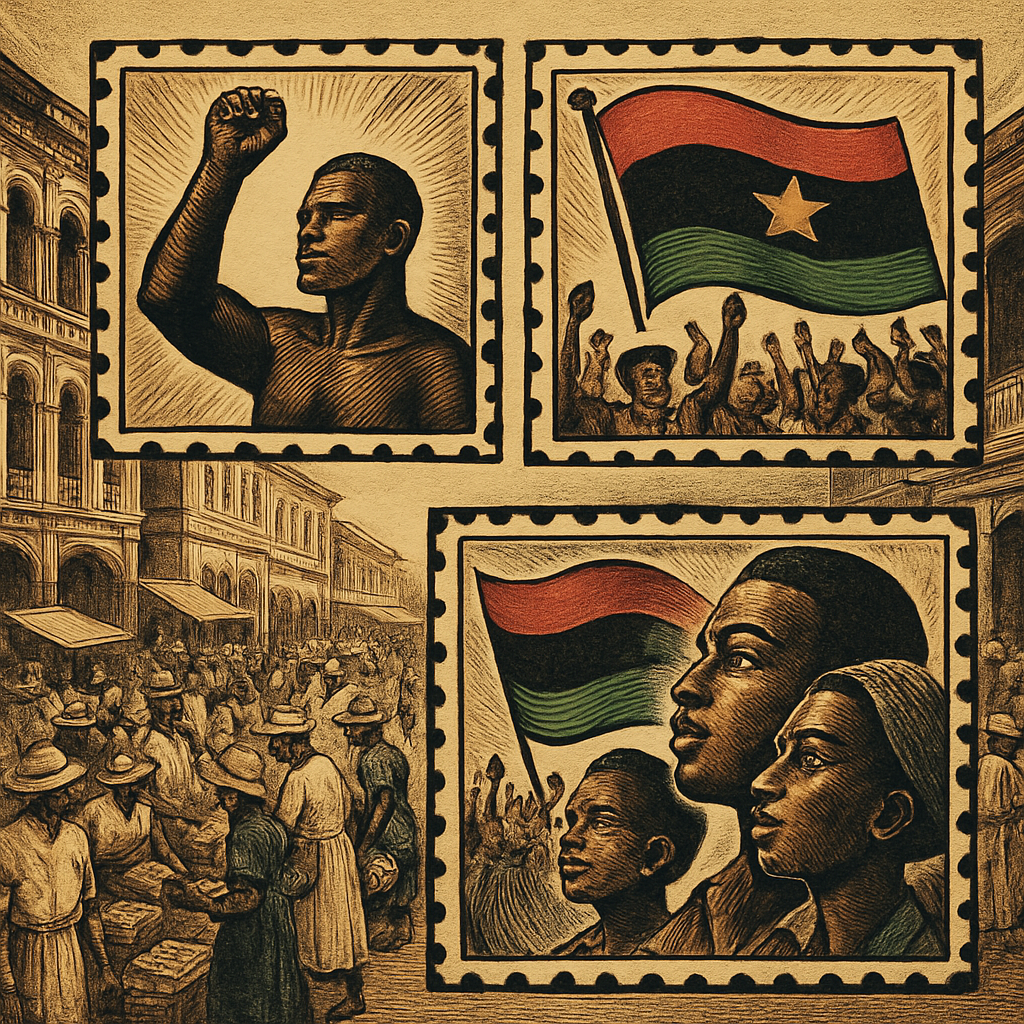
Pan-Africanism, as a political and cultural movement, has long sought to unite African nations and peoples of African descent worldwide. Its ideals emphasize shared history, collective identity, and mutual empowerment. One of the most intriguing and enduring mediums through which Pan-Africanism has been communicated and celebrated is postage stamps. These small but potent artifacts have served as visual ambassadors, promoting continental unity by commemorating leaders, historic events, and symbols that embody the Pan-African spirit.
Historical Context: The Rise of Pan-Africanism and Stamp Issues
The early 20th century marked the gradual awakening of Pan-African consciousness, catalyzed by colonial resistance and the quest for independence. As African countries gained sovereignty, postal services became platforms to express national pride and continental solidarity. Stamps issued during and after independence often featured Pan-African themes, blending national identity with broader continental aspirations.
Early Pan-African Congresses and Their Postal Recognition
The Pan-African Congresses, starting in 1900, laid foundational ideas for unity and emancipation. Although early issues did not explicitly depict these events, by mid-century, commemorative stamps began to emerge, marking milestones such as the 5th Pan-African Congress held in Manchester in 1945, which was crucial for mobilizing independence movements.
Iconic Pan-African Leaders on Stamps
Postage stamps have immortalized many Pan-African leaders, projecting their images across borders and generations. These portraits not only honor individual contributions but also reinforce ideals of unity and resistance against oppression.
Kwame Nkrumah: Ghana’s Visionary
Kwame Nkrumah, Ghana’s first president and a stalwart Pan-Africanist, is one of the most frequently featured figures on African stamps. Ghana’s 1957 independence issue famously showcased his portrait, symbolizing the dawn of African self-rule. Subsequent stamps celebrated his advocacy for continental federation and his role in the Organization of African Unity (OAU).
Julius Nyerere and the Spirit of Ujamaa
Tanzania’s Julius Nyerere, known for his philosophy of Ujamaa (familyhood), appeared on numerous Tanzanian stamps promoting social unity and cooperation. His leadership and Pan-African ideals were highlighted in stamps commemorating the Arusha Declaration and African solidarity.
Haile Selassie I: Ethiopia’s Emperor and Pan-African Icon
Haile Selassie I was not only Ethiopia’s emperor but also a symbol of African sovereignty and resistance to colonialism. Ethiopian stamps often depict him alongside Pan-African symbols, reflecting his role in founding the OAU and championing African unity on the world stage.
Stamps Commemorating Pan-African Events and Organizations
Beyond individuals, African stamps have celebrated key events and institutions that cement Pan-African ideals.
The Organization of African Unity (OAU) and African Union (AU)
The establishment of the OAU in 1963 was a landmark achievement, uniting 32 African states under a common cause. Many member nations issued stamps commemorating the OAU’s founding, its summits, and its transformation into the African Union in 2001. These stamps often feature the OAU/AU emblem, maps of Africa, and imagery symbolizing peace and cooperation.
Independence Day Celebrations Across Africa
Independence anniversaries provide a fertile ground for Pan-African themes on stamps. Nations commemorate their liberation with designs that often incorporate the Pan-African colors of red, black, green, and gold, alongside iconic symbols such as the African continent or clasped hands representing solidarity.
Commemorating the African Renaissance
The African Renaissance, a concept popularized by leaders like Thabo Mbeki, envisions a rebirth of African cultural, political, and economic strength. Several countries have issued stamps celebrating this vision, emphasizing progress, unity, and empowerment.
Symbols and Motifs Promoting Continental Unity on Stamps
Visual symbolism is central to the messaging of Pan-African stamps. Collectors and enthusiasts will notice recurring motifs that reinforce the themes of unity and shared heritage.
- Pan-African colors: Red symbolizes the blood shed for liberation, black represents the people, and green stands for the continent’s rich land. Gold often stands for wealth and prosperity.
- Map of Africa: The continent’s silhouette is a powerful image asserting geographic and cultural unity.
- Clasped hands or linked arms: Representing solidarity and cooperation across national boundaries.
- Traditional African art and cultural symbols: These evoke the rich heritage and diverse cultures united under Pan-Africanism.
Collector Tips: Building a Pan-Africanism Stamp Collection
For philatelists interested in Pan-African themes, a collection can be both rewarding and educational. Here are some tips to get started:
- Research key historical periods: Focus on stamps issued around independence years (1950s-1970s), OAU founding (1963), and significant anniversaries.
- Identify prominent Pan-African leaders: Seek stamps featuring figures like Nkrumah, Nyerere, Selassie, Patrice Lumumba, and others.
- Look for thematic sets: Many African countries issue entire series dedicated to Pan-Africanism or unity themes, often with vibrant colors and rich symbolism.
- Check for limited editions and commemoratives: These tend to be more valuable and historically significant.
- Join philatelic societies: Engage with groups specializing in African or thematic stamp collecting to exchange knowledge and find rare items.
Interesting Anecdotes and Historical Facts
Did you know that Ghana’s first stamp issued after independence in 1957 was not only a symbol of national pride but also the first African stamp to prominently feature a living African leader, Kwame Nkrumah? This was a bold statement during an era when colonial powers still dominated much of the continent.
Another fascinating story comes from Tanzania, where the 1967 “African Solidarity” stamp series was designed in collaboration with local artists to reflect indigenous styles alongside Pan-African colors, reinforcing the unity between tradition and modern political ideals.
Additionally, the emblem of the OAU, frequently found on stamps, was inspired by a traditional African shield surrounded by two ears of corn, symbolizing defense and prosperity — concepts central to the Pan-African vision.
Modern Movements and the Continuing Role of Stamps
While digital communication has transformed how ideas spread, postage stamps continue to play a symbolic role. Contemporary issues often celebrate Pan-African culture, music, and youth empowerment, reflecting evolving expressions of unity.
Recent stamp series from countries like Senegal, Nigeria, and South Africa highlight cultural festivals, African fashion, and scientific achievements, blending Pan-Africanism with modern identity and global influence.
Pan-Africanism in the Digital Age: The Role of Philately
Though physical mail is less common, philately remains a vibrant hobby and cultural archive. Online marketplaces and exhibitions allow collectors worldwide to access Pan-African stamps, preserving their legacy and promoting awareness of Africa’s shared journey.
Visual Summary — Article in Motion
Conclusion
Postage stamps have been more than mere facilitators of communication—they are miniature canvases that narrate Africa’s quest for unity, freedom, and identity. From heroic leaders to emblematic events and powerful symbols, Pan-African stamps have fostered a sense of continental solidarity that transcends borders and generations. Collecting and studying these stamps offers not only aesthetic pleasure but also a profound connection to the history and ideals that continue to shape Africa today.