Watch the video
Introduction to the Trail of Tears and Philatelic Remembrance
The Trail of Tears represents one of the most harrowing chapters in Native American history, marking the forced relocation of several indigenous tribes from their ancestral homelands in the southeastern United States to designated Indian Territory west of the Mississippi River during the 1830s. This tragic episode resulted in significant loss of life and upheaval of cultural traditions. Over time, United States postage stamps have served as poignant vehicles to honor and remember this painful past, while also celebrating Native American resilience and cultural survival.
Historical Context of the Trail of Tears
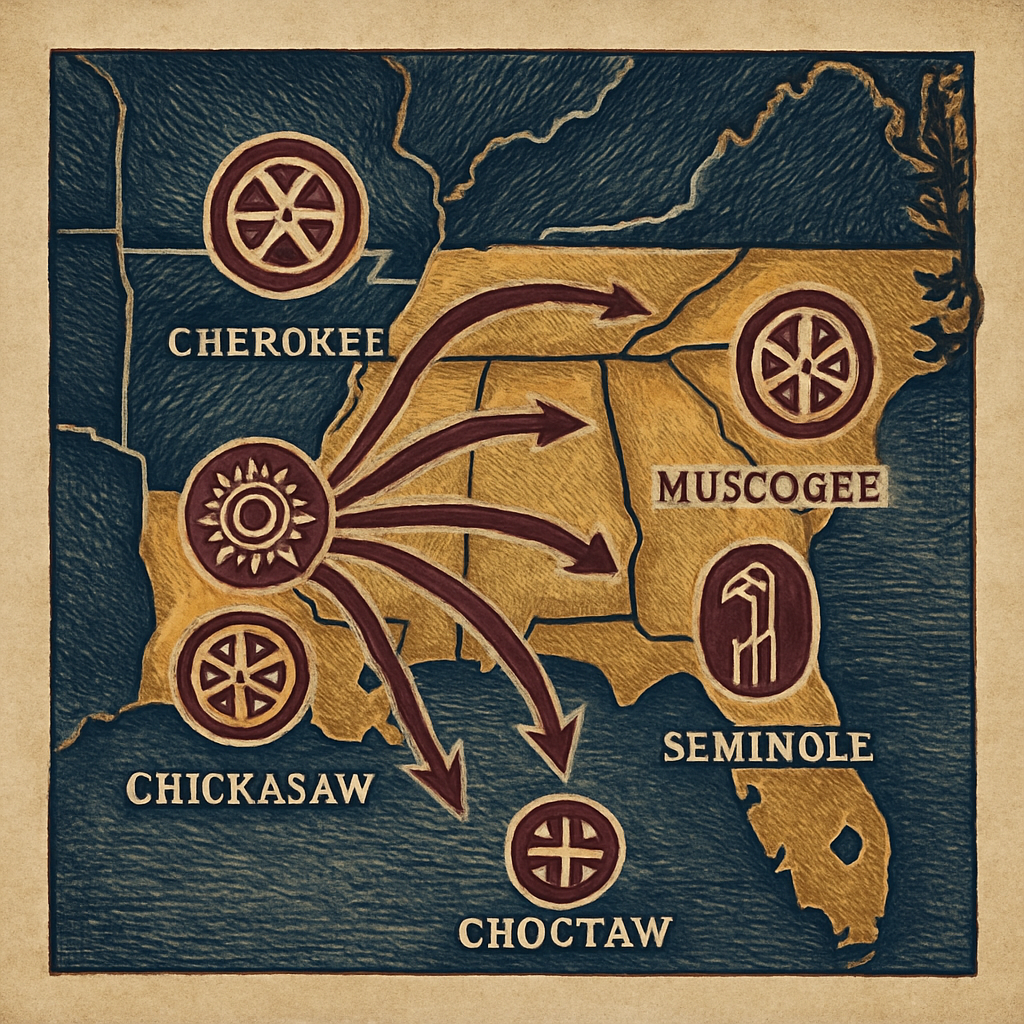
The Trail of Tears primarily involved the Cherokee, Muscogee (Creek), Seminole, Chickasaw, and Choctaw nations. Following the Indian Removal Act of 1830, these tribes were compelled to relinquish their lands and relocate under brutal conditions, resulting in thousands of deaths from disease, starvation, and exhaustion. The journey was marked by hardship and immense suffering, forever imprinting a legacy of injustice.
Key Tribes Affected
- Cherokee Nation: Perhaps the most well-known group associated with the Trail of Tears, their forced march in 1838-1839 resulted in an estimated 4,000 deaths.
- Choctaw Nation: The first tribe removed, beginning in 1831, their removal set a precedent for subsequent relocations.
- Chickasaw Nation: Relocated in 1837, they negotiated financial compensation but still endured great hardship.
- Creek (Muscogee) Nation: Removed primarily in 1836, they faced resistance and violent confrontations.
- Seminole Nation: Known for their fierce resistance in the Seminole Wars, many were forcibly removed in the 1830s and 1840s.
United States Stamps as Commemorative Artifacts
Postage stamps are more than mere postage; they serve as miniature canvases reflecting history, culture, and national identity. The U.S. Postal Service has issued numerous stamps acknowledging Native American heritage and the Trail of Tears, often blending educational content with artistic tribute.
Early Native American-Themed Stamps
Before specific Trail of Tears commemoratives, the U.S. issued stamps featuring Native American leaders and motifs, highlighting indigenous contributions and history. For example, the 1924 Indian Citizenship stamp recognized Native Americans’ legal status and contributions to the nation.
Stamps Explicitly Commemorating the Trail of Tears
In 1984, the U.S. Postal Service released a stamp as part of the American Bicentennial series marking Native American heritage, which indirectly referenced the Trail of Tears by honoring the Choctaw Nation’s resilience. The most explicit tribute came in 2008 with the issuance of the Trail of Tears National Historic Trail commemorative stamp, which depicted a poignant image of Native Americans traveling during the forced relocation.
Design Elements and Symbolism in Trail of Tears Stamps
The artwork on these stamps often incorporates symbolic imagery such as:
- Footprints and Trails: Representing the physical journey and hardships endured.
- Traditional Regalia and Artifacts: Highlighting cultural heritage and identity.
- Natural Landscapes: Emphasizing the original homelands and the new territories.
- Historical Figures: Such as Chief John Ross or Sequoyah, to personalize the history.
Philatelic Anecdotes and Historical Facts
One interesting anecdote involves the 2008 Trail of Tears stamp: the artist, Howard Paine, collaborated with Native American historians to ensure cultural accuracy, making it a respectful and authentic tribute. Collectors often prize this stamp for both its historical significance and artistic merit.
Historically, the Postal Service has faced criticism for underrepresenting Native American history, making these stamps especially significant as milestones in public recognition and education.
Collector Tips: Acquiring and Preserving Trail of Tears Stamps
- Research Authenticity: Verify the issue date and printing details to avoid forgeries or reprints.
- Condition is Key: Mint condition stamps with intact perforations and vibrant colors hold the highest value.
- Look for First Day Covers: These envelopes postmarked on the first day of the stamp’s release often include informative cachets and enhance historical context.
- Explore Related Memorabilia: Collecting associated materials like postal cards, brochures, or framed displays can enrich your collection.
- Consider Framed Displays: Premium handcrafted frames, such as those offered by Obelisk Stamps, protect and showcase these precious pieces, making them both collectible and decorative.
The Broader Impact of Commemorative Stamps on Native American Awareness
Stamps serve as miniature ambassadors of history, circulating widely and sparking curiosity and education. Through commemorating the Trail of Tears and Native American heritage, these stamps foster greater public awareness and respect for indigenous narratives often marginalized in mainstream history.
Moreover, they contribute to cultural preservation by visually documenting traditional attire, symbols, and stories that might otherwise fade from collective memory. For collectors and historians alike, these stamps are invaluable artifacts bridging past and present.
Visual Summary — Article in Motion
Conclusion
The Trail of Tears remains a solemn reminder of the injustices faced by Native American tribes, and U.S. postage stamps have played a meaningful role in commemorating this history. Through thoughtful design, historical accuracy, and cultural reverence, these stamps not only honor the past but also educate future generations. Collecting and preserving these commemoratives provides a tangible connection to a pivotal chapter in American history, while celebrating the enduring spirit of Native American communities.