Watch the video
Early Depictions of Women on Postage Stamps
The portrayal of women on postage stamps before the 20th century was a rarity, reflecting broader societal attitudes and the limited public roles women held in many nations. Yet, the few pioneering female figures featured on stamps from this era offer a fascinating lens into how societies valued female contributions and how these images contributed to national identity.
Postage stamps, first issued in 1840 with the iconic British Penny Black featuring Queen Victoria, were among the earliest vehicles for visual storytelling in mass communication. The choice to feature a woman, especially a reigning monarch like Victoria, was both practical and symbolic. It reinforced the legitimacy of the monarchy and the empire during a period of rapid expansion and industrialization.
Queen Victoria: The First Woman on a Stamp
Arguably the most significant early female figure on postage stamps is Queen Victoria herself, who appeared on the world’s first adhesive postage stamp, the Penny Black, issued in the United Kingdom on May 1, 1840. This stamp not only revolutionized postal systems worldwide but also set a precedent for the depiction of sovereigns as symbols of authority and unity.
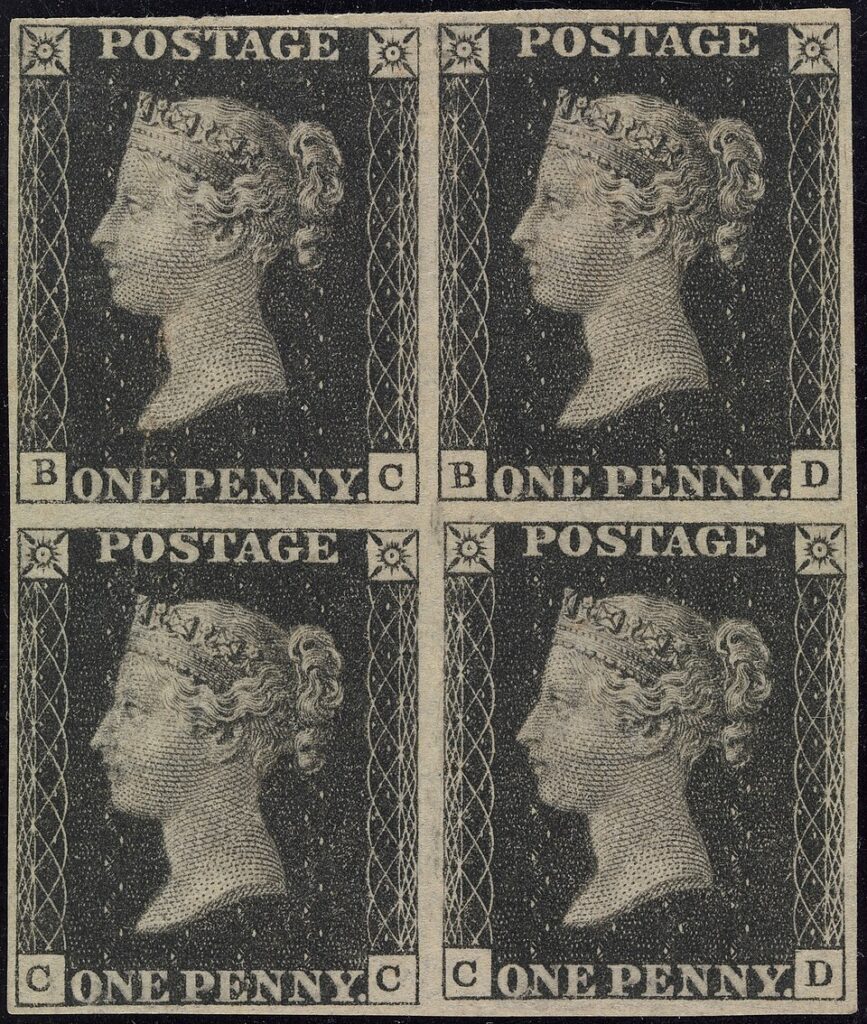
Victoria’s image on the Penny Black was carefully crafted. Engraved by William Wyon, the portrait was based on the ‘Young Head’ cameo, emphasizing youthfulness and dignity. This visual choice helped cement the Queen’s image in the public consciousness as a steadfast ruler during a transformative era. The Penny Black’s success inspired many British colonies and other nations to feature monarchs or female allegories on their stamps, often to evoke national pride.
An interesting anecdote involves the 1847 issue of the British colony of Mauritius, where Queen Victoria’s portrait was also used. The island’s stamps became legendary when, decades later, the “Post Office” Mauritius stamps, featuring her image, fetched record prices among collectors due to their rarity and historical significance.
Female Allegories and Symbolism on Early Stamps
Beyond monarchs, many early stamps featured female allegorical figures embodying ideals such as liberty, justice, and the nation itself. These allegories, often represented as classical goddesses or personifications, played a vital role in shaping national identity, especially in newly independent nations or republics.
For example, the United States, after issuing its first postage stamps in 1847, often featured allegories like Columbia, a female personification of America, on later stamps in the 19th century. Columbia’s image symbolized freedom and progress at a time when the nation was expanding westward and grappling with internal conflicts.
In France, Marianne emerged as a potent symbol of the Republic, appearing on stamps from the late 19th century. Representing liberty and reason, Marianne’s depiction reinforced republican ideals during turbulent political times. Her image was deliberately chosen to communicate the values of the French state to both domestic and international audiences.
Notable Women Featured on Pre-20th Century Stamps
Although rare, a few pioneering women beyond reigning monarchs and allegorical figures appeared on stamps before 1900, marking significant cultural or political milestones:
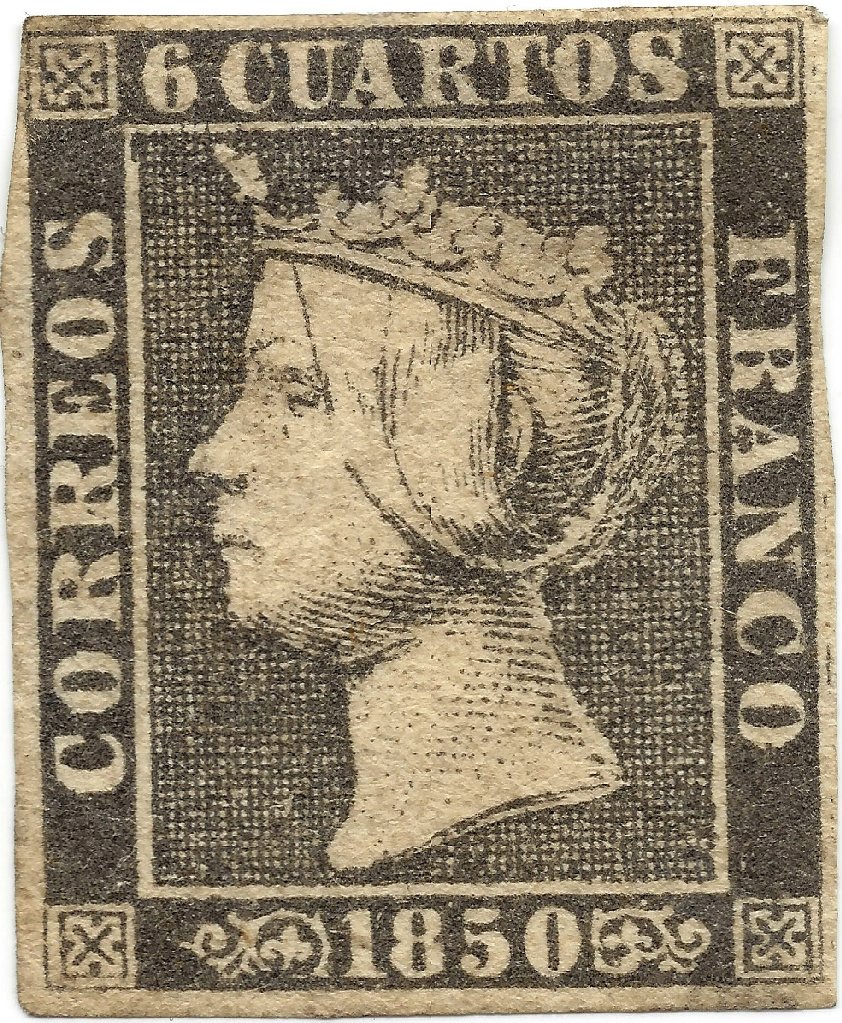
- Isabella I of Castile (Spain, 1891): The 1891 Spanish stamp commemorated Queen Isabella I, famed for sponsoring Christopher Columbus’s voyage to the Americas. This issue underscored Spain’s historical legacy and national pride in its imperial past.
- Joan of Arc (France, 1898): Although more famously featured on 20th-century stamps, Joan of Arc first appeared in French philately in 1898. Her image evoked patriotism and resilience, aligning with the ideals of the Third Republic.
- Queen Emma of Hawaii (1893): Featured on Hawaiian stamps during the kingdom’s waning years, Queen Emma’s portrait symbolized Hawaiian sovereignty and cultural identity amid increasing foreign influence.
Each of these women represented more than personal achievements; their images on stamps functioned as embodiments of national narratives and cultural heritage, often at critical historical junctures.
The Role of Women on Stamps in National Identity Formation
Women depicted on 19th-century stamps often served as powerful icons to foster unity, legitimize political authority, and communicate cultural values. Monarchs like Queen Victoria visually asserted the continuity and stability of imperial power, while allegorical figures and historical heroines reflected evolving national ideals.
The choice to feature women was not merely decorative but strategic. For example, the United Kingdom and its colonies used Queen Victoria’s image to symbolize the vast reach of the British Empire, connecting diverse peoples under a common sovereign. Meanwhile, republics used female allegories to promote civic virtues and revolutionary ideals, reinforcing a shared identity distinct from monarchies.
Furthermore, the inclusion of notable historical women on stamps helped nations reclaim or celebrate their pasts. Spain’s depiction of Isabella I linked its contemporary identity to a golden age of exploration, while France’s use of Joan of Arc symbolized resistance and national revival.
Philatelic Anecdote: The 1893 Hawaiian Queen Emma Issue
One captivating story comes from the Kingdom of Hawaii’s brief but significant stamp issues in the late 19th century. In 1893, Queen Emma, a beloved figure known for her philanthropy and leadership, was featured on Hawaiian stamps. These stamps were issued shortly before the overthrow of the Hawaiian monarchy the same year, making them poignant symbols of a disappearing era.
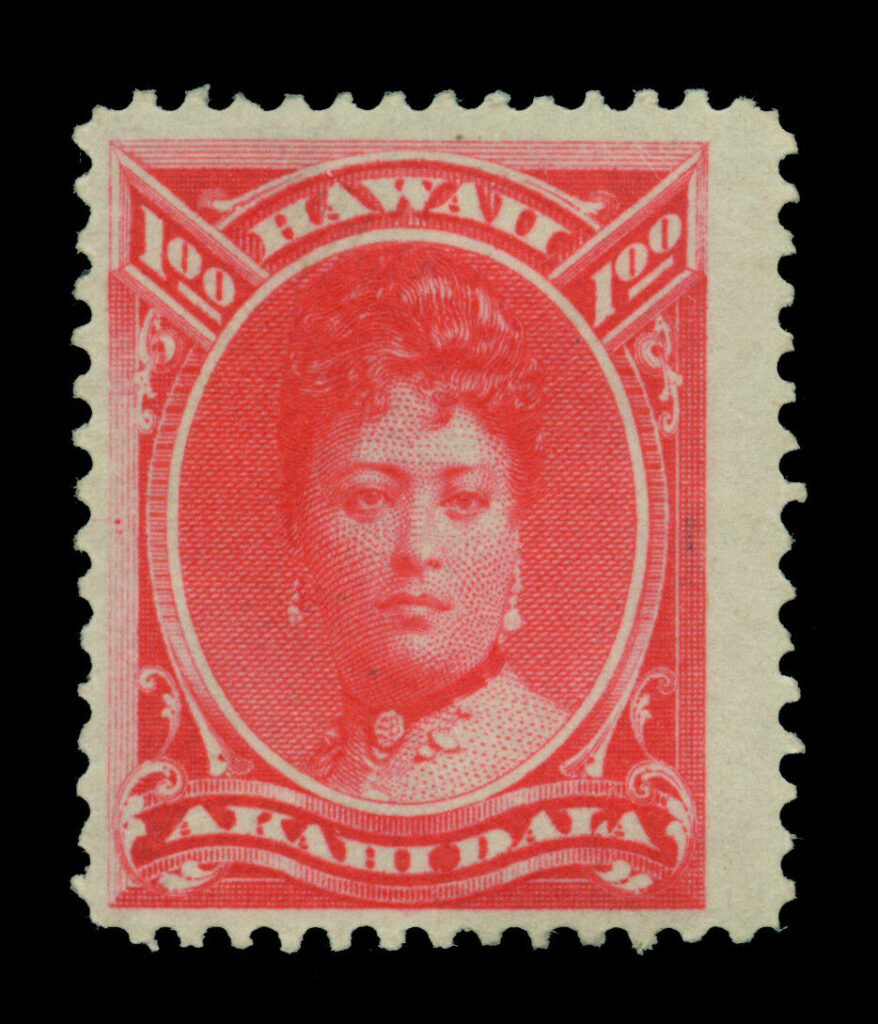
Collectors today prize these stamps not only for their rarity but also for their historical resonance. The Queen Emma stamps offer an intimate glimpse into a society grappling with colonial pressures and the loss of sovereignty, embodied in the dignified portrait of a female monarch.
Tips for Collectors Interested in Early Female Figures on Stamps
- Research Provenance: Early stamps featuring women often come from diverse political contexts. Understanding the historical background enhances appreciation and aids authentication.
- Look for Rarity and Condition: Stamps like the Mauritius “Post Office” or Hawaiian Queen Emma issues are rare and valuable, especially in pristine condition. Seek expert advice when purchasing.
- Explore Thematic Collections: Building a collection focused on pioneering women on stamps can reveal fascinating connections between gender, power, and identity across nations.
- Preserve Cultural Respect: When collecting stamps depicting historical female figures, especially indigenous or colonial contexts, approach with awareness of cultural significance and avoid decontextualized commodification.
Visual Summary — Article in Motion
Conclusion
The depiction of pioneering female figures on postage stamps before the 20th century offers a rich, visual narrative of how women have shaped and symbolized national identities. From Queen Victoria’s groundbreaking appearance on the Penny Black to allegorical icons like Marianne and historical heroines such as Isabella I and Queen Emma, these early stamps reflect the complex interplay of gender, power, and cultural memory. For philatelists and history lovers alike, these stamps are not mere artifacts but vibrant storytellers of a world in transition.