Watch the video
Historical Context of Tunisia’s 2006 World Cup Stamp Series
In 2006, Tunisia issued a vibrant series of postage stamps commemorating its participation in the FIFA World Cup[1] held in Germany. These stamps are more than mere postal artifacts; they represent a carefully crafted narrative that intertwines football’s socio-political significance with Tunisia’s rich Islamic artistic heritage. Issued five years before the Arab Spring uprisings, these stamps offer a prescient glimpse into football’s unifying national role, which would assume even greater importance in the years that followed.
Tunisia had qualified for the World Cup for the third time in its history, a milestone that sparked national pride and widespread public enthusiasm. The Tunisia Post (La Poste Tunisienne) capitalized on this moment by producing a series of four stamps featuring football imagery infused with traditional Islamic geometric patterns and calligraphy, symbolizing the fusion of modern sport with cultural identity.
Football as a Catalyst for National Unity in Tunisia
Football in Tunisia is more than a sport; it is a social glue that crosses political, ethnic, and regional divides. The 2006 World Cup was a particularly potent moment for national unity, as Tunisians rallied behind their team amid ongoing economic and political challenges. The stamps issued that year visually encapsulate this phenomenon.
One notable example is the 2006 500 millimes stamp featuring a stylized football player poised to strike a ball, set against an intricate blue and gold background inspired by traditional Islamic tilework. This design subtly evokes a sense of harmony and balance—core values in Islamic art—paralleling the collective spirit fostered by the national team.
An anecdote that illustrates football’s role in uniting Tunisians occurred during the World Cup qualifiers in 2005[2]. In Sfax, a city with a diverse population often divided along socio-economic lines, a local café owner named Ahmed Ben Youssef recounted how on the day Tunisia secured qualification, the entire neighborhood joined in celebration, transcending daily grievances. His words, recorded in a 2007 interview with Le Temps, emphasize that “football brought us together like nothing else had in years.” This communal sentiment is echoed in the stamp series’ design ethos.
Cultural Heritage Expressed Through Islamic Artistic Elements
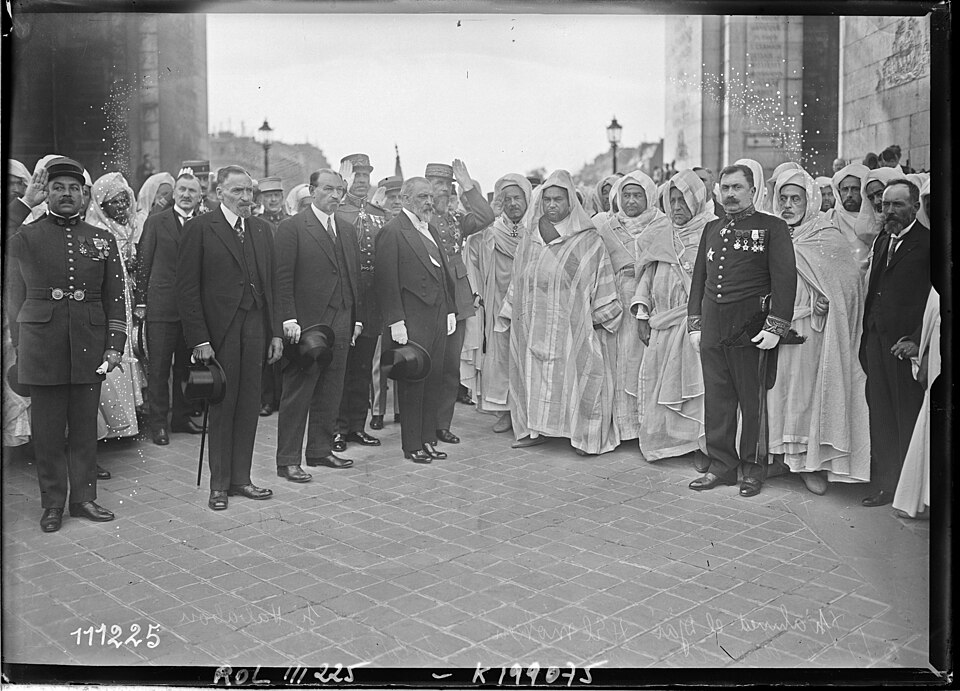
The designers of the 2006 World Cup stamp series deliberately incorporated elements of Tunisia’s Islamic artistic heritage to root the celebration of a global sporting event firmly within a national cultural framework. The use of geometric patterns, arabesques, and Kufic-inspired calligraphy on these stamps is a direct homage to Tunisia’s centuries-old Islamic art traditions.
For instance, the 1,000 millimes stamp depicts the World Cup trophy encircled by a tessellated pattern reminiscent of the intricate mosaics found in the Great Mosque of Kairouan, one of Tunisia’s most revered religious sites dating back to the 7th century[3]. The stylized calligraphy surrounding the trophy spells out “Tunisie” in a modernized Kufic script, blending historical reverence with contemporary design.
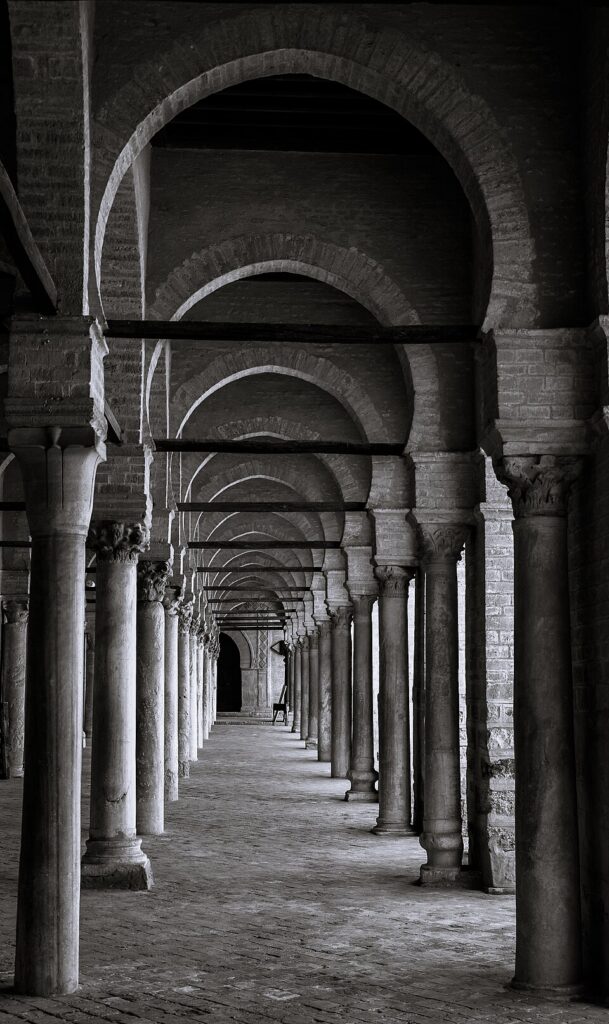
Such artistic choices not only highlight Tunisia’s cultural wealth but also signal to international audiences that football, while a modern global phenomenon, is deeply intertwined with local identity and heritage. This fusion is particularly compelling for philatelists who appreciate stamps as cultural ambassadors and narrative devices.
Philatelic Significance and Collecting Insights
For collectors specializing in sports-themed philately or North African postal history, Tunisia’s 2006 World Cup series offers a fascinating study. The series was issued in both mint and first day cover formats, with limited print runs that have made these stamps increasingly sought after in recent years.
- Authenticity Tips: Genuine first day covers feature cancellations dated June 1, 2006, with the postmark bearing the Tunisian national emblem. Collectors should verify the clarity of these cancellations and the stamp gum condition to ensure authenticity.
- Design Details: Close examination reveals the precision of the geometric patterns, which were printed using photogravure, a technique prized for its ability to capture fine detail and vibrant color.
- Market Trends: Since the Arab Spring, interest in Tunisian cultural artifacts has increased, reflecting a broader appreciation for the country’s historical narrative. These stamps have seen moderate value growth, especially among thematic collectors focusing on football or Islamic art.
An interesting anecdote in the philatelic community involves a 2009 auction in Paris where a complete mint set of the Tunisia 2006 World Cup stamps fetched nearly triple its estimated value[4]. The winning bidder, a renowned sports memorabilia collector named Jean-Michel Laurent, cited the stamps’ fusion of cultural symbolism and sporting significance as key to their appeal.

Legacy of the 2006 World Cup Stamps in Post-Arab Spring Tunisia
Although issued before the seismic events of the Arab Spring, the 2006 World Cup stamp series has, in hindsight, taken on added symbolic weight. Football continued to serve as a peaceful rallying point during Tunisia’s political transitions, and the cultural motifs on the stamps resonate with a renewed appreciation for Tunisia’s heritage amid social change.
Moreover, Tunisia’s postal authorities have since embraced sports-themed issues that celebrate unity and diversity, echoing the precedent set in 2006. The stamps thus remain a touchstone for understanding how visual culture in philately can reflect and influence national identity.
Conclusion
Tunisia’s 2006 World Cup stamp series stands as a compelling example of how postage stamps can transcend their functional role to become powerful cultural artifacts. By merging football imagery with Islamic artistic traditions, these stamps encapsulated a moment of national pride and unity that foreshadowed deeper social transformations. For philatelists and historians alike, they offer a rich narrative that celebrates Tunisia’s heritage and the universal language of sport.

Visual Summary — Article in Motion
References
- Tunisia Post, 2006 World Cup Stamp Issuance, La Poste Tunisienne, 2006
- Le Temps, Interview with Ahmed Ben Youssef, Sfax, 2007
- Great Mosque of Kairouan, UNESCO World Heritage Centre https://whc.unesco.org/en/list/499
- Paris Auction House, Sports Memorabilia Auction, 2009