Watch the video
Stamps from the World’s Most Remote Post Offices
Few aspects of philately capture the imagination quite like stamps issued by post offices located in the most remote corners of the globe. These miniature works of art and communication embody stories of isolation, endurance, and cultural identity in places where conventional mail service is a rare and vital link to the outside world. This article journeys through some of these little-known outposts, exploring the stamps they have produced and the cultural significance embedded within them.
Tristan da Cunha: The World’s Most Isolated Inhabited Island
Located in the South Atlantic Ocean, some 2,400 kilometers from the nearest inhabited land, Tristan da Cunha holds the distinction of being the most remote inhabited archipelago on Earth. Despite its isolation, the island maintains an operational post office that issues stamps cherished by collectors worldwide.
The first Tristan da Cunha stamps appeared in 1952, featuring local scenes and wildlife, brought into existence largely due to the island’s need for a formal postal system and to generate revenue. One notable issue from 1961 depicted the island’s rugged coastline and the endemic Tristan albatross, symbolizing resilience amid isolation. These stamps are not just payment for postage but a testament to the island’s distinct identity.

An intriguing anecdote involves the 1961 volcanic eruption of Queen Mary’s Peak. The eruption forced the entire population to evacuate to England. During this period, the post office continued to operate in exile, issuing stamps that are now poignant reminders of the community’s disruption and eventual return to their homeland in 1963.
Cultural Significance of Tristan da Cunha Stamps
Beyond their postal utility, Tristan da Cunha’s stamps serve as cultural ambassadors. Many issues feature indigenous flora and fauna, traditional fishing practices, and community life, reinforcing a collective identity. The stamps also highlight the island’s environmental challenges and the importance of conservation efforts in these vulnerable habitats.
Pitcairn Islands: Postage from the Descendants of the Bounty Mutineers
Another remarkable remote outpost is the Pitcairn Islands, a British Overseas Territory in the Pacific Ocean, home to descendants of the HMS Bounty mutineers. The island’s post office began issuing stamps in 1940, initially focusing on maritime themes and the mutiny’s history.
A memorable issuance came in 1979, commemorating the bicentenary of the mutiny. The stamps featured portraits of Fletcher Christian and Captain Bligh, along with scenes depicting life on Pitcairn. These stamps are prized for their storytelling, connecting philatelists to a dramatic episode of naval history through vivid visuals.
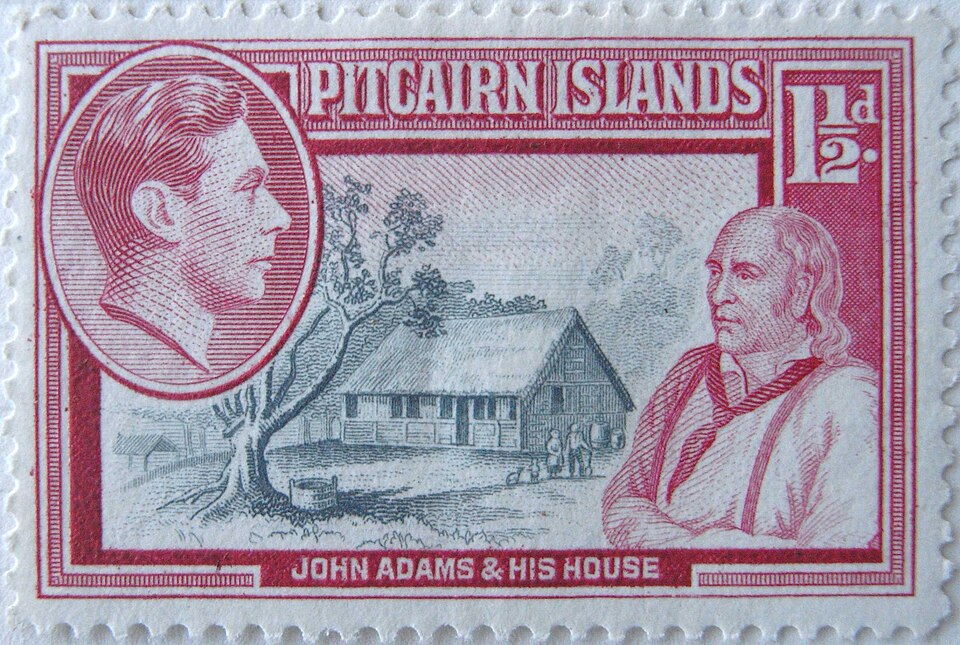
Collectors often seek Pitcairn stamps for their rarity and the island’s minuscule population of fewer than 50 people. The postal issues provide a window into how a tiny community sustains its cultural narrative and communicates with the wider world.
Svalbard: Postal Heritage in the Arctic Wilderness
Moving to the Arctic, the Svalbard archipelago presents a unique case where Norwegian sovereignty meets a multinational population engaged in scientific research and mining. The post office in Longyearbyen, Svalbard’s main settlement, issues stamps that reflect its polar environment and international character.
Since the first stamp issue in 1920, featuring the Arctic landscape, Svalbard’s stamps have celebrated polar exploration, indigenous wildlife like the polar bear, and the challenges of life in extreme conditions. One notable set from 1995 illustrated the history of scientific expeditions, commemorating the centenary of the first Norwegian Arctic expedition to the archipelago.
For philatelists fascinated by themes of exploration and survival in harsh climates, Svalbard’s stamps offer a rich narrative. They also emphasize international cooperation, as many researchers from different countries call the archipelago home.
Practical Tips for Collecting Stamps from Remote Post Offices
- Verify Authenticity: Due to the desirability of remote post office issues, forgeries exist. Seek stamps with certificates of authenticity from reputable philatelic societies or dealers specializing in remote post offices.
- Understand Postal Validity: Some remote locations produce stamps primarily for collectors rather than regular postal use. Research the postal history to distinguish between official issues and purely philatelic creations.
- Explore Thematic Collections: Many remote post offices issue stamps centered on nature, exploration, or local culture. Building a themed collection around these topics can provide deeper insights and enjoyment.
- Engage with Specialist Literature: Books and journals focused on remote post offices and polar philately offer invaluable background, helping collectors appreciate the historical and cultural context of their stamps.
Visual Summary — Article in Motion
Conclusion
The stamps from the world’s most remote post offices, such as Tristan da Cunha, the Pitcairn Islands, and Svalbard, serve as miniature windows into isolated worlds. They encapsulate stories of survival, cultural identity, and the human need to connect across vast distances. For philatelists and history lovers alike, these stamps are treasures that enrich our understanding of global heritage, reminding us that even the most far-flung outposts leave enduring marks on the tapestry of human communication.