Watch the video
Origins of Ottoman Postal Services and Early Stamps
The Ottoman Empire, once a sprawling polity straddling three continents, embraced modern postal services relatively late compared to its European counterparts. Prior to the 19th century, communication relied heavily on couriers and local messengers, often hindered by the vastness and diversity of the empire’s territories. The establishment of the Ottoman postal system in the mid-1800s was both a response to growing administrative needs and pressure from European powers to modernize.
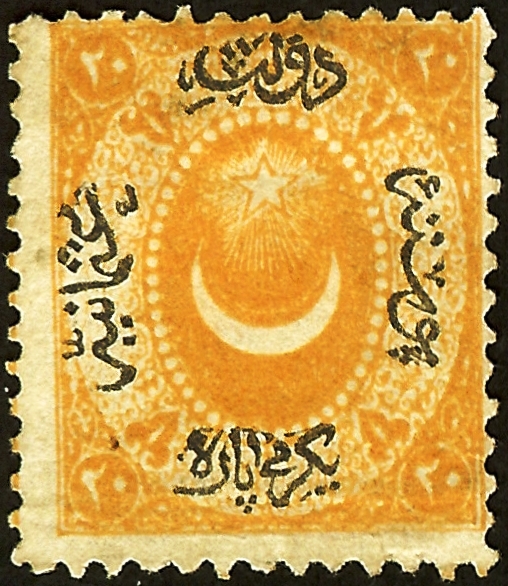
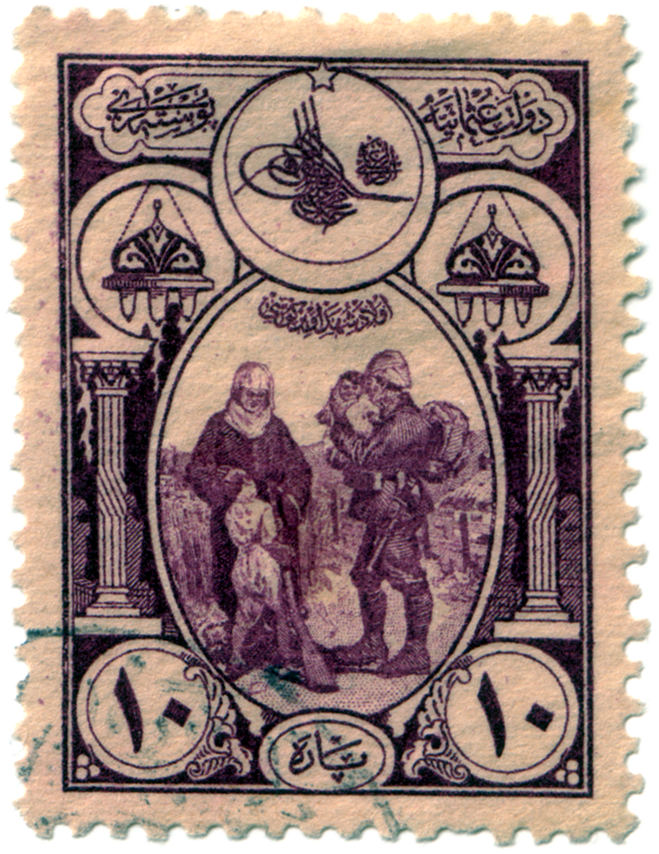
The first Ottoman stamps appeared in 1863, marking a significant milestone in the empire’s engagement with global postal standards. These early issues, known as the “Tughra” stamps, prominently featured the Sultan’s calligraphic signature, or tughra, symbolizing imperial authority while also embracing the new technology of adhesive postage. This blend of tradition and modernity encapsulated the empire’s complex identity during a period of reform and internal challenges.

Design and Symbolism: Reflecting a Diverse Empire
Ottoman stamps provide a fascinating window into the empire’s cultural and political fabric. The tughra stamps, printed in various denominations and colors, expressed the Sultan’s sovereignty but also the empire’s Islamic heritage. Alongside these, later issues incorporated motifs such as the crescent and star, emblematic of Ottoman and Islamic symbolism.
As the empire grew more conscious of its international role and internal diversity, stamps began to include bilingual inscriptions in Ottoman Turkish and French, the lingua franca of diplomacy at the time. This bilingualism underlines the empire’s attempts to communicate with both its subjects and European partners.
Moreover, the empire’s vast geography meant that postal operations had to accommodate a mosaic of cultures and languages, including Arabic, Greek, Armenian, and Kurdish communities. While stamps themselves were predominantly inscribed in Ottoman Turkish and French, postal history enthusiasts can find fascinating variations in regional cancellations and postal routes that reflect this diversity.
The Role of Post Offices Abroad and Treaty Ports
One of the most intriguing aspects of Ottoman postal history is the network of foreign post offices operating within its territory. In the 19th and early 20th centuries, European powers such as France, Austria, and Russia maintained their own postal services in Ottoman treaty ports like Istanbul, Izmir, and Beirut. These foreign post offices issued stamps and handled mail independently, underscoring the empire’s waning sovereignty.
Collectors often seek covers (envelopes) bearing both Ottoman and foreign stamps or cancellations, as these artifacts vividly illustrate the overlapping jurisdictions and complex international relations of the time. For instance, a letter sent from Istanbul in 1905 might bear an Ottoman stamp alongside a French post office cancellation, telling a story of diplomatic entanglements and commercial exchange.
Stamps Amid Decline: Economic Turmoil and Political Upheaval
By the late 19th century, the Ottoman Empire was grappling with financial crises, territorial losses, and nationalist movements. These pressures inevitably influenced postal operations and stamp issuance. Inflation and currency devaluations led to a proliferation of provisional and surcharged stamps, issued to meet the need for new denominations amidst economic instability.

The 1876 constitution and subsequent political reforms brought about changes in postal administration, including efforts to streamline services and modernize infrastructure. However, the empire’s ongoing decline was evident in its philatelic output. Stamps from this period often bear overprints, reflecting shifting political realities and temporary arrangements.
A vivid anecdote involves the 1913 “Duloz” issue, named after the printer in Paris who produced the stamps. Despite the empire’s precarious situation during the Balkan Wars, these stamps were lavishly designed and printed, embodying a last flourish of imperial prestige before the chaos of World War I engulfed the region.
World War I and the End of Ottoman Postal Autonomy
The First World War marked the final chapter of the Ottoman Empire’s postal independence. As the empire sided with the Central Powers and faced military defeats, postal services became increasingly disrupted. Turkish stamps from the war years often carry overprints to denote changes in postal rates or control over specific regions.
One particularly compelling story is that of postal services in Palestine and Syria during the war. Ottoman control was challenged by Allied advances and local uprisings, leading to the issuance of provisional stamps and complex postal arrangements. For philatelists, these issues represent some of the most historically charged and scarce items in Ottoman postal history.
Legacy and Collecting Ottoman Postal History Today
Today, Ottoman stamps and postal artifacts are prized by collectors for their rich historical context and aesthetic appeal. They offer a tangible link to a vanished empire, its administrative evolution, and the multicultural fabric that defined its territories.
For enthusiasts eager to build an Ottoman collection, here are some practical tips:
- Focus on authentic postal history items: Covers with clear cancellations, particularly those showing transit marks or foreign post office usage, provide invaluable context beyond the stamps themselves.
- Study overprints and provisional issues: These often reflect critical historical moments and can be challenging to identify, making expert catalogs and specialized literature essential.
- Beware of forgeries: The popularity of Ottoman stamps has led to sophisticated fakes, especially of rare issues like the “Duloz” or early tughra stamps. Seek expert authentication when acquiring high-value items.
- Explore regional variations: Ottoman territories spanned diverse regions; exploring postal markings from places like Thessaloniki, Beirut, or Jerusalem can enrich a collection and tell nuanced stories.
One memorable collector’s story comes from the British philatelist Sir John Wilson, who in the 1920s acquired a cover bearing a 1876 tughra stamp postmarked from Constantinople. This artifact not only sparked his lifelong fascination with Ottoman postal history but also later served as a reference piece for authenticating early issues.
Visual Summary — Article in Motion
Conclusion
The postal history of the Ottoman Empire is far more than a catalog of stamps; it is a compelling narrative woven through symbols, languages, and political upheavals. From the elegant tughra designs asserting imperial authority to the complex interplay of foreign post offices and wartime overprints, Ottoman stamps reveal the story of an empire in decline yet rich in cultural diversity. For philatelists and historians alike, these artifacts offer a unique lens to explore the twilight of one of history’s great empires, preserving its legacy one stamp at a time.