Watch the video
Political Climate Surrounding the 1968 Mexico City Olympics
The 1968 Summer Olympics, held in Mexico City, were historic for many reasons, including being the first Games hosted in Latin America. However, beneath the grandeur of the global sporting event lay a nation roiled by political unrest and social upheaval. The Mexican government was grappling with widespread student protests demanding democratic reforms and an end to authoritarian practices. The Tlatelolco massacre on October 2, 1968 — just ten days before the Olympics commenced — marked a tragic climax when government forces violently suppressed demonstrators, leaving hundreds dead or wounded.
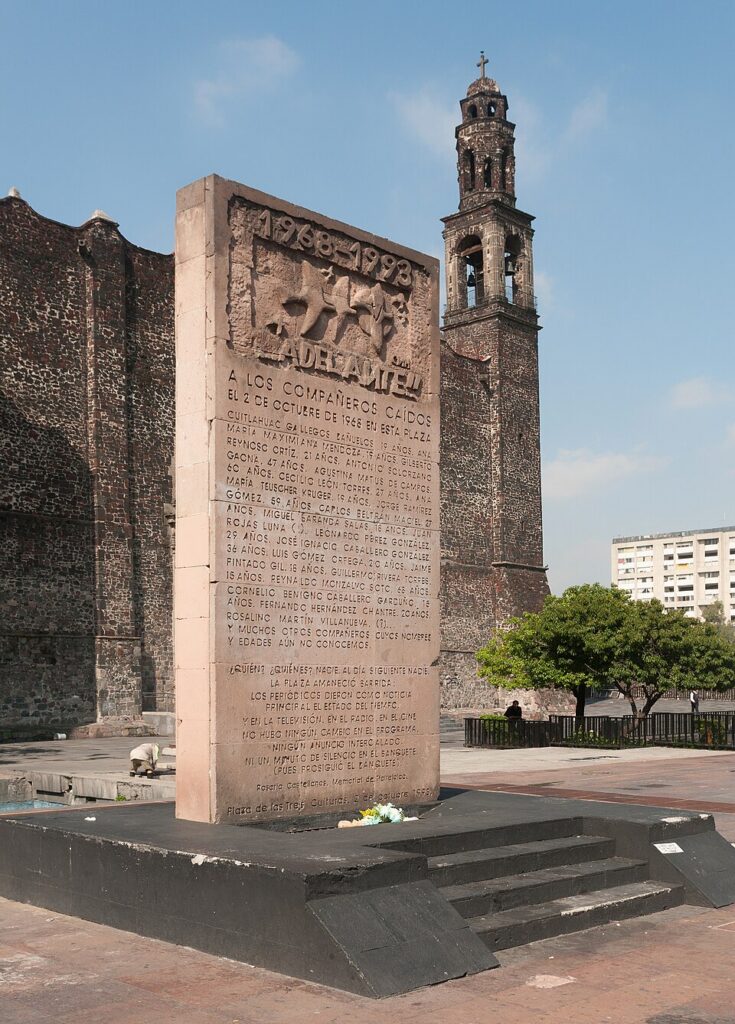
This charged atmosphere inevitably spilled into all facets of the Olympic preparations, including the issuance of commemorative postage stamps. The Mexican Postal Service aimed to celebrate national pride and the Olympic spirit, but their choices in design and iconography became a subtle battleground where art, politics, and protest collided.
Designs and Symbolism of the 1968 Olympic Stamps
Mexico released several series of Olympic stamps in 1968, each intended to showcase the nation’s rich cultural heritage alongside modern athletic achievement. The most iconic design was by architect and graphic artist Lance Wyman, who created the official visual identity for the Games. His work incorporated indigenous motifs, such as the tlatoani (Aztec ruler) head symbol stylized into the Olympic logo, and patterns inspired by ancient Mexican textiles and ceramics.
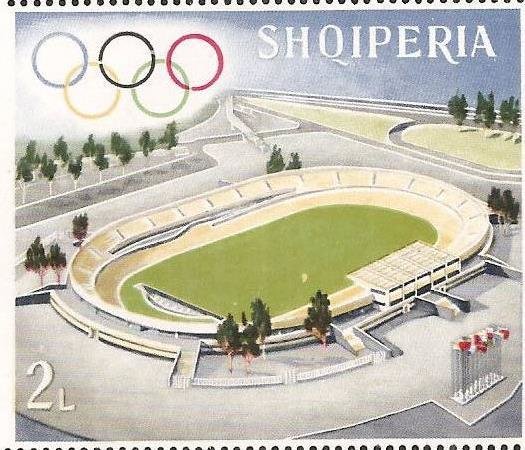

One of the most celebrated stamps depicted a runner in motion, overlaid with geometric patterns referencing pre-Columbian art. Another featured the Olympic rings intertwined with a stylized eagle and serpent, symbols from the Mexican national emblem. These designs stood out for their vibrant colors and modernist aesthetic, blending tradition with contemporary graphic design.
Yet, some critics and observers viewed these artistic choices as politically loaded. To many Mexicans, the use of indigenous symbols was a double-edged sword: while intended to celebrate national identity, it also glossed over the systemic inequalities faced by indigenous communities and marginalized groups. Moreover, the government’s emphasis on Olympic grandeur seemed to overshadow the brutal repression occurring just days before.
Controversies and Public Reaction
The Olympic stamps became an unexpected flashpoint for debate. Philatelists and historians noted several controversies that highlighted tensions between state propaganda and grassroots dissent.
- Government Censorship and Stamp Distribution: After the Tlatelolco massacre, there were reports that the Mexican Postal Service delayed or limited the release of certain stamp issues, particularly those whose designs could be interpreted as critical or reflective of indigenous struggles. Some collectors reported difficulty acquiring specific stamps in Mexico City, while international dealers noted that full sets were more readily available abroad.
- Protest Over Symbolic Appropriation: Indigenous activists and cultural commentators criticized the use of native motifs on official Olympic materials without meaningful engagement with indigenous communities. They argued the stamps commodified cultural heritage for state propaganda, ignoring ongoing social injustices.
- Philatelic Protest and Alternative Issues: In response, some artists and political groups created unofficial ‘cinderellas’—stamps or labels resembling postage stamps—that depicted scenes of the student protests, the Tlatelolco massacre, or symbols of resistance. These items circulated covertly among collectors and activists as acts of protest against the government’s narrative.
One poignant anecdote involves Mexican artist José Luis Cuevas, who designed a series of unofficial labels featuring stark black-and-white images of protestors and slogans like “¡Justicia para Tlatelolco!” (Justice for Tlatelolco). These circulated in underground networks, becoming collector’s items that documented a suppressed chapter of history.

The Role of Philately in Reflecting and Resisting Political Narratives
Stamps are often seen as benign postal commodities, but the 1968 Mexico City Olympic stamps illustrate how they can serve as powerful tools of national narrative—and counter-narrative. The official stamps sought to project an image of unity, cultural pride, and international prestige. Yet, the controversies revealed the dissonance between this polished image and the lived realities of many Mexicans.
For philatelists, the 1968 Olympic issues offer a compelling study in how political context shapes stamp production, distribution, and reception. Collectors interested in this period should consider the following practical tips:
- Verify Provenance: Given the proliferation of unofficial and protest labels, ensure that Olympic stamp acquisitions are authenticated through trusted catalogs or specialist dealers.
- Explore Postal History: Seek out covers and postmarks related to the 1968 Olympics, as these can provide additional context on postal usage amid the political climate.
- Research Artist Backgrounds: Understanding the designers, such as Lance Wyman’s role and indigenous artists’ critiques, can enrich appreciation of the stamps’ layered meanings.
Anecdotes from the Field: Collectors and Historians Weigh In
In 2018, during the 50th anniversary of the Mexico City Olympics, a special philatelic exhibition was held at the National Postal Museum in Mexico City. Veteran collector Ana María López recounted her experience attempting to complete a full set of the 1968 Olympic stamps during the tense weeks following the Games’ opening. She described how some stamps were conspicuously missing from local post offices, leading her to seek international dealers in Europe and the United States to fill gaps.
Meanwhile, historian Carlos Ramírez published an influential article analyzing how the Olympic stamps functioned as visual propaganda. He noted that while the designs celebrated Mexican heritage, they simultaneously obscured the violent political realities, effectively sanitizing history in the eyes of the global audience.
These testimonies underscore the complex interplay between art, politics, and collecting, reminding us that stamps are not merely collectibles but artifacts shaped by and shaping historical narratives.
Visual Summary — Article in Motion
Legacy and Lessons for Collectors and Historians
The 1968 Mexico City Olympic stamps remain a vibrant example of how philatelic issues can encapsulate broader societal dynamics. Collectors and scholars examining these stamps gain insight into Mexico’s struggle to reconcile national pride with political repression and cultural authenticity.
For those interested in Olympic philately, the 1968 Mexican issues challenge us to look beyond surface aesthetics and consider the historical context and power structures influencing design and distribution. They also highlight the potential of stamps as mediums of protest and memory, preserved in the hands of dedicated collectors.
In preserving and studying these stamps, philatelists contribute to a richer, more nuanced understanding of history—one where art, politics, and social movements converge on the small canvas of a postage stamp.