Watch the video
Diego Rivera and the Cultural Renaissance of 1930s Mexico
The 1930s marked a transformative period in Mexico’s cultural and political landscape, a decade that witnessed the flourishing of the Mexican muralism movement. At the forefront was Diego Rivera, whose monumental murals celebrated indigenous heritage, revolutionary history, and social justice. Rivera’s art was not confined to gallery walls; it permeated public consciousness and became a visual manifesto of national identity. This pervasive influence naturally extended into other media, including the design of postage stamps during the decade, turning these miniature canvases into powerful conveyors of Mexico’s evolving narrative.
Characteristics of Rivera’s Style Reflected in Postal Design
Rivera’s style was characterized by bold lines, vivid colors, and a composition that emphasized the dignity of the working class and indigenous peoples. These features translated well into stamp design, which demands clarity and impact at a small scale. Mexican postal authorities in the 1930s began incorporating Rivera’s muralist themes into stamp imagery, using simplified yet striking forms that echoed his visual language.
Key elements of Rivera’s influence on stamp design include:
- Social realism: Depicting everyday people—farmers, artisans, laborers—as central figures.
- Symbolic motifs: Indigenous iconography and revolutionary emblems that elevated national pride.
- Dynamic composition: Scenes filled with movement and narrative energy, even within the tiny stamp format.
- Color palette: Use of earthy tones and primary colors that resonate with Rivera’s murals.
The 1934 Stamp Series Honoring Mexican Industry and Labor
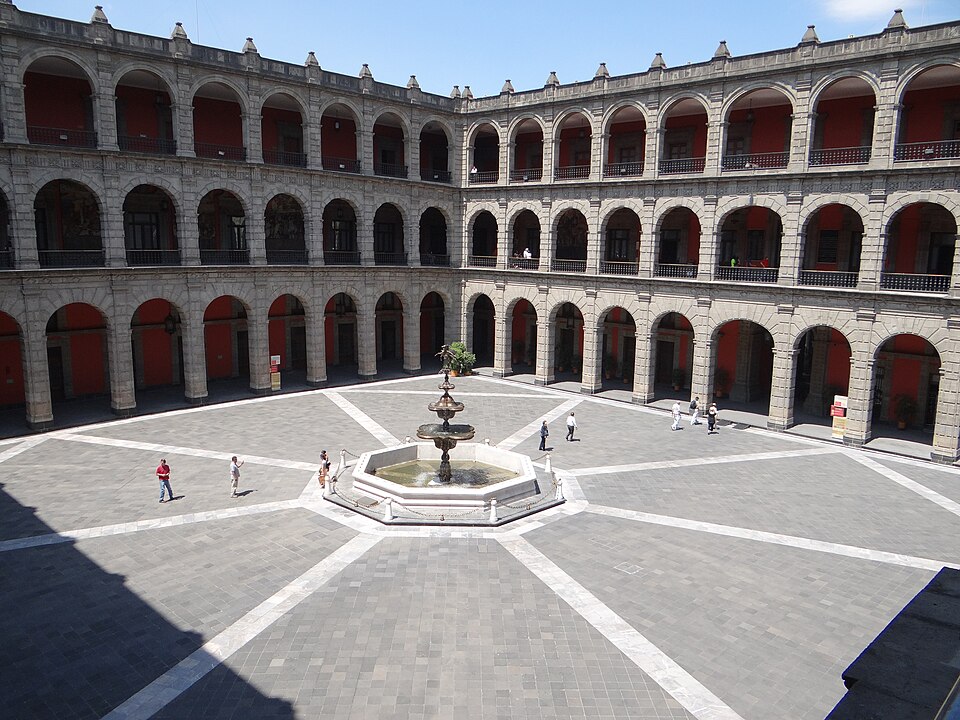
One of the most illustrative examples of Rivera’s influence appeared in the 1934 Mexican stamp series that celebrated industry and labor. Designed under the auspices of the Secretaría de Comunicaciones y Obras Públicas (Ministry of Communications and Public Works), the series featured motifs reminiscent of Rivera’s murals in the National Palace of Mexico City.
The stamps portrayed workers engaged in agriculture, mining, and factory work, rendered with strong outlines and simplified forms. The imagery emphasized the collective effort of the Mexican people in nation-building, a core theme in Rivera’s work. Philatelist Carlos Mendoza recalls acquiring a complete set of this series in 1978, noting the vividness of the colors and the way the stamps communicated a proud social message.
“Each stamp felt like a miniature mural,” he remarked, highlighting the seamless translation of mural art to stamp design.
Rivera’s Direct Contributions and Collaborations
While Rivera did not personally design postage stamps, his collaborations with government institutions and artists facilitated the integration of his aesthetic into official imagery. In 1933, Rivera worked on a project with the Ministry of Public Education (SEP) to produce educational materials that included stamps and posters. Through these collaborations, his stylistic influence was deliberately channeled into the visual language of public communications.
Notably, the 1935 stamp commemorating the Mexican Revolution’s 25th anniversary featured a design by Rivera’s contemporary and collaborator, José Clemente Orozco, who shared similar muralist ideals. The bold, angular forms and social themes resonated strongly with Rivera’s approach, underscoring a movement-wide convergence rather than isolated influence.
Anecdote: Rivera’s Mural ‘Man at the Crossroads’ and Its Postal Echo
In 1933, Rivera was commissioned to paint a mural for the Rockefeller Center in New York, titled Man at the Crossroads. Though ultimately destroyed due to its political content, the mural became emblematic of Rivera’s commitment to social themes. The imagery of the worker at the center of history was echoed in Mexican postage stamps shortly after, where workers and their tools were central motifs, asserting a shared global narrative of labor and progress.
The Role of Postal Art in Shaping National Identity
Postage stamps serve as a unique medium where art, politics, and communication intersect. In 1930s Mexico, stamps became tools in the state’s effort to forge a cohesive national identity post-revolution. By adopting Rivera-inspired aesthetics, the stamps projected a vision of Mexico rooted in indigenous heritage and the valorization of labor.
This approach contrasted with earlier Mexican stamps that often depicted European-style portraits and conservative motifs. The muralist influence democratized postal imagery, making it accessible and meaningful to a broad public, reinforcing pride and unity.
Practical Tip for Collectors: Identifying Rivera-Influenced Stamps
For philatelists interested in exploring this niche, look for stamps issued between 1932 and 1940 that feature strong, bold lines, vibrant colors, and depictions of workers or indigenous themes. The 1934 Industrial series and the 1935 Revolution commemorative are key starting points. Seeking out official postal archives or catalogs from the era can provide insights into the artists involved and the government’s messaging goals.
Legacy of the 1930s Mexican Postal Art Movement[1]
The fusion of Rivera’s muralist style with Mexican stamp design set a precedent for later postal issues that continued to engage with social and political themes through art. This period remains a high point in Mexican philately, prized by collectors and historians alike for its artistic innovation and cultural resonance.
Moreover, the stamps provide tangible, portable pieces of history—miniature murals that circulated nationally and internationally, spreading Mexico’s revolutionary ideals and artistic achievements far beyond its borders.
Anecdote: Collecting Rivera-Influenced Stamps in Mexico City’s Historic Center
In the bustling Mercado de Sonora in Mexico City, a renowned hub for stamp dealers, long-time vendor Juana Pérez recounts how older collectors prized 1930s Rivera-inspired stamps not only for their rarity but for their storytelling power.
“These stamps are windows into our past, carrying the spirit of our people and the hands that built this nation,” she explains. Juana advises novice collectors to handle these vintage stamps with care due to their delicate printing techniques and to seek expert appraisals to ensure authenticity.
Conclusion
The 1930s Mexican Postal Art Movement stands as a testament to the profound impact Diego Rivera’s muralist vision had beyond traditional fine art, permeating the smallest and most widely circulated form of visual communication: postage stamps. By marrying Rivera’s bold aesthetics with powerful social narratives, Mexican stamps of this era became vibrant emblems of national identity and cultural pride. For philatelists and art historians, these stamps offer a unique lens through which to appreciate the intertwining of art, history, and politics during a pivotal decade in Mexico’s development.
Visual Summary — Article in Motion
References
- National Postal Museum, Smithsonian Institution, Mexican Postal History, 2020 https://postalmuseum.si.edu/mexican-postal-history