Watch the video
The 1897 Indian Court Postage Stamps at the Paris Exposition
In 1897, the Indian Court at the Exposition Universelle in Paris[1] offered a unique window into the British Raj’s imperial ambitions and cultural narrative, with postage stamps serving as both functional artifacts and powerful symbols. This exhibition was not merely a display of postal memorabilia; it was a carefully crafted presentation of colonial authority, technological progress, and cultural identity to the world’s elite. The Indian postage stamps showcased at the event were emblematic of this dual role, blending artistry with political messaging.
Context of the 1897 Paris Exposition and the Indian Court
The 1897 Exposition Universelle was a world’s fair designed to celebrate the achievements of the 19th century and promote international cooperation and progress. Among the many national pavilions, the Indian Court stood out for its elaborate architecture and rich cultural exhibits, designed to evoke the grandeur of India under British rule.
Conceived by Sir George Birdwood, a noted curator and expert on Indian arts, the Indian Court was intended to display the subcontinent’s diverse crafts, textiles, and artifacts, while underscoring the civilizational mission of the British Empire. The inclusion of postage stamps within this tableau was strategic: stamps were practical emblems of modern administration and communication, but also miniature canvases conveying imperial symbolism.
Design and Symbolism of the 1897 Indian Court Stamps
The postage stamps issued for the Indian Court in 1897 featured a range of designs that merged traditional Indian motifs with imperial iconography. Most notably, the stamps incorporated the portrait of Queen Victoria, whose image reinforced the authority of the British Crown as sovereign over India. Surrounding this imperial portrait were ornate borders inspired by Mughal and Rajput artistic styles, harmonizing British power with Indian aesthetics.
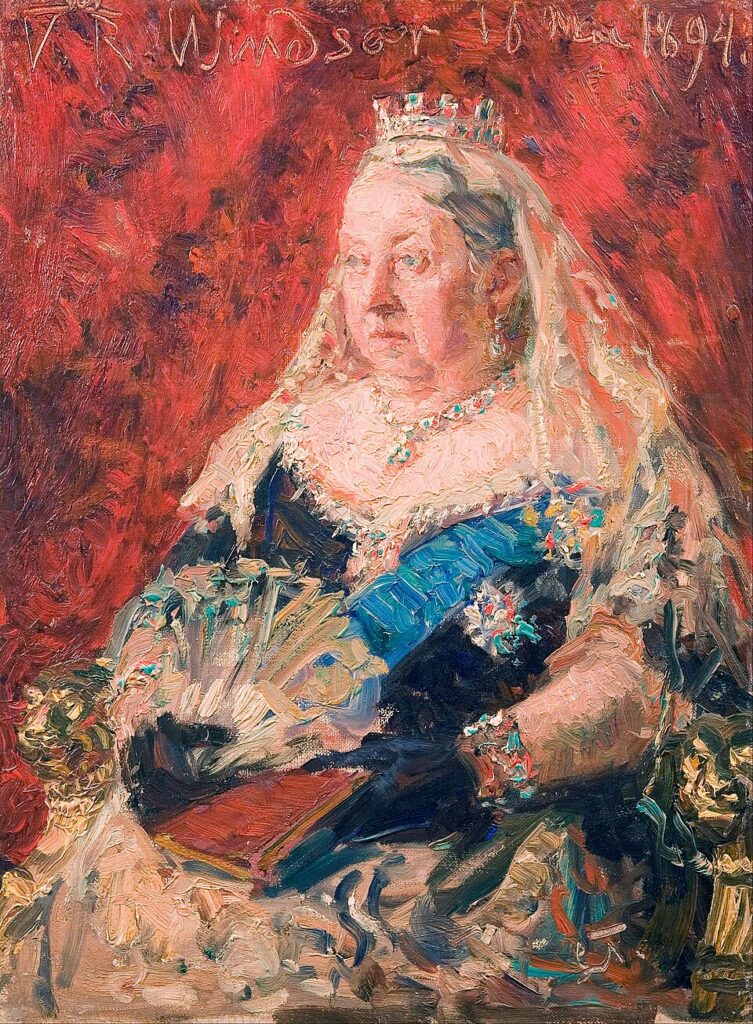
One particularly striking issue was the ½ anna stamp depicting Queen Victoria framed by a lotus motif—an emblem deeply rooted in Indian culture and spirituality. This careful integration served not only to appeal aesthetically but also to convey a message of British stewardship that respected indigenous traditions while asserting dominance.
Technical Innovation and Printing Excellence
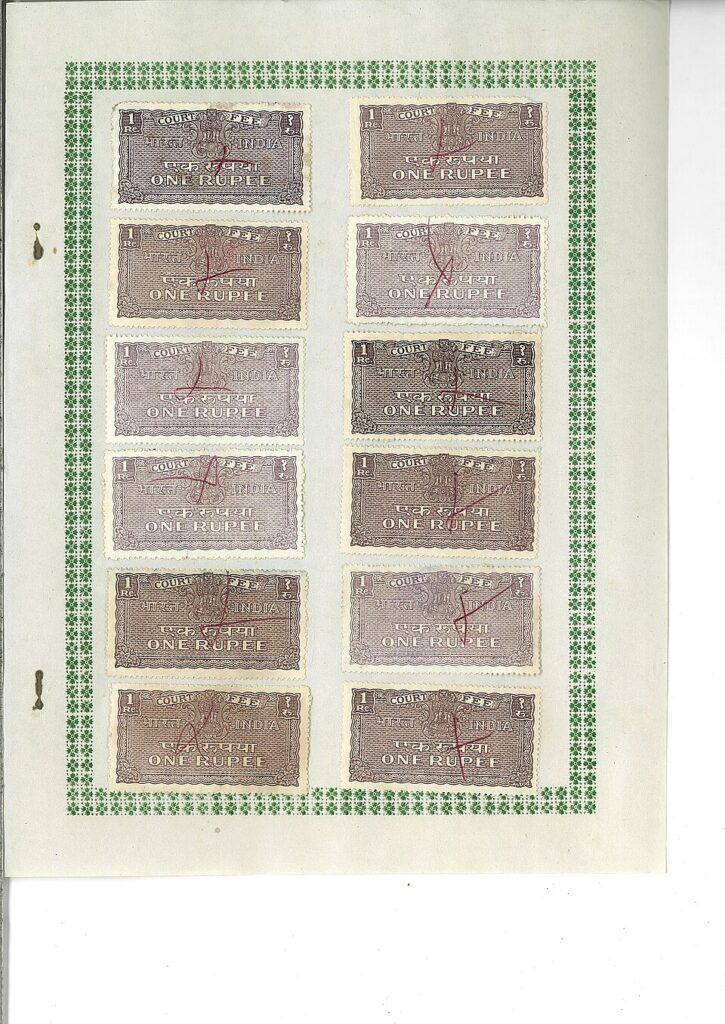
The production of the 1897 Indian Court stamps also highlighted advances in printing technology. Printed by De La Rue in London[2], these stamps used intaglio and typography techniques to produce fine details and vibrant colors. The use of rich hues such as deep green, crimson, and ultramarine added to their visual impact, making them prized by collectors and visitors alike at the exposition.
Philatelic Impact and Collecting Anecdotes
The Indian Court stamps quickly became sought-after items among philatelists worldwide. At the Paris Exposition, a remarkable incident involved a French collector named Pierre Dubois[3], who traveled to the Indian Court specifically to obtain a complete set. He later recounted how the meticulous engraving and cultural fusion embodied in the stamps elevated them beyond mere postal tools to objects of art and historical testimony.
Another vivid anecdote centers on Lady Elphinstone, the wife of the then Governor of Bombay[4], who ceremonially mailed the first letters bearing these stamps from the Indian Court’s on-site post office. This event was widely reported in contemporary newspapers, further boosting the stamps’ profile and embedding them in the lore of colonial postal history.
Colonial Power and Cultural Representation Through Stamps
Philatelic issues such as the 1897 Indian Court series offer a rich lens through which to examine the British Empire’s self-fashioning. The stamps were more than mere postage; they were instruments of visual propaganda. By juxtaposing Queen Victoria’s image with Indian artistic elements, the series subtly communicated the narrative of benevolent imperial rule—a fusion of tradition and modernity under British guidance.
However, this representation was selective and orchestrated. It glossed over the complexities and contestations of colonial rule, instead presenting a sanitized, harmonious vision designed for a European audience. Such philatelic artifacts thus remind us to approach colonial-era cultural expressions with a critical eye, balancing appreciation for their craftsmanship with awareness of their political context.
Practical Tips for Collectors Interested in the 1897 Indian Court Stamps
- Authenticity Verification: Due to their popularity, forgeries exist. Collectors should examine watermarks, perforation details, and printing quality under magnification and consult specialized catalogs such as the “Stanley Gibbons India & States” edition.
- Condition Matters: Mint condition stamps with original gum command higher prices, but used stamps with clear cancellations from the Indian Court’s Paris post office are especially prized for historical significance.
- Provenance Research: Acquiring stamps with documented provenance, such as auction records or exhibition certificates, enhances both value and scholarly interest.
Legacy of the 1897 Indian Court Stamps
The 1897 Indian Court postage stamps remain enduring artifacts of a pivotal moment when the British Empire sought to project its power and cultural narrative on the world stage. Today, these stamps are treasured for their artistic merit and as tangible testimonies to colonial history. They continue to fascinate historians, philatelists, and art collectors alike, offering rich stories embedded in their tiny frames.
Beyond their immediate historical context, these stamps serve as reminders of how objects as small as postage stamps can encapsulate complex intersections of politics, culture, and identity—an intimate, visual narrative of imperial ambition conveyed through the everyday act of mailing a letter.
Visual Summary — Article in Motion
References
- Museum of the Indian Court, British Library, "The Indian Court at the 1897 Paris Exposition", British Library, 2019 https://www.bl.uk/collection-guides/indian-court-at-the-paris-exposition
- Stanley Gibbons, "India & States Stamp Catalogue", Stanley Gibbons Ltd, 2020 https://www.stanleygibbons.com/
- Pierre Dubois, "Memoirs of a Philatelist", Paris, 1923
- "The Times", London, May 15, 1897, "Lady Elphinstone at the Indian Court"