Watch the video
The Historical Context of the Warsaw Ghetto Uprising
The Warsaw Ghetto Uprising of 1943 stands as one of the most poignant and heroic acts of resistance during World War II. Amidst the brutal Nazi occupation of Poland, the Jewish inhabitants of the Warsaw Ghetto faced unimaginable oppression, starvation, and extermination. The uprising was not only a fight for survival but also a powerful assertion of dignity and humanity against systematic genocide. Within this context, communication played a vital role—not just for coordination of resistance efforts but also for preserving a lifeline of hope. Underground postal systems became an essential tool for the fighters and civilians alike, enabling clandestine correspondence that defied Nazi attempts to silence them.
Understanding Underground Postal Systems in Oppressive Regimes
Throughout history, oppressed communities have often relied on covert communication networks to maintain morale, organize resistance, and document atrocities. The Warsaw Ghetto’s underground postal system was no exception. Operating under constant threat of discovery and execution, these secret mail services were intricate operations that blended ingenuity and courage.
How the Underground Postal System Functioned
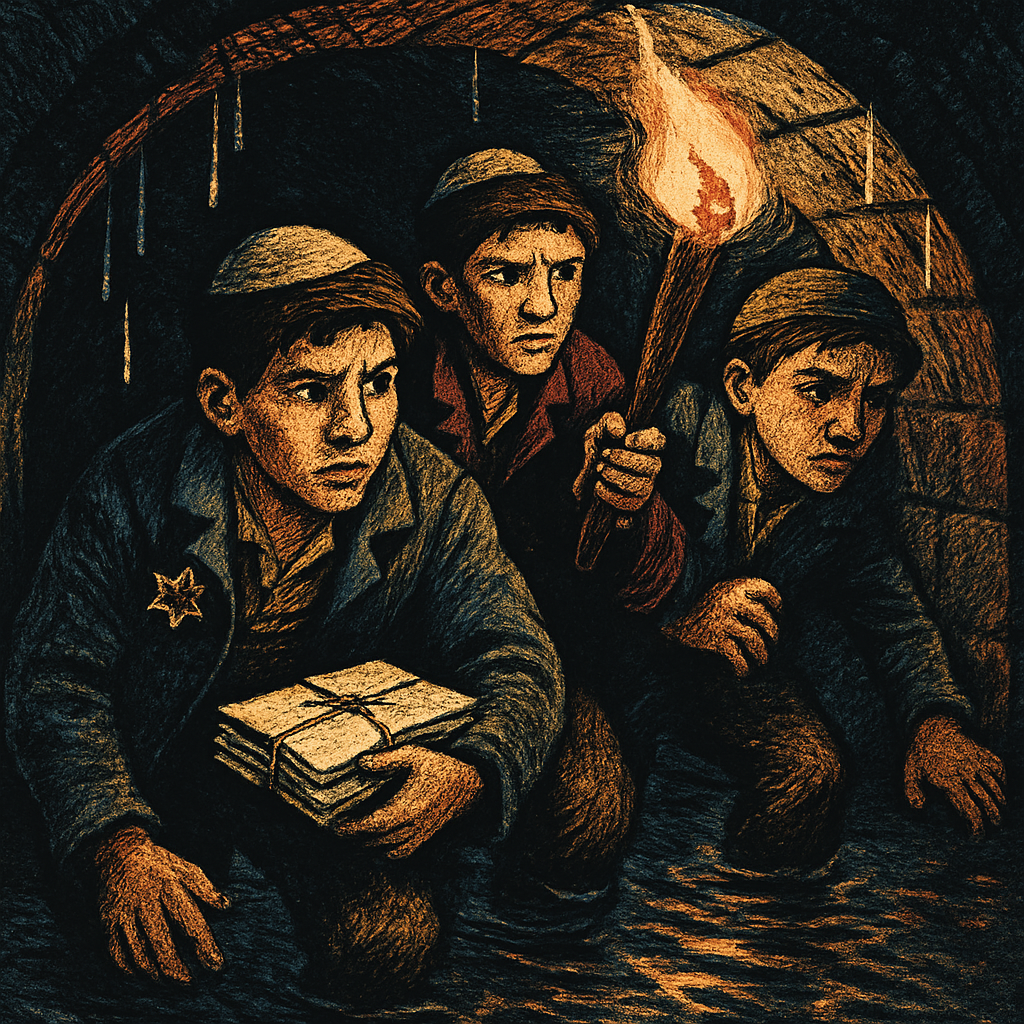
The underground postal system within the Warsaw Ghetto was a complex web of couriers, safe houses, and hidden drop points. Messages were often handwritten on scraps of paper or other makeshift materials due to the scarcity of resources. Couriers—many of them young and risking their lives—carried letters through hidden passages, sewers, and even disguised as Nazi personnel to evade detection.
Despite the scarcity of official postal supplies, the underground network sometimes used forged or specially created stamps and markings to authenticate and conceal their correspondence. These stamps, though unofficial, carried immense symbolic weight, representing defiance and solidarity.
The Role of Stamps: More Than Just Postage
Stamps are often seen merely as tools for postage, but within the context of the Warsaw Ghetto Uprising, they took on a far deeper significance. The stamps and postal markings used in clandestine mail symbolized resilience, identity, and the undying spirit of a community under siege.
Historical Facts About Ghetto Stamps
- Homemade and Forged Stamps: Due to restrictions, many stamps were handmade or forged by resistance members. These stamps often featured symbolic imagery or slogans that bolstered morale.
- Hidden Messages: Some stamps and envelopes contained coded messages or secret symbols recognizable only to members of the resistance.
- Preservation of Identity: The use of Jewish motifs and Hebrew inscriptions on stamps helped maintain cultural identity amidst efforts to erase it.
Interesting Anecdotes
One documented story tells of a courier who ingeniously disguised a letter within a loaf of bread, complete with a handmade stamp, successfully delivering intelligence to outside resistance groups. Such acts highlight the creativity and bravery involved in maintaining communication networks.
Collector Tips: Preserving and Appreciating Ghetto Uprising Postal History
For philatelists and historians, stamps and postal artifacts from the Warsaw Ghetto Uprising are invaluable relics. They offer a tangible connection to a deeply moving chapter of human history. Collecting and preserving these items requires knowledge, sensitivity, and ethical consideration.
Authenticity and Provenance
- Due to the rarity and historical significance, authentic ghetto stamps and covers are highly prized but often subject to forgery. Seek expert authentication from recognized philatelic societies specializing in Holocaust-era postal history.
- Provenance—documented history of the item’s origin—is crucial. Items with clear backgrounds tied to survivors or reputable collections hold higher value and significance.
Storage and Preservation
- Use acid-free materials and UV-protective frames to prevent deterioration of paper and ink.
- Handle with clean gloves to avoid oils and dirt compromising fragile documents.
Ethical Considerations
Collectors should approach these artifacts with respect, recognizing their profound historical context and the human suffering they represent. Supporting museums or educational initiatives that promote remembrance can be a meaningful way to honor this legacy.
The Lasting Legacy of the Underground Postal System
The secret mail of the Warsaw Ghetto Uprising was more than a means of communication; it was a lifeline of resistance and hope. These clandestine postal efforts symbolized the indomitable spirit of those who refused to be silenced. Today, the stamps and letters that survived serve as powerful reminders of courage in the face of tyranny.
For modern collectors and historians, these artifacts offer not only a glimpse into the past but also an enduring testament to the resilience of the human spirit. By preserving and studying these postal relics, we keep alive the voices of those who fought bravely in the darkest of times.
Visual Summary — Article in Motion
Conclusion
The underground postal systems during the Warsaw Ghetto Uprising represent a remarkable chapter in philatelic and world history. Through secret mails and symbolic stamps, the oppressed conveyed messages of resistance, unity, and hope. As collectors and enthusiasts, honoring these silenced voices through preservation and education helps ensure their stories endure for generations to come.