Watch the video
Introduction to Record-Breaking Stamp Auctions
Stamp collecting, or philately, has long been a passionate pursuit for millions around the world. Beyond the simple charm of tiny, adhesive pieces of paper, some stamps have transcended their humble origins to become coveted treasures commanding prices in the millions. Record-breaking stamp auctions reveal not only the monetary value of these rarities but also rich stories of history, artistry, and dedicated collectors. This article explores the world’s most valuable stamps, the fascinating tales behind their provenance, and expert insights into why these philatelic gems captivate collectors and investors alike.
The Historical Significance of Rare Stamps
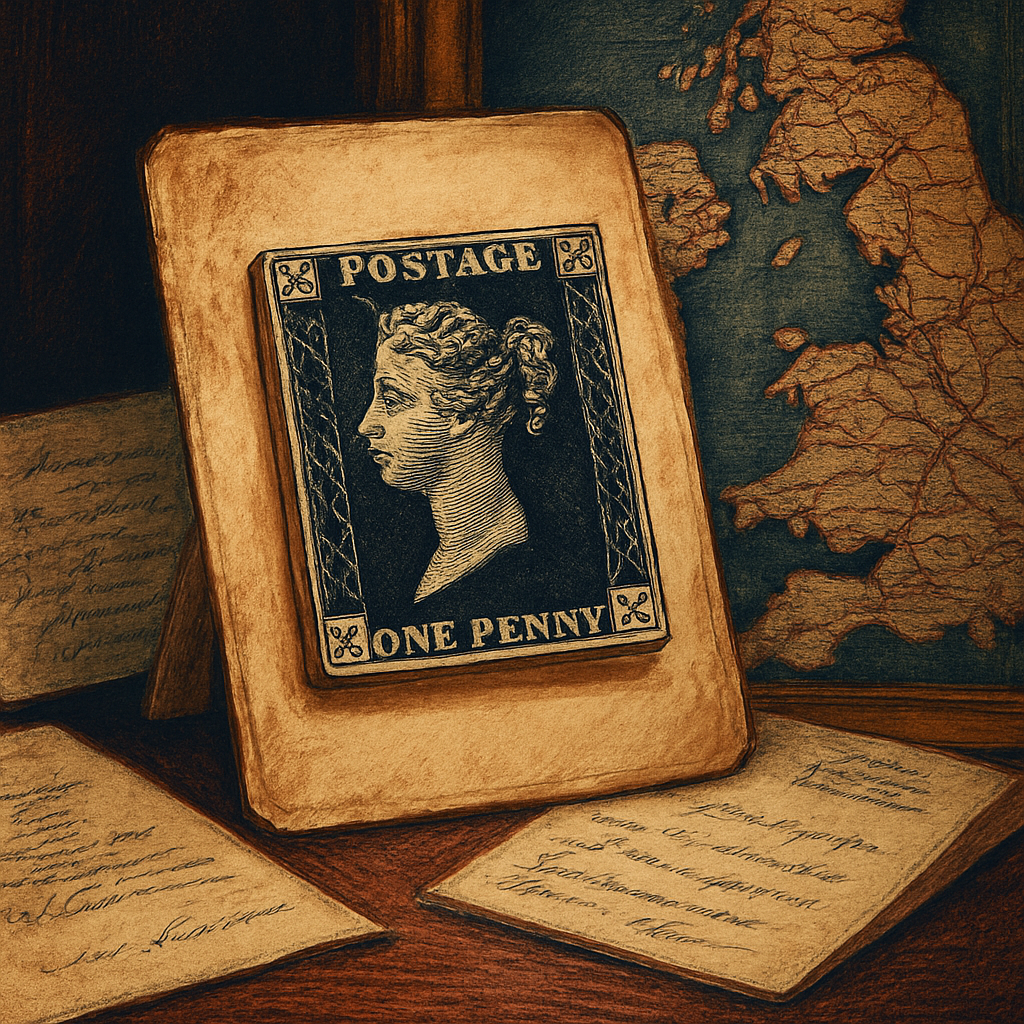
Stamps are miniature windows into the culture, politics, and technological advancements of their time. The earliest stamps, such as the iconic Penny Black issued by the United Kingdom in 1840, mark the inception of postal systems and mass communication. Over time, specific stamps gained rarity due to limited print runs, errors, or unique features, making them prized collectibles.
Understanding the historical context is key to appreciating why these items fetch extraordinary sums. For example, some stamps were printed during pivotal moments in history or bear the marks of famous postal routes and events. These aspects contribute to their desirability and immense value at auction.
The Penny Black: The Beginning of Philately
The Penny Black is widely regarded as the world’s first adhesive postage stamp. Issued on May 1, 1840, it revolutionized communication by standardizing postage costs. Though many Penny Blacks exist today, stamps in pristine condition or with unique cancellations can command significant sums. This stamp laid the foundation for the global hobby of stamp collecting and set the stage for future rarities.
Top Record-Breaking Stamps and the Stories Behind Them
Several stamps have achieved legendary status in auction history. Their multimillion-dollar sales are often the result of exceptional rarity, pristine condition, and remarkable provenance. Here we delve into some of the most famous examples.
The British Guiana 1c Magenta
Known as the “rarest stamp in the world,” the British Guiana 1c Magenta was issued in 1856 in limited quantities due to a shortage of stamps. Only one example is known to survive, making it uniquely valuable. This small, diamond-shaped stamp features a sailing ship and the colony’s motto, “Damus Petimus Que Vicissim” (We give and expect in return).
The stamp’s ownership history reads like a who’s who of collectors, including prominent figures such as John E. du Pont and the renowned collector Arthur Hind. In 2014, it sold for an astonishing $9.48 million at Sotheby’s, setting a record for the highest price paid for a single stamp at auction.
The Treskilling Yellow
Another legendary rarity is Sweden’s Treskilling Yellow, an 1855 stamp originally printed in green but mistakenly produced in yellow. Only one copy is known to exist, making it a coveted item among philatelists. Its unique color error and scarcity have driven prices up to several million dollars. The story of this stamp underscores how printing errors can create some of the most valuable collectibles.
The Inverted Jenny
The Inverted Jenny is an American classic that has fascinated collectors for decades. Issued in 1918, this 24-cent stamp depicts a Curtiss JN-4 airplane, but a printing error caused the airplane to be inverted relative to the frame. Only 100 of these error stamps were released, and their rarity and striking appearance have made them highly prized.
Individual Inverted Jenny stamps have sold for hundreds of thousands of dollars, and complete sheets have commanded prices exceeding $4 million. The stamp’s story also includes tales of theft, recovery, and meticulous cataloging by philatelic experts.
What Drives the Value of High-End Stamps?
Several factors contribute to why some stamps achieve record-breaking prices at auction. Collectors and investors evaluate these characteristics carefully:
- Rarity: The fewer copies of a stamp known to exist, the more valuable it is likely to be.
- Condition: Pristine, well-centered stamps with intact perforations and original gum command premium prices.
- Provenance: A documented history of previous owners, especially if notable collectors or historical figures are involved, adds allure.
- Historical Importance: Stamps connected to significant events, errors, or innovations in postal history are highly sought.
- Demand Among Collectors: Trends within the philatelic community and global interest influence prices.
Condition and Grading
Professional grading services assess stamps on factors such as centering, color vibrancy, gum condition, and absence of faults. High grades can exponentially increase a stamp’s auction value. For example, a perfectly centered Penny Black can be worth many times more than one with off-center printing.
Provenance and Its Impact
Stamps with illustrious ownership histories often attract greater interest. The British Guiana 1c Magenta’s association with famous collectors adds a narrative that collectors cherish. Auction houses emphasize provenance to build excitement and justify high estimates.
Famous Collectors Behind the Record Sales
The stories behind these auctions often highlight the passion and expertise of legendary collectors.
Arthur Hind: The Pursuit of Perfection
Arthur Hind was a textile magnate and one of the most influential philatelists of the early 20th century. His obsession with the British Guiana 1c Magenta led him to acquire it in 1922 for a then-record price. Hind’s relentless pursuit of rare stamps and his meticulous care helped preserve some of the world’s most treasured philatelic items.
John E. du Pont: A Collector’s Controversial Legacy
John E. du Pont, heir to the du Pont fortune, owned the British Guiana 1c Magenta for a time. His passion for stamps was well-known, though overshadowed by his later controversies. His stewardship of the stamp added to its mystique and provenance when it was sold to new owners.
Other Notable Collectors
Many other prominent collectors have contributed to the stories of record-breaking stamps, such as Philipp von Ferrary, whose collection was one of the most comprehensive ever assembled, and Bill Gross, a modern philatelist who has paid millions for rare pieces.
Tips for Collectors Interested in High-Value Stamps
Entering the world of premium philately requires knowledge, patience, and strategy. Here are some expert tips for those aspiring to collect valuable stamps:
- Research Extensively: Learn about stamp history, printing methods, and notable errors. Specialized catalogs and auction archives are excellent resources.
- Buy from Reputable Dealers: Ensure authentication and provenance by purchasing from trusted sources.
- Focus on Condition: Seek stamps with superior grading to maximize investment potential.
- Understand Market Trends: Monitor auctions and sales to gauge demand and pricing fluctuations.
- Consider Provenance: Stamps with documented histories often retain value better.
- Preserve Properly: Protect stamps from light, humidity, and handling damage using archival materials.
Investing in Stamp Displays
For collectors who acquire rare stamps, displaying them elegantly is both a matter of pride and preservation. Custom handcrafted framed stamp displays, such as those offered by Obelisk Stamps, provide a secure and aesthetically pleasing way to showcase prized collections. These displays protect stamps from environmental damage while enhancing their visual appeal, making them ideal for serious collectors and enthusiasts.
The Future of Record-Breaking Stamp Auctions
As global wealth grows and interest in alternative investments increases, the market for rare stamps continues to thrive. Digital innovations like online auctions and virtual galleries expand access to philately worldwide. However, the core values of rarity, history, and condition remain paramount.
Moreover, the stories behind these stamps—their journeys through time, the hands they’ve passed through, and the historical moments they represent—ensure that record-breaking auctions will continue to captivate both collectors and the broader public.
Visual Summary — Article in Motion
Conclusion
Record-breaking stamp auctions are more than mere transactions; they are celebrations of history, art, and human passion. From the British Guiana 1c Magenta’s unparalleled rarity to the thrilling tale of the Inverted Jenny, these stamps embody stories that enrich their value beyond money. For collectors, understanding the provenance, condition, and historical significance of these treasures is key to appreciating why they command millions. Whether you are a seasoned philatelist or a curious enthusiast, the world of high-value stamps offers endless fascination and rewarding opportunities.