Watch the video
The Prague Spring: A Brief Political Flourishing
The Prague Spring of 1968 stands as one of the most poignant episodes in Cold War history, symbolizing a nation’s aspiration for political liberalization and reform within the rigid framework of Soviet control. Beginning in January 1968, under the leadership of Alexander Dubček, Czechoslovakia embarked on an ambitious program to introduce “socialism with a human face.” This period promised greater freedom of speech, press, and movement, alongside economic and political reforms aimed at decentralizing the government. However, these hopes were brutally curtailed when Warsaw Pact troops invaded Czechoslovakia in August 1968, suppressing the reforms and reinstating hardline Soviet dominance.
Postal History of Czechoslovakia Before 1968
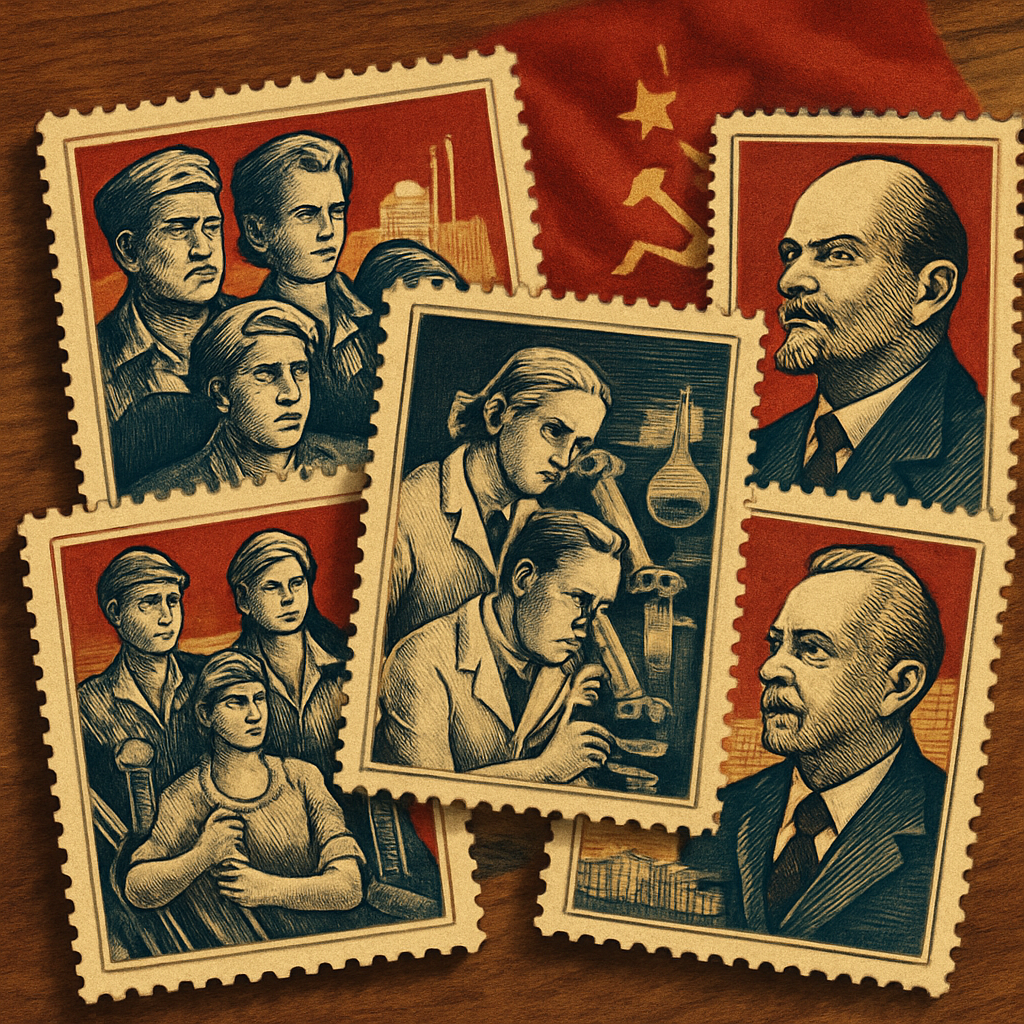
To understand the significance of the Prague Spring in philatelic terms, it is essential to examine the postal history leading up to 1968. Czechoslovakia, established in 1918, quickly developed a vibrant stamp-issuing program, reflecting its national identity, culture, and political shifts. Post-World War II stamps often celebrated socialist achievements and Soviet alliances, featuring workers, scientists, and iconic socialist imagery.
By the 1950s and early 1960s, Czechoslovak stamps typically projected a narrative aligned with the Eastern Bloc’s ideology. Themes included industrial progress, socialist realism art, and commemoration of communist leaders. The postal design was controlled carefully to reinforce political loyalty, with little room for dissent or alternative voices.
Stamps as Political Tools
In the tightly controlled communist state, postage stamps were more than just functional items—they were instruments of propaganda. The government used stamps to broadcast its values and achievements domestically and internationally. For example, stamps issued during the 1950s celebrated anniversaries of the Communist Party and Soviet-Czechoslovak friendship treaties, reinforcing the political alliance and socialist unity.
The Prague Spring Reflected in Stamps
During the short-lived Prague Spring, the liberalization atmosphere permeated many aspects of Czech society, including philately. Although the reform period lasted only eight months, the impact on stamp issues and postal policies was notable.
Relaxation of Censorship and New Themes
One of the hallmarks of the Prague Spring was the relaxation of censorship, which extended to the postal system. The government allowed more diverse cultural and political expressions, leading to stamps that embraced broader themes beyond socialist realism. For example, there were increased depictions of Czech literature, art, and historical figures unconnected to communist ideology.
Though few stamps were issued directly celebrating the Prague Spring reforms due to the brevity of the period, the general tone of philatelic issues became more open and reflective of national identity rather than strictly Soviet-aligned propaganda.
Postal Freedom and Increased Exchange
During this time, there was a noticeable increase in international mail and philatelic exchange, as Czechoslovakia’s borders became less restrictive. Stamp collectors and postal historians recognize this period as one of heightened openness, where foreign philatelic materials entered the country more freely, and Czech stamps circulated more widely abroad.
The Soviet Invasion and Its Immediate Impact on Postal Issues
On the night of August 20–21, 1968, Warsaw Pact troops invaded Czechoslovakia, bringing the Prague Spring to a violent end. This suppression was swiftly reflected in the postal sphere.
Censorship Reinstated
The reimposition of strict censorship meant that all postal communications were monitored again, and any expressions of dissent stamped out. Postal authorities withdrew any stamps or materials considered sympathetic to reformist ideas. The postal system became a tool once again for the hardline communist regime to reinforce Soviet dominance.
Stamps Erasing the Prague Spring
Philatelic issues following the invasion reverted to traditional socialist themes emphasizing Soviet friendship and the restoration of “order.” Notably, there were no commemorative issues marking the brief reform period, and any items or mail referencing the Prague Spring were subject to confiscation or destruction.
Collector Insights: Identifying Prague Spring Era Stamps
For philatelists interested in this turbulent period of Czech history, collecting stamps before, during, and after 1968 offers fascinating insights into political shifts.
- Look for thematic shifts: Stamps from early 1968 often feature more diverse cultural themes compared to the rigid socialist motifs of previous years.
- Postal cancellations and covers: Mail sent during the Prague Spring may have unique postmarks or censorship markings reflecting the political climate.
- Propaganda vs. reformist imagery: Comparing stamps issued immediately before and after August 1968 reveals the stark contrast in ideological messaging.
- Restricted issues: Some stamps or postal materials from the reform period were withdrawn or destroyed, making surviving examples rare and valuable.
Preservation Tips
Given the historical significance, collectors should handle Prague Spring-era postal items with care. Authenticity is crucial, so seeking expert verification and provenance documentation is recommended, especially for rarer items like censored covers or limited print runs.
Commemorations and Legacy in Later Czech Stamps
In the decades following the Prague Spring, official Czechoslovak stamp issues avoided direct reference to the events of 1968 due to ongoing political sensitivity. However, after the Velvet Revolution of 1989 and the subsequent Czech Republic’s independence, the Prague Spring was revisited and commemorated more openly.
Post-1989 Stamp Issues
The post-communist era saw the release of stamps celebrating democratic values, national heroes, and historical milestones, including those related to the Prague Spring. These issues often highlight the bravery of reformers and the importance of freedom, serving as cultural remembrance of the suppressed movement.
Modern Philatelic Tributes
Contemporary Czech stamps and framed displays, such as those available from premium providers like Obelisk Stamps, capture the complex history of the Prague Spring. These collectibles not only preserve artistic and historical heritage but also educate new generations about the enduring struggle for liberty.
Visual Summary — Article in Motion
Conclusion
The story of the Prague Spring, told through Czechoslovak postage stamps, offers a unique lens into a nation’s hopes, suppression, and eventual resurgence. From the carefully controlled socialist themes before 1968, through the fleeting liberalization and subsequent crackdown, to later commemorations, Czech stamps serve as miniature chronicles of political change. For collectors and historians alike, these postal artifacts provide invaluable insights into the cultural and political fabric of 20th-century Czechoslovakia.