Watch the video
Introduction to Vietnam War Philately
The Vietnam War, spanning from 1955 to 1975, was not only a conflict of military might but also a battleground of ideology and propaganda. Stamps issued during this tumultuous period offer a unique lens into the political, cultural, and social upheavals experienced by both North and South Vietnam, as well as the allied nations involved. These small, often overlooked artifacts became powerful symbols of nationalism, resistance, and international alliances, making Vietnam War-era philately a fascinating subject for collectors and historians alike.
The Historical Context of Vietnam War Stamps
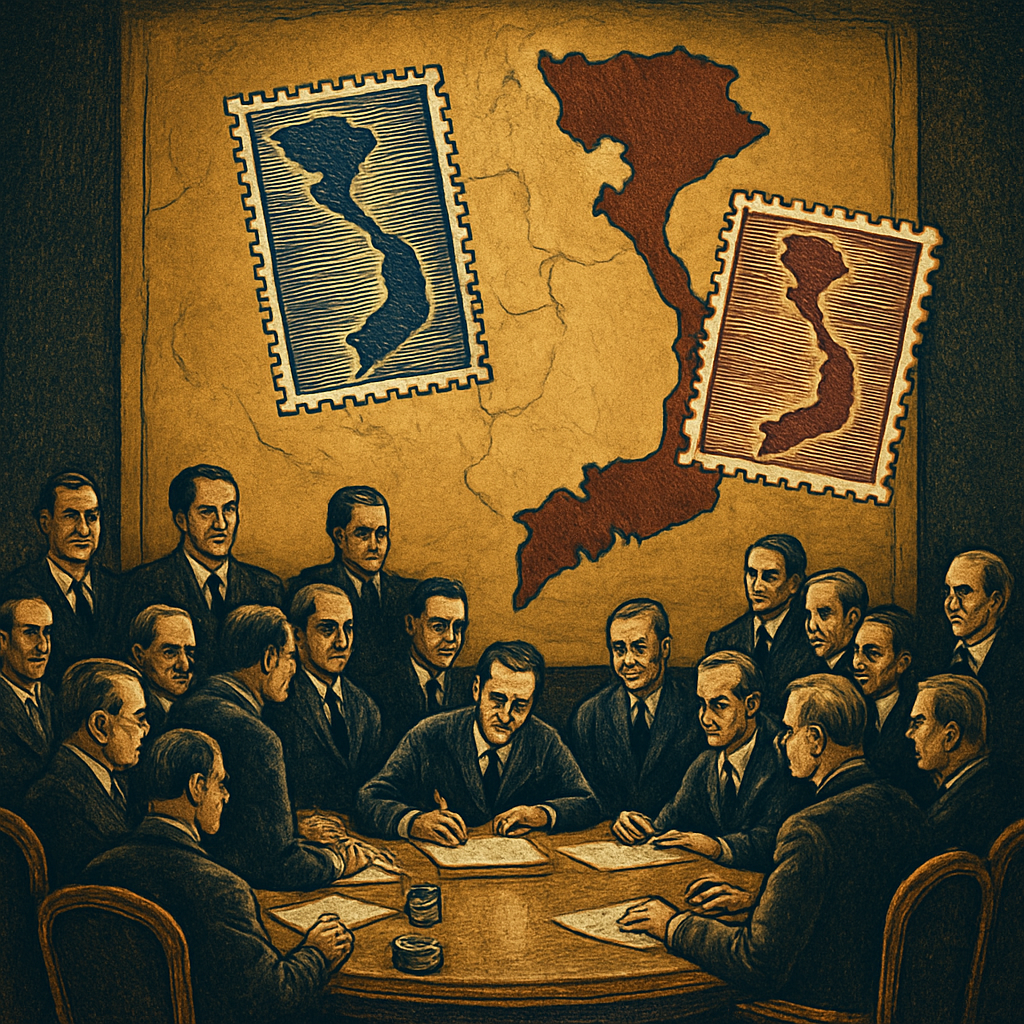
The division of Vietnam into the communist North and the anti-communist South following the Geneva Accords in 1954 set the stage for decades of conflict. Each side used postage stamps as tools to project their ideology and assert legitimacy on the world stage. Meanwhile, allied countries such as the United States also issued stamps related to the conflict, reflecting their involvement and political messaging.
North Vietnam’s Stamp Issues: Propaganda and Patriotism
North Vietnam, governed by the Democratic Republic of Vietnam under the leadership of Ho Chi Minh, used postage stamps extensively as propaganda tools. These stamps often depicted heroic images of soldiers, workers, and peasants united against imperialist forces, emphasizing themes of resistance and socialist solidarity.
One notable series from the 1960s featured portraits of revolutionary leaders alongside scenes of agricultural development and industrial progress. These images reinforced the narrative of a people’s struggle for liberation and a hopeful future under communism.
Moreover, North Vietnamese stamps frequently commemorated important anniversaries such as the founding of the Communist Party, the victory at Dien Bien Phu, and international solidarity days. The stamps were printed in vivid colors and bold designs, making them highly collectible today.
South Vietnam’s Stamp Issues: National Identity and Western Alignment
In contrast, the Republic of Vietnam (South Vietnam) issued stamps that reflected its anti-communist stance and alignment with Western powers, particularly the United States. Many South Vietnamese stamps celebrated cultural heritage, historic sites, and national leaders to foster a sense of unity and legitimacy.
Additionally, South Vietnam produced stamps honoring American military and political figures, symbolizing the close alliance between the two nations. These issues often showcased modern infrastructure, technological advances, and efforts toward modernization, projecting an image of progress and stability despite the ongoing conflict.
Stamps as Instruments of Resistance and Messaging
Beyond simple postage, stamps served as miniature billboards conveying powerful messages. Both North and South Vietnam used philatelic issues to influence public opinion domestically and internationally.
For example, North Vietnamese stamps portrayed American forces as aggressors and highlighted the resilience of the Vietnamese people. These images were designed to inspire patriotism and resistance among the population.
Conversely, South Vietnamese stamps aimed to legitimize their government and garner support from the international community, especially from Western allies. The inclusion of symbols such as the South Vietnamese flag, emblems of freedom, and depictions of democratic ideals reinforced this narrative.
The Role of Allied Nations in Vietnam War Philately
Several allied countries issued stamps related to the Vietnam War, often reflecting their political positions or commemorating their military involvement. The United States, for example, released stamps that highlighted peace efforts, military service, and American ideals during the war years.
Other nations, such as the Soviet Union and China, produced stamps showing solidarity with North Vietnam, emphasizing communist unity and support for liberation movements. These stamps served as tools of soft power, subtly communicating geopolitical alliances through philately.
Collector Tips: Building a Vietnam War Stamp Collection
Collecting stamps from the Vietnam War era offers a rich and rewarding experience, but it also presents unique challenges. Here are some tips for enthusiasts looking to explore this complex field:
- Understand the political context: Familiarize yourself with the historical background to appreciate the symbolism and significance of each issue.
- Focus on authenticity: Beware of forgeries, especially for rare North Vietnamese and South Vietnamese stamps. Reputable dealers and certificate of authenticity can help ensure genuine items.
- Look for commemorative issues: Anniversary stamps, propaganda series, and allied nations’ issues often have higher historical value.
- Study postmarks and cancellations: These can reveal usage patterns, routes, and add provenance to your collection.
- Preserve condition: Store stamps properly in acid-free albums or frames to maintain their color and integrity.
Notable Vietnam War Stamp Series and Their Significance
Several stamp series stand out for their artistic merit and historical importance:
- North Vietnam’s “Heroic Resistance” series (1960s): Showcased the valor of soldiers and civilians during the war.
- South Vietnam’s “Cultural Heritage” series: Celebrated Vietnamese traditions and historic landmarks to bolster national pride.
- U.S. Peace and Service stamps (1960s-1970s): Honored American service members and peace campaigns.
- Soviet solidarity issues: Highlighted communist support for North Vietnam and anti-imperialist themes.
The Artistic and Cultural Dimensions of Vietnam War Stamps
Beyond their political messaging, stamps from this era are notable for their artistic qualities. Designers incorporated traditional Vietnamese motifs, revolutionary iconography, and modern graphic techniques to create compelling visuals.
For example, many North Vietnamese stamps employed bold red and yellow colors, symbolizing communism and national pride. South Vietnamese designs often included intricate depictions of landscapes, temples, and cultural ceremonies, reflecting the country’s diverse heritage.
This blend of art and politics makes Vietnam War stamps a unique collectible category, bridging the worlds of history, culture, and design.
Visual Summary — Article in Motion
Conclusion
The stamps issued during the Vietnam War era offer a profound insight into the ideological battles, national identities, and international dynamics of a complex conflict. From North Vietnam’s powerful propaganda to South Vietnam’s cultural assertions and the involvement of allied nations, these miniature pieces of paper tell stories far beyond their postal function.
For collectors and history enthusiasts, Vietnam War stamps provide not only an opportunity to own tangible pieces of history but also to explore the rich interplay of politics, art, and identity during one of the 20th century’s most defining conflicts.