Watch the video
Introduction to Antarctic Exploration and Philately
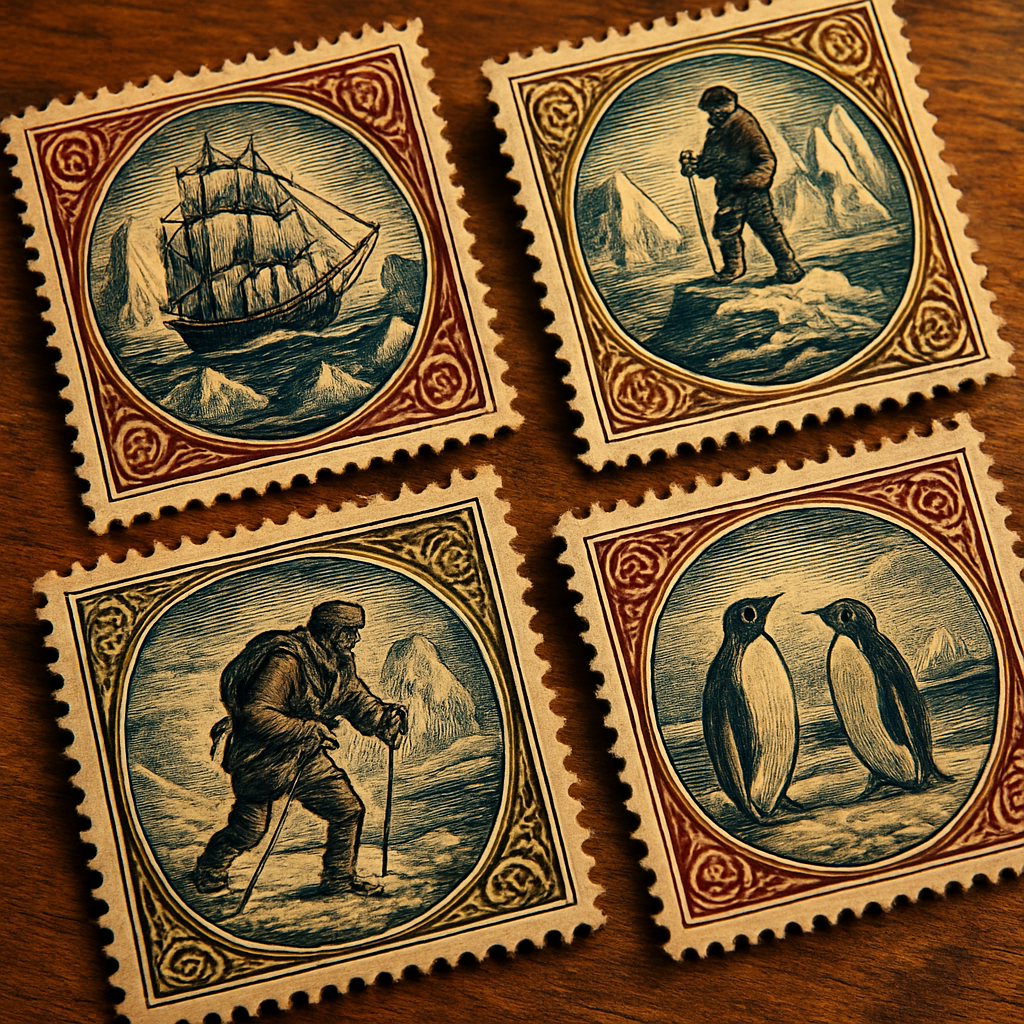
The vast, icy continent of Antarctica has long captivated explorers, scientists, and adventurers alike. Known for its extreme conditions and remote location, Antarctica represents one of the last frontiers of human exploration. Throughout history, this frozen wilderness has inspired awe and respect, becoming a symbol of endurance, discovery, and international cooperation. One fascinating way this legacy is preserved and celebrated is through postage stamps—small, intricate pieces of art that tell the story of pioneering polar post and Antarctic exploration.
Stamp collecting, or philately, provides a unique lens through which we can trace the milestones of Antarctic expeditions. From the earliest voyages in the 19th century to the establishment of modern scientific bases, stamps have commemorated heroic achievements and documented human interaction with this forbidding landscape. This article explores the rich history of Antarctic-themed stamps, highlighting their significance, design, and the stories they convey to collectors and enthusiasts around the world.
The Early Days of Antarctic Exploration
Heroic Age of Antarctic Exploration
The period from the late 19th century to the early 20th century is often called the Heroic Age of Antarctic Exploration. This era witnessed groundbreaking expeditions led by legendary figures such as Roald Amundsen, Robert Falcon Scott, Ernest Shackleton, and Douglas Mawson. These explorers faced unimaginable hardships, battling subzero temperatures, treacherous ice, and isolation to reach the South Pole and map unknown territories.
Many countries issued stamps to honor these daring feats, often shortly after the expeditions, embedding the spirit of adventure and national pride into their postal history. For example, Norwegian stamps commemorated Amundsen’s successful 1911 expedition, the first to reach the South Pole. British stamps celebrated Scott’s ill-fated Terra Nova Expedition, while Australian and New Zealand issues honored their own Antarctic pioneers.
Early Antarctic Postal Services
Before permanent bases existed, postal services in Antarctica were rudimentary and often improvisational. Mail was carried by expedition ships, and sometimes special postmarks were applied to letters sent from the continent. These early postal artifacts are highly prized by collectors for their rarity and historical significance.
One notable example is the British Antarctic Expedition’s use of the “South Georgia” postmark during Shackleton’s 1914–1917 Imperial Trans-Antarctic Expedition. Such mail pieces, known as “polar covers,” offer a tangible connection to the explorers’ journeys and the development of polar postal history.
Stamps Celebrating Antarctic Milestones
Commemorative Issues from Around the World
As Antarctic exploration evolved, many nations began issuing stamps that portrayed not only the explorers but also the continent’s unique wildlife, geography, and scientific endeavors. These stamps serve as both educational tools and collectibles, illustrating the multifaceted nature of Antarctica.
- United Kingdom: The UK has produced numerous stamps highlighting its pivotal role in Antarctic exploration, including the famous 1957 “Antarctic Treaty” issue that celebrates international cooperation in preserving the continent for peaceful scientific purposes.
- Australia: Australian stamps often feature images of the Australian Antarctic Territory, native penguins, and research stations, emphasizing the country’s ongoing commitment to polar science.
- New Zealand: New Zealand’s philatelic contributions include colorful depictions of the Ross Dependency and the heroic expeditions launched from its shores.
- Argentina and Chile: Both countries issue stamps related to their Antarctic claims and research activities, often showcasing the region’s geography and fauna.
- United States: American stamps have commemorated key events such as Operation Deep Freeze, the establishment of McMurdo Station, and famous explorers like Richard E. Byrd.
Noteworthy Stamp Series and Designs
Many Antarctic stamp series are renowned for their artistic merit and detailed portrayals. For instance, the 1994 “Antarctica” series issued by the United States Postal Service features striking images of icebergs, wildlife, and scientific equipment, capturing the continent’s austere beauty and the human endeavor to understand it.
Another example is the 1971 British Antarctic Territory set, which includes a depiction of the Endurance ship trapped in ice during Shackleton’s expedition—an iconic image symbolizing resilience against the polar environment.
Scientific Bases and Modern Antarctic Philately
Permanent Research Stations as Philatelic Subjects
With the establishment of permanent research stations in Antarctica from the mid-20th century onward, stamps began reflecting the continent’s role as a hub of international scientific cooperation. These bases, such as McMurdo Station (USA), Palmer Station (USA), Rothera Research Station (UK), and the Australian Casey Station, have become symbols of peaceful research and environmental stewardship.
Stamps often depict these bases’ distinctive architecture, scientific instruments, and personnel, showcasing advances in polar technology and the ongoing quest for knowledge. Collectors find these issues particularly interesting as they represent a shift from heroic exploration narratives to scientific achievement.
Antarctic Treaty and Environmental Themes
The 1959 Antarctic Treaty, signed by twelve countries, designated Antarctica as a scientific preserve and banned military activity on the continent. This historic agreement has inspired numerous stamp issues celebrating peaceful collaboration and environmental protection.
Modern stamps frequently highlight the fragile Antarctic ecosystem, featuring iconic wildlife like emperor penguins, seals, and albatrosses, alongside warnings about climate change and conservation efforts. These themes resonate deeply with collectors and the public, reinforcing Antarctica’s global importance.
Special Postmarks and Polar Philatelic Events
Special postmarks and philatelic events related to Antarctica are popular among enthusiasts. Many research stations issue their own unique cancellations to mark scientific milestones, anniversaries, or visits by dignitaries. These limited-edition covers and postcards become treasured collectibles, connecting philatelists with the unique experience of Antarctic exploration.
Furthermore, international philatelic exhibitions often feature Antarctic-themed displays, highlighting rare covers, historic letters, and artistic stamps that tell the story of humanity’s relationship with the polar south.
Collector Tips for Antarctic Stamps and Covers
Building a Thematic Collection
Collecting Antarctic stamps offers a rich and rewarding experience. Here are some tips to help enthusiasts build and maintain a meaningful collection:
- Define Your Focus: Decide whether you want to collect by country, by theme (exploration, wildlife, bases), or by era (Heroic Age, modern science).
- Seek Authenticity: Look for genuine stamps and covers with verified cancellations, especially for rare polar postmarks.
- Use Reputable Dealers: Purchasing from trusted sources like Obelisk Stamps ensures quality and authenticity.
- Preserve Your Collection: Use acid-free albums and store items in a cool, dry place to prevent damage.
- Research and Network: Join philatelic societies specializing in polar or thematic collecting to learn more and connect with fellow collectors.
Valuable and Rare Antarctic Philatelic Items
Certain Antarctic stamps and covers can be highly valuable due to their rarity and historical significance. Examples include:
- Mail carried on Shackleton’s Endurance expedition.
- First-day covers of the 1957 Antarctic Treaty stamps.
- Postmarks from early 20th-century expeditions.
- Limited-edition stamps issued by territorial administrations.
Collectors should consult specialized catalogs and experts to accurately assess and verify such items.
Interesting Anecdotes from Polar Postal History
The Endurance Mail
During Shackleton’s ill-fated 1914 expedition, crew members salvaged mail from the trapped Endurance ship before it was crushed by ice. This mail, often carried home over years of hardship, became legendary among collectors, symbolizing hope and perseverance.
First Stamps Used in Antarctica
Early postal operations used stamps from the home countries of the expeditions, but some regions later issued their own Antarctic stamps. For example, the British Antarctic Territory began issuing stamps in 1963, marking the first dedicated Antarctic postal issues.
International Cooperation Reflected in Stamps
The Antarctic Treaty’s spirit of peaceful scientific collaboration is mirrored in joint stamp issues and shared themes among countries, underscoring the continent’s unique status as a place beyond national boundaries.
Visual Summary — Article in Motion
Conclusion
Antarctic stamps are far more than mere postage—they are miniature chronicles of human courage, scientific progress, and international friendship in one of the planet’s harshest environments. From the daring exploits of early explorers to the ongoing efforts of researchers stationed on the ice, these philatelic treasures invite collectors and history enthusiasts alike to journey into the story of the polar south. By understanding and appreciating these stamps, we keep alive the legacy of Antarctic exploration and the enduring human spirit that drives discovery.