Watch the video
Introduction to Native American Imagery on U.S. Stamps
Postage stamps serve as miniature windows into a nation’s history, culture, and values. In the United States, Native American imagery on stamps offers a unique and powerful lens through which to view the rich heritage and evolving narratives of indigenous peoples. Since the early days of U.S. postal history, American stamps have featured Native American themes that honor their culture, commemorate historical figures, and educate the public about indigenous contributions. This article explores the development and significance of Native American representations on U.S. stamps, highlighting key issues, notable releases, and tips for collectors passionate about this specialized area of philately.
Historical Context: Native American Imagery in Early U.S. Stamps
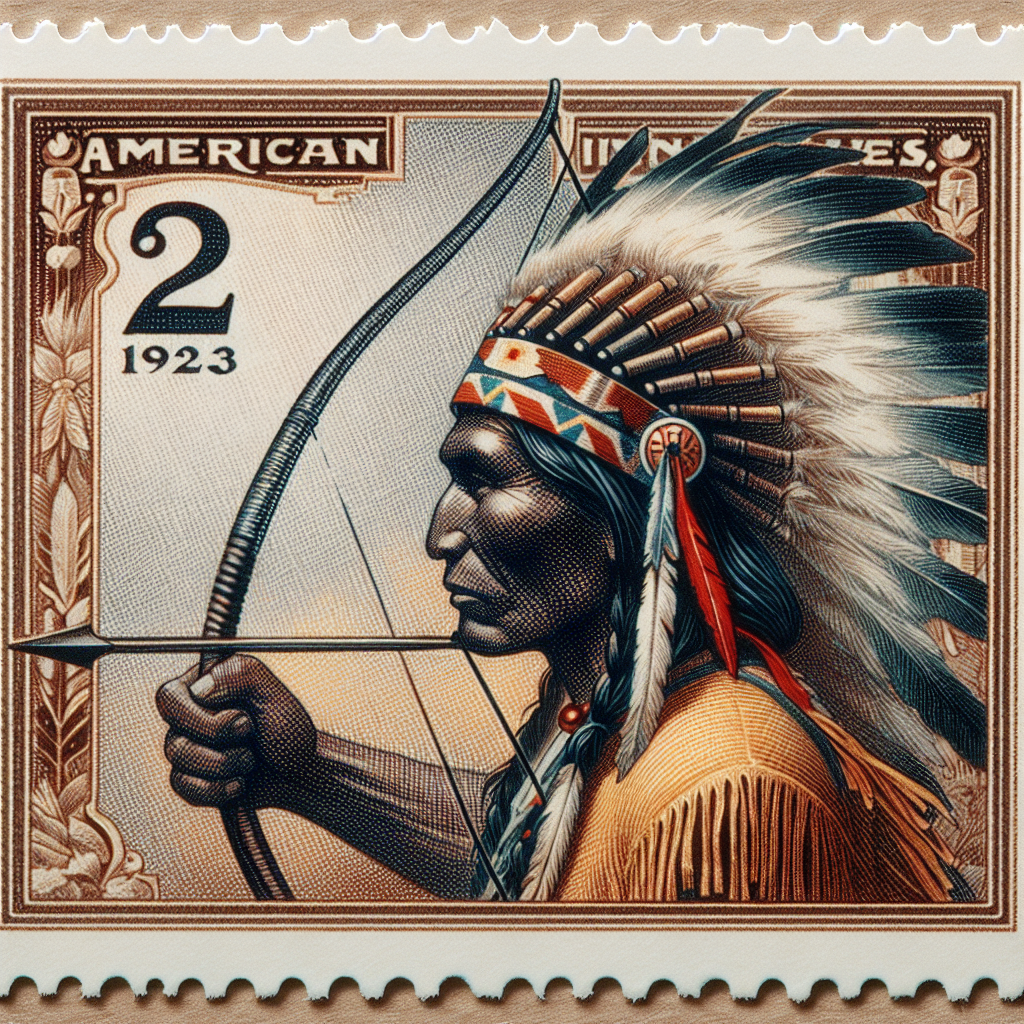
The first U.S. stamps featuring Native American imagery appeared in the early 20th century, reflecting a broader societal interest in the “Old West” and indigenous cultures. The 1923 “American Indian” stamp series, for example, depicted a variety of Native American figures and motifs, although often filtered through a Euro-American perspective. These early portrayals sometimes romanticized or stereotyped indigenous peoples, but they also signified a growing recognition of Native American influence on American identity.
The 1923 American Indian Series
Issued as part of the regular definitive series, the 1923 American Indian stamps showcased portraits of Native American leaders and symbolic imagery such as traditional headdresses and tools. Notably, the 2-cent stamp featured a portrait of a Plains Indian chief, while the 5-cent depicted a hunter with a bow. These images introduced many Americans to indigenous iconography and began a tradition of honoring Native American culture through postal art.
Evolution of Representation: From Stereotypes to Authenticity
Over the decades, U.S. stamps have evolved to present more accurate and respectful depictions of Native American peoples. This shift corresponds with broader social changes, including increased awareness of indigenous rights and cultural preservation.
Mid-20th Century Developments
In the 1940s and 1950s, stamps began to highlight historical Native American figures, such as Sacagawea, the Shoshone woman who guided the Lewis and Clark Expedition. For example, the 1954 3-cent stamp featured a portrait of Sacagawea, emphasizing her crucial role in American history. These stamps helped to humanize Native Americans beyond generalized imagery and fostered appreciation for their individual contributions.
Celebrating Native American Heritage in the Late 20th Century
The U.S. Postal Service (USPS) made significant strides in the 1980s and 1990s by collaborating with Native American artists and historians to create stamps that authentically represented indigenous cultures. The 1980 “American Indian Arts” series, for instance, highlighted traditional crafts such as pottery and weaving, showcasing the vibrant artistic heritage of Native communities.
Notable U.S. Stamps Featuring Native American Themes
Several stamp issues stand out for their cultural significance, artistry, and impact among collectors and historians alike.
Sacagawea Commemorative Stamps
Sacagawea has been honored multiple times on U.S. stamps, reflecting her enduring legacy. The 1970s and 1980s commemorative stamps portrayed her not only as a historical figure but also as a symbol of courage and guidance. These stamps often include detailed portraits and scenes from the Lewis and Clark journey, helping to educate the public about indigenous involvement in American exploration.
The Native American Basketmakers Series
Issued in the early 1990s, this series celebrated the intricate basket-weaving traditions of tribes such as the Pomo, Apache, and Hopi. The stamps feature colorful, close-up images of baskets, highlighting the craftsmanship and cultural significance of these art forms. The USPS’s collaboration with Native artists ensured authenticity and respect in these portrayals.
Chief Sitting Bull and Other Tribal Leaders
Various tribal leaders have been featured on stamps, including Chief Sitting Bull, a prominent Hunkpapa Lakota leader known for resistance against U.S. government policies. These stamps serve as reminders of Native American resilience and sovereignty, often accompanied by educational text on the stamp or in related postal materials.
Collector Tips for Native American Themed Stamps
Collecting stamps featuring Native American themes offers both aesthetic appeal and historical depth. Here are some tips for enthusiasts interested in this niche:
- Research Historical Context: Understanding the background of the depicted figures, art styles, and historical events enhances appreciation and helps identify authentic issues.
- Focus on Limited Editions and Artist Collaborations: Stamps produced in collaboration with Native American artists or released as limited editions tend to be more valuable and culturally significant.
- Preserve Condition: Keep stamps in mint condition or carefully preserved on covers to maintain their value.
- Explore Related Philatelic Materials: First day covers, commemorative envelopes, and postal history items linked to Native American stamps can enrich a collection.
- Join Specialized Clubs: Philatelic societies focused on indigenous themes provide valuable resources, networking, and access to rare items.
Interesting Anecdotes and Cultural Significance
One fascinating story involves the 1994 “Native Americans” stamp series, which featured portraits of four Native individuals from different tribes, including Navajo and Cherokee. The USPS worked closely with tribal representatives to ensure respectful representation, a process that marked a turning point in how indigenous culture was portrayed on federal government-issued stamps.
Moreover, Native American imagery on stamps serves educational purposes beyond philately. Schools and museums often use these stamps to teach about indigenous history and cultural diversity, helping to correct misconceptions and promote understanding.
The Future of Native American Representation on U.S. Stamps
Looking ahead, there is growing momentum to further diversify and deepen the representation of Native American cultures on U.S. postage stamps. The USPS has expressed commitment to inclusivity, and recent releases have begun to feature contemporary Native American artists and themes addressing modern indigenous experiences and achievements.
As the nation continues to reckon with its history and embrace multiculturalism, stamps will remain a powerful medium for honoring Native American heritage in a way that educates, respects, and celebrates.
Visual Summary — Article in Motion
Conclusion
Native American imagery on U.S. stamps offers more than aesthetic appeal; it encapsulates evolving narratives of history, culture, and identity. From early stereotypical depictions to today’s collaborative and authentic portrayals, these stamps serve as cultural ambassadors that honor indigenous peoples’ contributions to American society. For collectors and history enthusiasts alike, exploring this specialized area of philately provides a meaningful connection to the past and a hopeful outlook toward greater recognition and respect.