Watch the video
Historical Context of the 1920s ‘American Indian’ Stamp Series
During the early 20th century, the United States Postal Service sought to commemorate significant aspects of American history and culture through postage stamps. Among these efforts, the 1920s ‘American Indian’ stamp series stands out as a notable attempt to portray Native American leaders and motifs. Issued primarily from 1923 to 1930, this series featured a range of denominations and designs depicting prominent Native American figures and symbolic imagery. These stamps not only served a practical postal purpose but also acted as miniature ambassadors of cultural heritage, reflecting the nation’s complex relationship with its Indigenous peoples.
Portraits of Native American Leaders: Representation and Selection
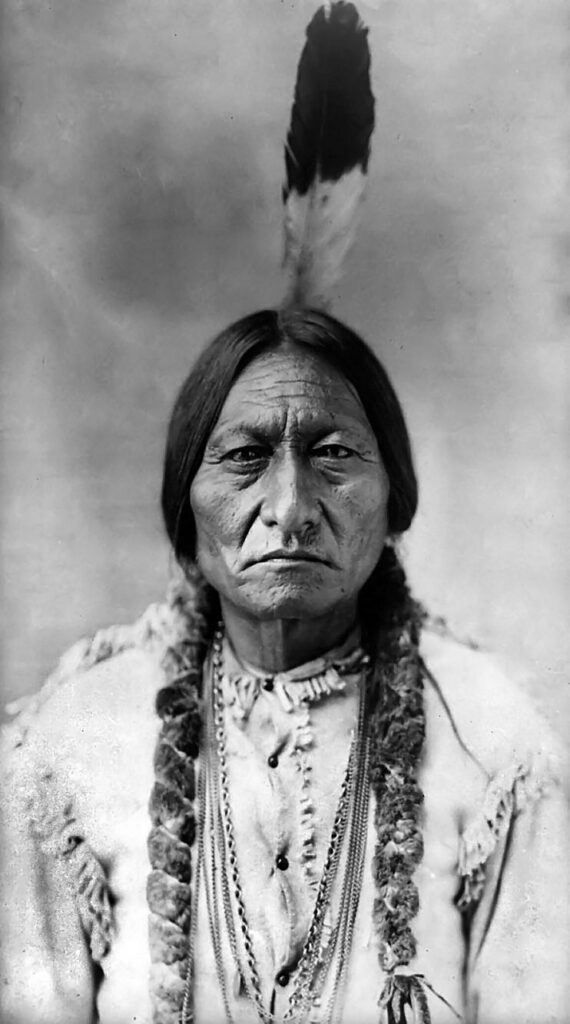
The 1923 series featured portraits of Native American leaders[1] such as Chief Red Cloud, Chief Joseph, and Sitting Bull, among others. These images were derived from well-known photographs and paintings, lending a degree of visual authenticity. For example, the 2-cent stamp issued in 1923 depicted Chief Red Cloud, a respected Oglala Lakota leader known for his resistance during the Red Cloud’s War (1866–1868). This choice was significant, as Red Cloud was one of the few Native leaders to negotiate successfully with the U.S. government.
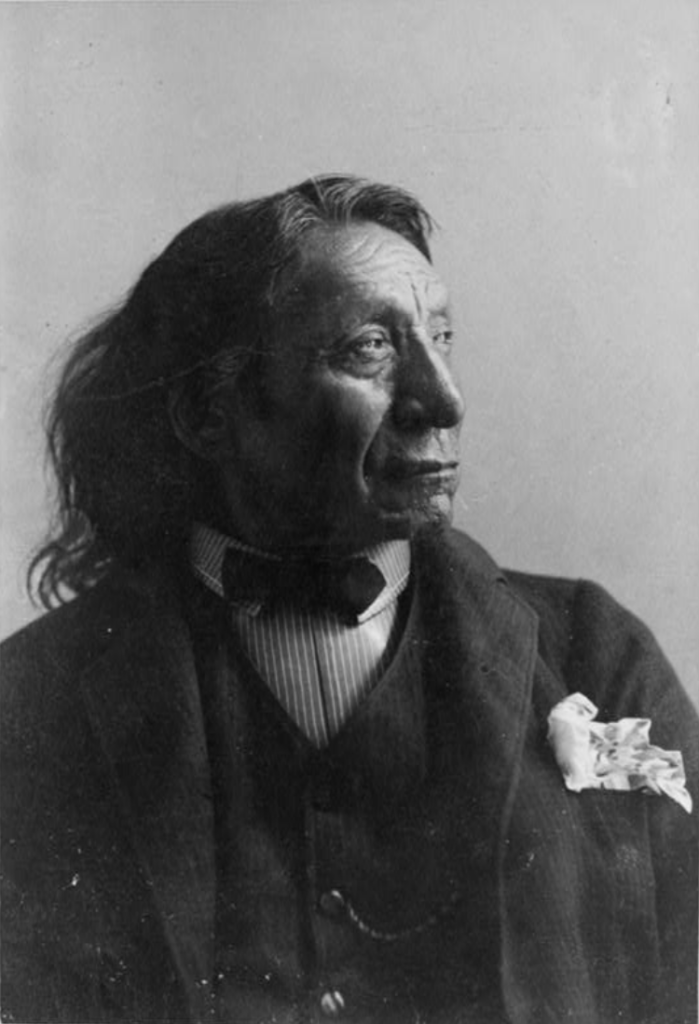
However, the process of selecting which figures to portray was ultimately controlled by non-Native officials and artists, often reflecting popular narratives rather than Indigenous perspectives. The resulting imagery, while visually striking, sometimes simplified complex histories into iconic portraits. Yet these stamps played an important role in raising public awareness of Native American history during a time when Indigenous voices were largely marginalized in mainstream media.
Artistic Sources and Authenticity of Design
The artistic designs for the ‘American Indian’ series were primarily based on historical photographs and paintings, which aimed to capture the dignified profiles and traditional regalia of the subjects. The engravings were meticulous, with artists like Clair Aubrey Huston and Marcus W. Baldwin contributing to the fine details that brought the figures to life on tiny canvas. For instance, the 10-cent stamp depicting Chief Joseph was modeled after a famous 1879 photograph, emphasizing his resolute expression and traditional attire.
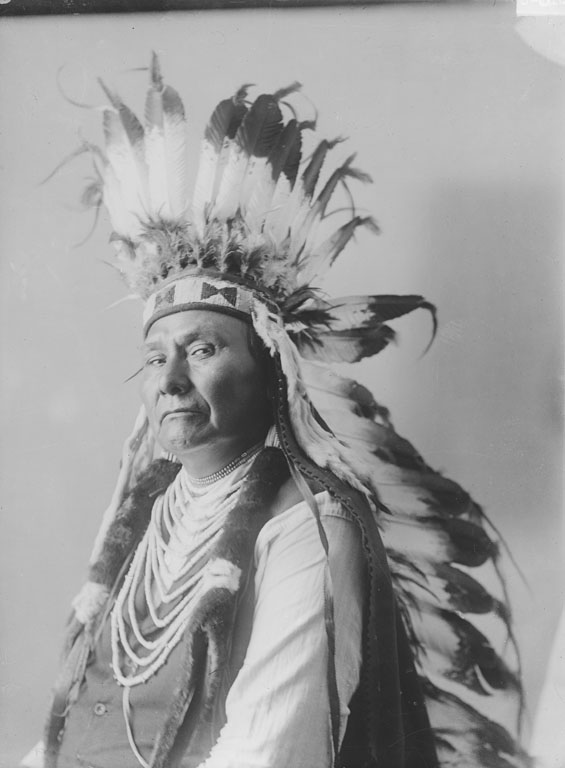
Despite the care in craftsmanship, questions remain about the authenticity and cultural sensitivity of these designs. Some critics argue that the images present a romanticized or static view of Native Americans, often frozen in time and disconnected from contemporary Indigenous realities. Costume details, such as headdresses and clothing, were sometimes generalized or inaccurately represented, reflecting more the artist’s interpretation than ethnographic precision.
Motifs and Symbolism Beyond Portraiture
Beyond portraits, these stamps also incorporated symbolic motifs drawn from Native American art and culture. Elements like feathers, tipi silhouettes, and traditional patterns appeared as decorative flourishes, aiming to evoke the spirit of Indigenous heritage. For example, the 4-cent stamp issued in 1924 featured an image of a buffalo skull, a powerful emblem in Plains Native spirituality.

However, the use of such motifs was often divorced from their original cultural contexts. While visually appealing, these symbols were selected primarily for their aesthetic impact on a national audience rather than for their sacred or communal significance. This raises important considerations about cultural respect and the responsibilities of institutions when representing Indigenous cultures in public media.
Anecdote: The Story Behind the Chief Joseph Stamp
One fascinating story involves the 10-cent Chief Joseph stamp issued in 1923. Chief Joseph, leader of the Nez Perce tribe, is remembered for his principled resistance and tragic flight toward Canada in 1877. The stamp’s design was based on an 1879 photograph taken by F. Jay Haynes, which captured a dignified and somber pose that resonated with many Americans.
Interestingly, the engraving process took several months, during which the artist corresponded with historians and Native American advocates to ensure the likeness was as accurate as possible. This collaboration was unusual for the period and reflects a rare sensitivity to Indigenous representation. Today, collectors prize this stamp not only for its aesthetic quality but also for its role in fostering awareness of Chief Joseph’s legacy.
Challenges of Cultural Representation in Philately
The ‘American Indian’ series embodies the challenges of cultural representation in philately—balancing artistic expression, historical accuracy, and cultural respect. While the stamps brought Native American imagery into the public eye, the narratives they conveyed were filtered through governmental and artistic lenses that often lacked Indigenous input.
Philatelists and historians today approach these stamps with a critical eye, appreciating their artistic and historical value while recognizing their limitations. Efforts to contextualize these issues enhance the stamps’ significance, turning them into starting points for broader discussions about Indigenous history, representation, and identity.
Practical Tips for Collectors Interested in the ‘American Indian’ Series
- Authentication: Due to their age and popularity, some stamps in the series have been forged. Collectors should seek expert verification, especially for higher denominations.
- Condition Matters: Mint condition stamps with original gum are rare and command premium prices. Look for well-centered designs and minimal perforation damage.
- Research Provenance: Exploring the historical context behind each stamp can deepen appreciation. Consult specialized catalogs and museum collections for detailed information.
- Preservation: Store these stamps in acid-free mounts and protect them from light and humidity to preserve their colors and paper quality.
The Legacy and Continuing Impact of the 1920s ‘American Indian’ Series
The ‘American Indian’ stamp series of the 1920s remains a touchstone in U.S. philately, illustrating how postage stamps can serve as cultural artifacts and historical documents. These stamps opened a window into Native American history for many Americans, albeit through a limited and sometimes problematic lens.
In recent decades, there has been a growing movement to produce stamps that are more collaborative and representative of Indigenous communities, incorporating their voices and artistic traditions authentically. The 1920s series thus occupies a pivotal place in the evolution of Native American representation in national iconography.
For philatelists and historians alike, these stamps offer a rich tapestry of artistic craftsmanship, historical narrative, and cultural dialogue—an invitation to reflect on how we remember and honor Indigenous peoples through the miniature art of postage stamps.
Visual Summary — Article in Motion
References
- Richard C. Frajola, 'The American Indian Issue of 1923,' The American Philatelist, 1994 https://stamps.org/the-american-indian-issue-of-1923