Watch the video
Spiritual Significance of Najaf and Karbala in Shia Islam
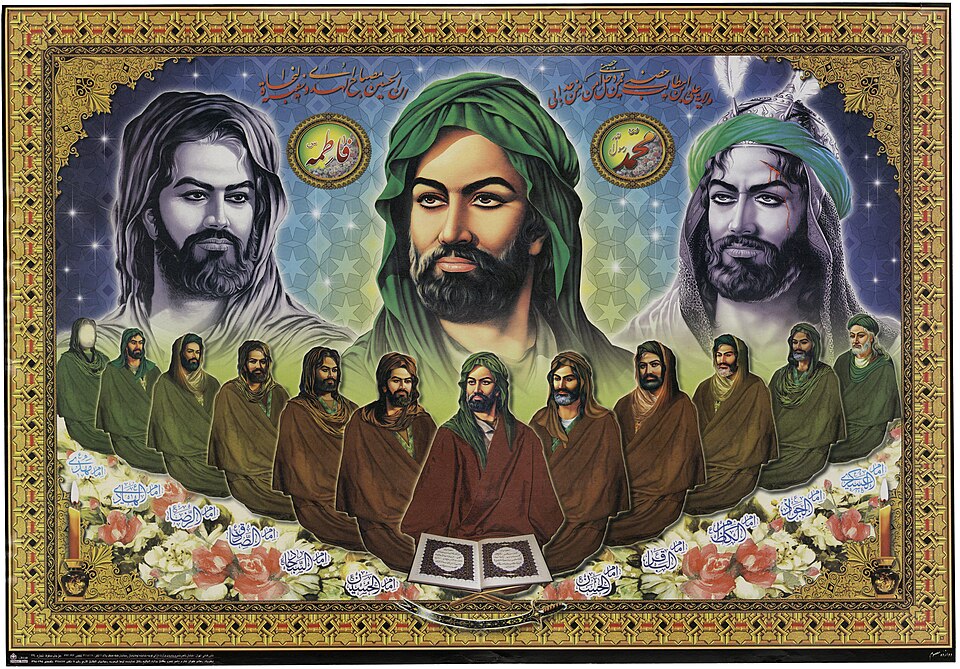
The cities of Najaf and Karbala hold profound significance in the spiritual geography of Shia Islam. Najaf is renowned primarily for the Imam Ali Shrine, the burial place of Ali ibn Abi Talib, the cousin and son-in-law of Prophet Muhammad and the first Imam in Shia belief. Karbala, meanwhile, is the site of the martyrdom of Imam Husayn ibn Ali[1], Ali’s son, whose death at the Battle of Karbala in 680 CE is commemorated annually during Ashura. These cities are not only centers of religious pilgrimage but also vibrant symbols of faith, sacrifice, and identity for millions of Shia Muslims worldwide.

Historical Emergence of Najaf and Karbala on Iraqi Postal Issues
Iraq’s postal authorities have long recognized the cultural and religious importance of Najaf and Karbala, featuring them on stamps since the mid-20th century. The earliest known stamps depicting these cities appeared in the 1950s[2], a period when Iraq sought to affirm its national identity through cultural heritage. The use of these pilgrimage sites on stamps served multiple purposes: honoring Shia religious heritage, promoting tourism, and asserting Iraq’s status as a custodian of sacred Islamic history.
One of the pioneering issues was the 1958 series commemorating the 1,278th anniversary of Imam Ali’s martyrdom, which prominently featured the golden dome of the Imam Ali Shrine in Najaf[3]. This issue coincided with political shifts in Iraq, where emphasizing religious landmarks was part of a broader cultural diplomacy strategy.
Artistic Depictions of Najaf and Karbala on Stamps
The artistic portrayal of these cities on stamps is a fascinating blend of architectural detail, calligraphy, and symbolic imagery. The Imam Ali Shrine in Najaf is often rendered with meticulous attention to its iconic golden dome and minarets, set against a backdrop of blue skies or stylized Islamic geometric patterns. Similarly, Karbala’s Holy Shrine of Imam Husayn is depicted with its vibrant red dome and the twin minarets, often accompanied by motifs of mourning or the Zulfiqar, the legendary sword associated with Imam Ali.
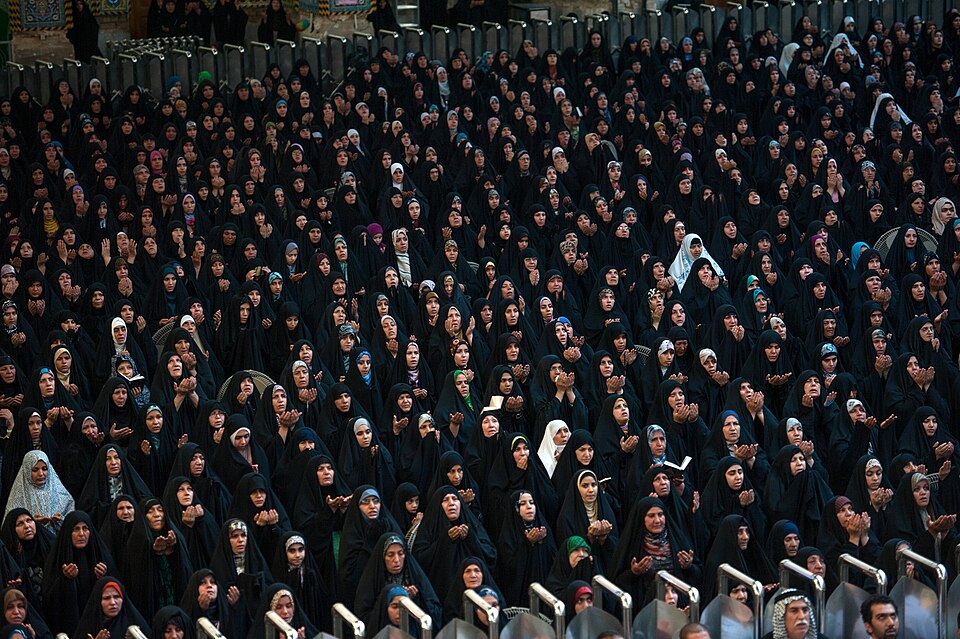
For instance, the 1973 Iraqi stamp issue marking the Arba’een pilgrimage[4]—the 40th day after Ashura—depicted thousands of pilgrims converging towards Karbala, illustrating the immense scale and emotional intensity of this event. The stamp used a warm color palette that conveyed both reverence and communal spirit.
Anecdote: The 1980 Karbala Stamp and Its Symbolism
During the politically charged 1980s, Iraq released a series of stamps celebrating the spiritual resilience of Shia communities, notably a Karbala issue commemorating the martyrdom of Imam Husayn. The stamp featured a stylized calligraphic representation of the word “Husayn” intertwined with the image of the shrine. This artistic choice symbolized the inseparability of the spiritual leader and his sacred resting place, reinforcing a message of unity amid regional tensions. Collectors prize this issue for both its artistic merit and its encapsulation of a turbulent era.
Cultural and Political Context Influencing Stamp Issues
Stamp issues portraying Najaf and Karbala cannot be fully understood without acknowledging the broader cultural and political landscape of Iraq. Throughout the 20th and early 21st centuries, these cities’ depictions on stamps served as both religious homage and subtle political statements. For example, under Saddam Hussein’s regime, the representation of Shia sites was often carefully calibrated to project national unity while managing sectarian dynamics.
Following the 2003 Iraq War, there has been a renewed focus on these pilgrimage sites in postal art, reflecting the resurgence of Shia cultural identity and the importance of Najaf and Karbala as symbols of resilience and hope. The Iraqi Postal Service has issued commemorative stamps celebrating major religious anniversaries, infrastructure restoration efforts, and the pilgrimage itself, thus preserving these narratives through philatelic media.
Anecdote: Najaf Stamp Issued on the Millennium of the Great Mosque
In 1999, Iraqi postal authorities issued a special stamp marking the millennium anniversary[5] of Najaf’s Great Mosque, known as the Imam Ali Shrine. The stamp not only showcased the mosque’s exquisite architecture but also included intricate Kufic script, highlighting Quranic verses related to justice and piety. This issue was particularly meaningful for collectors and pilgrims alike as it underscored Najaf’s status as a timeless spiritual beacon.
Practical Tips for Collectors of Najaf and Karbala Stamp Issues
- Authenticity Verification: Given the historical and political value of these stamps, collectors should seek certificates of authenticity, especially for rare issues from the 1950s to 1980s.
- Condition and Preservation: The intricate designs, often featuring gilded or embossed elements, require careful handling. Store stamps in acid-free albums away from direct sunlight to preserve color vibrancy.
- Contextual Research: Understanding the historical and religious significance behind each stamp enriches the collection. Consult specialized catalogs and scholarly sources on Iraqi postal history and Shia pilgrimage.
- Networking: Engage with philatelic societies focused on Middle Eastern or Islamic stamps, such as the Middle East Philatelic Society, to access expert knowledge and trade opportunities.
Conclusion
Iraqi postage stamps featuring Najaf and Karbala offer rich visual narratives that go beyond mere postal function. They encapsulate the spiritual heart of Shia Islam, reflect Iraq’s complex cultural identity, and bear witness to historical and political shifts. For philatelists and history enthusiasts, these stamps are invaluable artifacts—intimate windows into faith, art, and heritage immortalized on a small piece of paper. Collecting and studying these issues not only honors the sacred geography of Najaf and Karbala but also preserves a vibrant chapter of cultural memory for future generations.
Visual Summary — Article in Motion
References
- Encyclopaedia Britannica, "Battle of Karbala", 2023 https://www.britannica.com/event/Battle-of-Karbala
- Iraqi Postal History Society, "Iraq Stamp Issues 1950-1980", 2019
- Encyclopaedia Britannica, "Najaf", 2023 https://www.britannica.com/place/Najaf
- Middle East Philatelic Society Journal, "Iraqi Religious Stamp Issues", vol. 12, 2017
- Iraqi Ministry of Culture, "Millennium of Najaf’s Great Mosque Commemorative Stamp", 1999