Watch the video
Iran’s 1978 World Cup Stamp: A Symbol of National Pride
In 1978, the Islamic Republic of Iran issued its first-ever stamp commemorating participation in the FIFA World Cup, held in Argentina. This modest yet evocative postage stamp stands as a compelling cultural artifact, reflecting Iran’s burgeoning passion for football and its aspirations on the global sporting stage. Far beyond its practical postal function, the stamp encapsulates a moment of national pride, political context, and artistic expression that continues to resonate with philatelists and historians alike.

Historical Context of Iran’s 1978 World Cup Participation
Iran’s qualification for the 1978 World Cup was itself a milestone[1]. It marked the first time the national team, known as Team Melli, reached football’s most prestigious tournament. The qualification campaign, led by coach Heshmat Mohajerani, culminated in a historic victory over South Korea in Tehran in 1977, securing Iran’s place among the 16 best teams worldwide.
This achievement came at a politically charged time. Iran was under the rule of Shah Mohammad Reza Pahlavi, amid growing social tensions that would erupt into the 1979 Islamic Revolution. The government sought to cultivate national unity and international recognition, and football emerged as a unifying symbol. The issuance of a commemorative stamp was both a celebration of sporting success and a tool of cultural diplomacy.
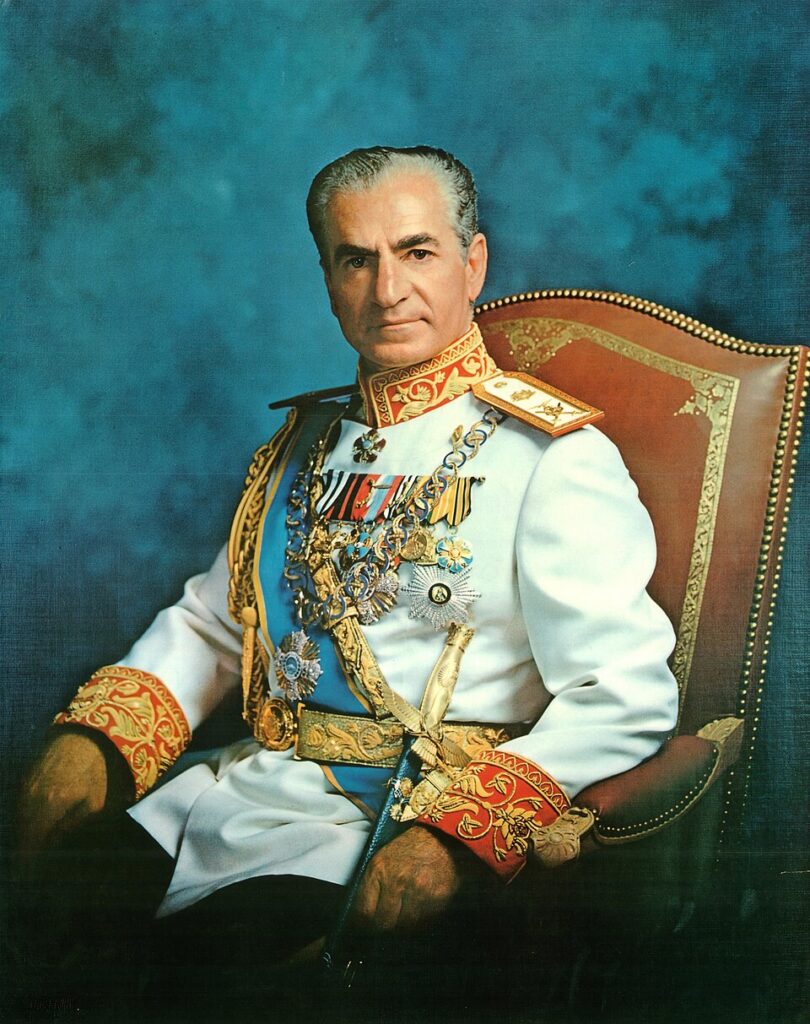
Design and Symbolism of the 1978 World Cup Stamp
Issued in early 1978 by the National Iranian Postal Service, the stamp featured a striking visual composition:
- Central Motif: A dynamic depiction of a football soaring over the traditional Persian lion and sun emblem, merging Iran’s ancient heritage with modern sport.
- Color Palette: The use of vibrant reds and greens echoed the national flag, reinforcing patriotic sentiment.
- Typography: The inscription in Persian script reads “جام جهانی فوتبال ۱۹۷۸” (World Football Cup 1978), elegantly integrating calligraphic flair with contemporary design.
- Subtle Argentine Reference: The background’s faint silhouette hints at the globe, emphasizing the international nature of the event hosted in Argentina.
The fusion of traditional Persian symbolism—the lion and sun emblem, which had long represented power and enlightenment—with the modern iconography of football illustrates Iran’s attempt to bridge its historical identity with contemporary global culture.
Anecdote: The Stamp Designer’s Vision
The stamp’s designer was the renowned Iranian graphic artist Mahmoud Farshchian[2], known primarily for his intricate miniature paintings. Farshchian reportedly embraced the commission as an opportunity to showcase Iran’s rich cultural legacy while celebrating the contemporary excitement surrounding football. In an interview years later, he explained that the lion and sun motif was chosen deliberately to evoke a sense of strength and resilience, qualities he saw reflected in the national team’s spirit.
Collecting and Preserving Iran’s 1978 World Cup Stamp
For philatelists, this stamp is both a prized collectible and a narrative piece. Authentic examples in mint condition remain relatively rare, as many were used for everyday mail during a period when stamp collecting was less widespread in Iran. Collectors should look for the following characteristics to ensure authenticity and value:
- Printing Quality: High-resolution details, especially in the lion and sun emblem, distinguish original prints from later reissues or forgeries.
- Perforation Uniformity: Original stamps have precisely cut edges measuring 11.5 x 11.5 mm perforation.
- Paper Type: The stamp was printed on medium-weight, slightly textured paper, typical of the late 1970s Iranian issues.
Collectors often seek stamps with clear postmarks from Tehran or other major cities during early 1978, which add historical context related to the World Cup excitement sweeping the country.
Anecdote: A Rare Postal Cover from Tehran
One remarkable find in philatelic circles is a first-day cover mailed from Tehran on March 1, 1978[3]—the official release date of the stamp. This envelope bears the Iran 1978 World Cup stamp cancelled with a commemorative postmark featuring a football motif. It was sent by a football enthusiast to a friend in Isfahan and is now preserved in the collection of the Iran Philatelic Society. Such covers provide tangible connections to the atmosphere of anticipation and national pride during that historic year.
The Stamp’s Legacy in Iranian and Football History
Though Iran did not advance beyond the group stage in the 1978 World Cup, the stamp endures as a symbol of the country’s footballing ambitions and cultural expression. It marks the beginning of Iran’s long-term engagement with international football tournaments, including subsequent World Cup appearances in 1998, 2006, and beyond.
Moreover, the stamp reflects a pivotal era in Iranian history, capturing the intersection of sport, politics, and national identity on the eve of transformative social change. As such, it holds a special place in collections dedicated to sports history, Middle Eastern studies, and philatelic art.
Practical Tips for Enthusiasts Interested in Football-themed Stamps
- Research Provenance: Always verify the stamp’s origin and printing details through reputable catalogs like the Scott Catalogue or Michel Listings, which document Iranian issues extensively.
- Condition Over Quantity: Prioritize the condition of the stamp—mint or lightly cancelled examples command higher value and preserve visual details.
- Explore Postal History: Seek out first-day covers and special cancellations, which enrich the historical narrative and offer insight into the stamp’s contemporary reception.
- Join Specialist Societies: Organizations such as the Iran Philatelic Society provide valuable resources, expert authentication, and community for collectors of Iranian stamps and football memorabilia.
Conclusion
Iran’s 1978 World Cup stamp stands as a vivid encapsulation of Persian football pride, national identity, and artistic heritage. Through its carefully crafted symbolism and historical context, it offers a fascinating glimpse into a moment when sport and culture converged to express Iran’s place on the world stage. For philatelists and history enthusiasts, this small piece of paper opens a window onto a rich tapestry of stories—of ambition, unity, and the enduring passion for football in Iranian society.
Visual Summary — Article in Motion
References
- FIFA, "Iran’s first World Cup qualification, 1977", FIFA.com, 2023 https://www.fifa.com/tournaments/mens/worldcup/1978argentina/news/iran-first-qualification-1977
- Mahmoud Farshchian, Interview, Tehran Art Quarterly, 1995
- Iran Philatelic Society Archives, First Day Covers, 1978