Watch the video
Introduction
Postage stamps have long served as miniature canvases that reflect a nation’s identity, culture, and history. In Latin America, a region rich with diverse indigenous populations, stamps have evolved from tools of colonial representation to powerful symbols celebrating indigenous heritage and rights. This transformation charts a fascinating journey from marginalization to recognition, mirroring political changes and growing cultural awareness.
The Early Days: Colonial Legacies on Latin American Stamps
During the 19th and early 20th centuries, many Latin American countries gained independence but retained colonial influences in their national narratives. Early postage stamps often depicted European monarchs, national heroes, or symbols of statehood, with limited or stereotypical representation of indigenous peoples. When indigenous images appeared, they were frequently romanticized or used to emphasize exoticism rather than authentic cultural identity.
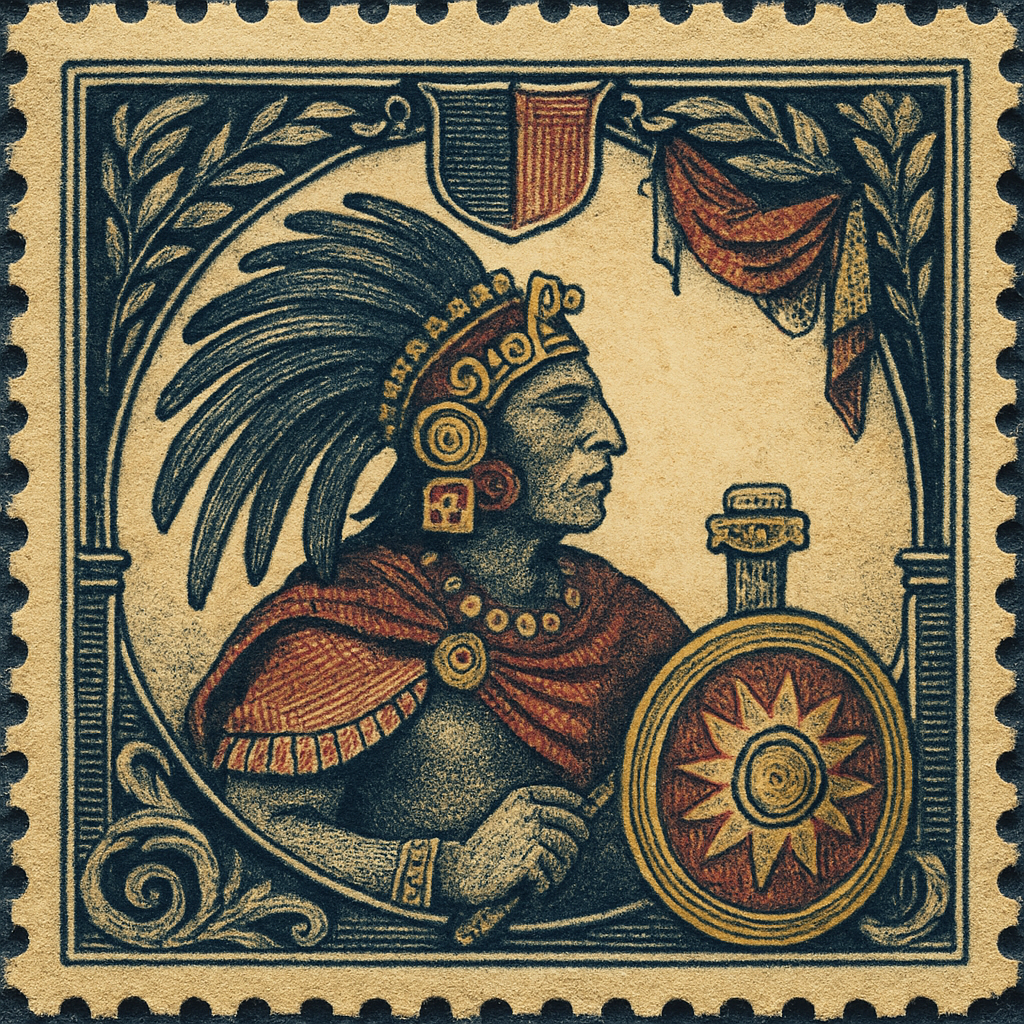
For example, early Mexican stamps sometimes featured Aztec motifs but framed them within a Eurocentric nationalistic context. Indigenous peoples were often portrayed as relics of a distant past rather than living communities with ongoing cultural significance.
Historical Context of Indigenous Representation
The marginalization of indigenous peoples in Latin America is rooted in centuries of colonialism and postcolonial nation-building processes. Many new republics sought to forge unified national identities that often excluded or assimilated indigenous cultures. Stamps, as official state instruments, reflected these political realities.
The Shift Towards Recognition: Mid-20th Century Changes
By the mid-20th century, political and social shifts began challenging the colonial narratives. Indigenous movements gained momentum, and governments slowly started recognizing the cultural and political rights of indigenous communities. This change was mirrored in philatelic issues, with stamps increasingly showcasing indigenous art, traditional dress, and significant cultural ceremonies.
Notable Stamp Issues Celebrating Indigenous Cultures
- Peru’s 1960s Series on Andean Culture: Peru issued stamps highlighting Quechua and Aymara traditions, featuring traditional textiles and festivals.
- Bolivia’s Indigenous Leaders: Mid-century stamps began commemorating indigenous figures such as Túpac Katari, a symbol of indigenous resistance.
- Mexico’s Indigenous Heritage Stamps: Reflecting the country’s rich indigenous mosaic, stamps portrayed Zapotec, Maya, and other cultures with greater authenticity.
These stamps served not only as cultural recognition but also as political statements supporting indigenous rights and visibility.
Modern Portrayals: From Celebration to Advocacy
In recent decades, Latin American countries have embraced indigenous representation more fully. Modern stamp issues often feature vibrant imagery of indigenous festivals, languages, crafts, and leaders, emphasizing living cultures rather than static history.
Stamps have become platforms to promote indigenous languages, environmental stewardship, and social justice causes. For example, Ecuador and Guatemala have issued stamps celebrating the preservation of indigenous languages such as Kichwa and Qʼeqchiʼ, highlighting the importance of cultural diversity.
Collector Tips: Appreciating Indigenous-Themed Stamps
- Research Cultural Context: Understanding the history and significance behind the imagery enhances appreciation. Many stamps commemorate specific events or figures important to indigenous communities.
- Look for Limited Editions: Countries often release limited runs of stamps for indigenous festivals or anniversaries, making them valuable collectibles.
- Preservation Matters: Given the intricate designs and vibrant colors, proper storage helps maintain stamp quality over time.
- Explore Thematic Collections: Indigenous themes span art, history, languages, and activism. Thematic collecting can offer deep insight into cultural narratives.
Interesting Anecdotes: Stories Behind the Stamps
One intriguing example comes from Chile, where a 1990s stamp depicted the Mapuche people’s traditional weaving techniques. The stamp’s release coincided with a resurgence of Mapuche activism, making it both a cultural celebration and a subtle political statement.
In Brazil, a 2010 stamp honoring indigenous environmental leaders highlighted the critical role of indigenous communities in rainforest preservation, drawing international attention to their activism.
How Stamps Influence Cultural Perceptions
Stamps reach a wide audience and can subtly shape public awareness. By featuring indigenous peoples respectfully and accurately, postal authorities contribute to dismantling stereotypes and fostering intercultural understanding.
Visual Summary — Article in Motion
Conclusion
The representation of indigenous peoples on Latin American stamps reveals a broader narrative of cultural recognition and political change. From marginalization rooted in colonial legacies to vibrant celebrations of identity and rights, stamps provide a unique window into evolving societal values. For collectors and historians alike, these miniature works of art tell powerful stories of resilience, pride, and the ongoing journey toward inclusion.