Watch the video
Introduction to Indigenous Art on Australian Postage Stamps
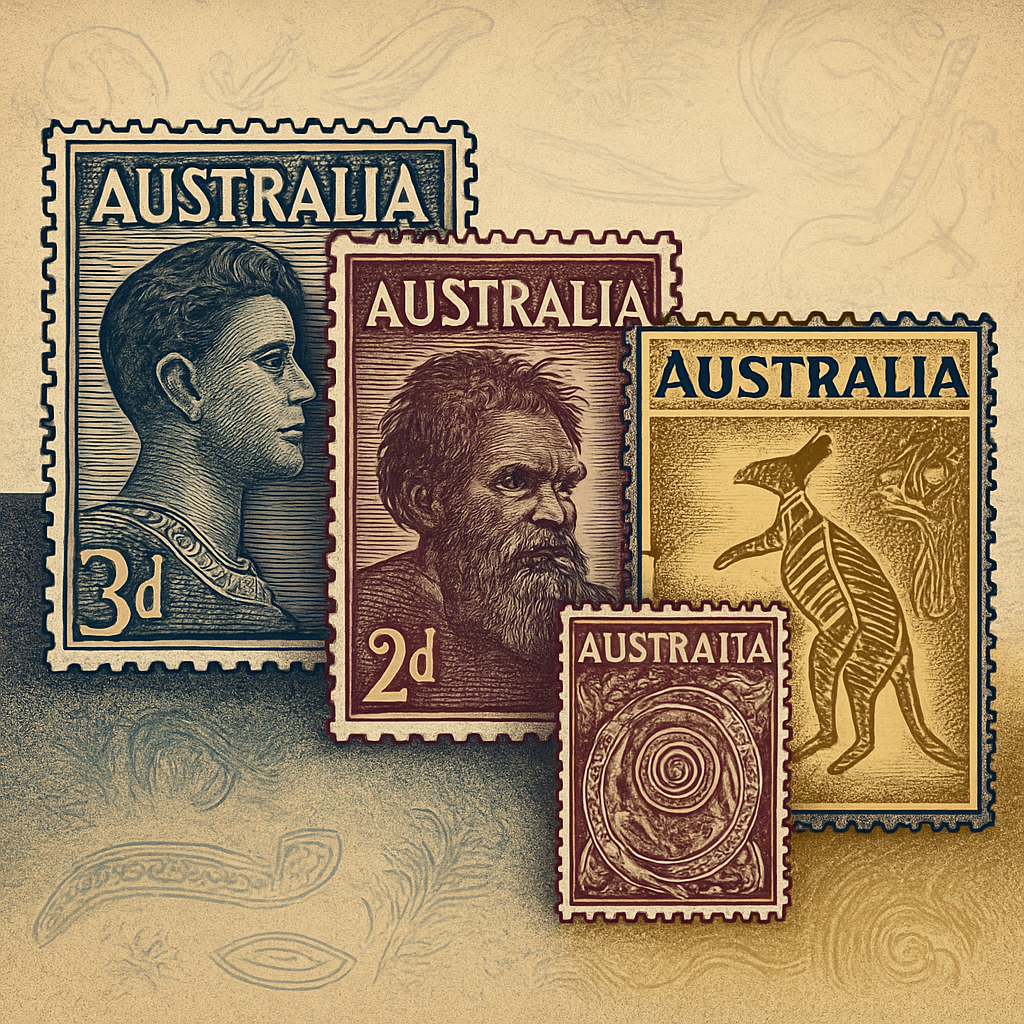
Australia’s postage stamps have long served as miniature canvases reflecting the nation’s rich cultural tapestry. Among the most compelling themes featured are Indigenous art and heritage. These stamps not only celebrate the vibrant traditions of Aboriginal and Torres Strait Islander peoples but also educate the public and promote cross-cultural understanding. Over the decades, Australian postage stamps have evolved from simplistic depictions to sophisticated portrayals of Indigenous symbols, stories, and contemporary artistry.
The Historical Journey of Indigenous Themes in Australian Stamps
The inclusion of Indigenous motifs on Australian stamps traces back to the mid-20th century, although early representations were often limited and occasionally stereotypical. It wasn’t until the 1970s and 1980s that a genuine effort to honor Aboriginal culture emerged, coinciding with broader social movements toward Indigenous rights and recognition.
The 1970s: Early Recognition
One of the earliest notable examples is the 1970 Australian stamp featuring the Aboriginal flag designed by Harold Thomas. Although the flag itself wasn’t officially recognized until later, its appearance on stamps marked a shift towards acknowledging Indigenous identity.
The 1988 Bicentennial Series
In 1988, Australia commemorated its bicentenary with a series of stamps that included Indigenous artworks and themes. This series was a landmark in philatelic history, highlighting Aboriginal culture as an integral part of the national story. The stamps showcased traditional symbols and stories, designed in collaboration with Indigenous artists, signaling respect and partnership.
Iconography and Symbols in Aboriginal Stamp Art
Aboriginal art is rich with symbolism and storytelling, often tied to the Dreamtime—the foundational lore describing the creation of the world and ancestral beings. Australian stamps have captured these motifs to convey deep cultural meanings.
- Dot Painting: One of the most recognizable styles, dot painting uses intricate patterns of dots to form images representing landscapes, animals, and spiritual themes.
- Crossed Lines and Concentric Circles: These symbols frequently appear on stamps to denote waterholes, campsites, or meeting places, essential elements in Aboriginal narratives.
- Animal Totems: Many stamps celebrate native animals such as kangaroos, emus, and the rainbow serpent, each with spiritual significance.
Contemporary Indigenous Artists and Stamp Collaborations
In recent decades, Australia Post has actively collaborated with contemporary Indigenous artists, providing a platform for their work to reach a global audience. These partnerships have brought modern interpretations of ancient traditions, blending vibrant colors and innovative designs.
Notable Artists Featured
- Clifford Possum Tjapaltjarri: Renowned for his detailed dot paintings that narrate complex Dreamtime stories.
- Gloria Petyarre: Famous for her dynamic “Bush Medicine Leaves” series, her art reflects the natural environment and healing traditions.
- John Mawurndjul: His bark paintings and use of rarrk (cross-hatching) techniques have been immortalized on stamps, showcasing Arnhem Land’s artistic heritage.
Collector Tips for Indigenous Art Stamp Enthusiasts
Collecting stamps featuring Indigenous Australian art can be both rewarding and culturally enriching. Here are some tips to enhance your collection:
- Research Provenance: Understand the background of the artist and the cultural significance of the depicted motifs.
- Focus on Limited Editions: Many Indigenous art stamps are released as limited editions or special series, increasing their value and rarity.
- Preserve Authenticity: Store stamps in acid-free albums and avoid exposure to sunlight to prevent fading of the vivid colors.
- Engage with Communities: Whenever possible, support Indigenous artists directly and learn about the stories behind the artworks.
Impact of Indigenous Art on Australian Philately and Beyond
The integration of Indigenous art into Australia’s postage stamps has fostered a greater appreciation of Aboriginal and Torres Strait Islander cultures both domestically and internationally. These stamps serve as educational tools, promoting respect for Indigenous heritage and encouraging dialogue about Australia’s diverse cultural identity.
Moreover, they have influenced other countries to explore Indigenous themes in their philatelic issues, setting a precedent for respectful cultural representation.
Interesting Anecdotes and Historical Facts
- In 2005, Australia Post issued a stamp featuring the work of Emily Kame Kngwarreye, one of Australia’s most celebrated Aboriginal artists, which sparked unprecedented interest in Indigenous art philately.
- The 2016 “Indigenous Art” stamp series incorporated augmented reality technology, allowing collectors to interact with the artwork via smartphones, blending tradition with innovation.
- Some Aboriginal communities view stamps featuring their art as a form of cultural preservation and pride, often using them as educational tools within local schools.
Visual Summary — Article in Motion
Conclusion
Australian postage stamps have evolved into powerful mediums for celebrating Indigenous cultures, bridging the past with the present. Through authentic representations of Aboriginal and Torres Strait Islander art, these miniature artworks foster awareness, respect, and admiration for the world’s oldest living cultures. For collectors and enthusiasts alike, Indigenous art stamps offer a fascinating glimpse into Australia’s rich heritage and a meaningful connection to its stories and traditions.