Watch the video
Introduction to Stamp Collecting and Value Assessment
Stamp collecting, also known as philately, is a fascinating hobby that combines history, art, and the thrill of discovery. While many collectors cherish stamps for their beauty and stories, some are also interested in identifying valuable stamps that can appreciate in worth over time. Knowing how to spot these treasures requires a blend of knowledge, keen observation, and understanding of market trends.
This comprehensive guide explores expert tips for collectors and investors aiming to evaluate stamp value effectively. From understanding the importance of condition to recognizing rare errors and historical significance, you’ll gain practical advice to build a rewarding and potentially profitable stamp collection.
Understanding What Makes a Stamp Valuable
Several factors influence the value of a stamp. Recognizing these can help collectors differentiate between common and prized items.
Rarity and Limited Availability
Rarity is often the most significant driver of a stamp’s value. Stamps issued in limited quantities, those withdrawn early from circulation, or those with small surviving populations tend to command higher prices.
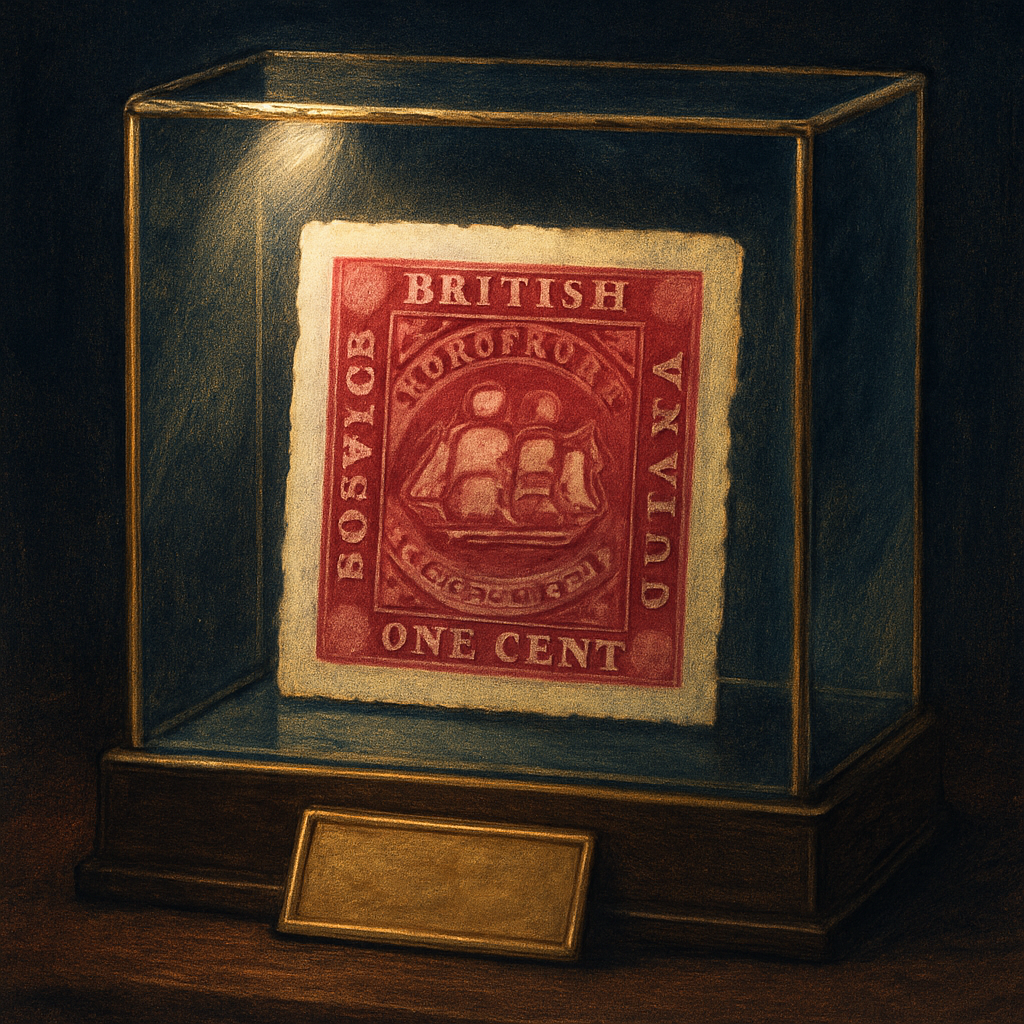
For example, the British Guiana 1c magenta, printed in 1856, is famously unique and considered the world’s rarest stamp. Its scarcity has made it highly coveted among collectors and investors alike.
Condition and Quality
The condition of a stamp is paramount. Experts evaluate several aspects, including:
- Centering: How well the stamp design is positioned within the perforations.
- Gum Condition: The original adhesive on the back should ideally be intact and undisturbed.
- Perforations: Intact and even perforations increase value.
- Cancelation Marks: Light or well-placed cancellations are preferable to heavy or smudged marks.
- Color: Vibrant, unfaded colors are more desirable.
- Damage: Absence of creases, tears, thins, or stains is essential.
Stamps graded as “mint never hinged” (MNH) are often sought after, as they have pristine gum and have never been mounted.
Historical Significance and Provenance
Stamps tied to important historical events, famous personalities, or significant postal innovations can gain value. For instance, stamps issued during wartime or commemorating royal milestones often attract collector interest.
Provenance, or a stamp’s ownership history, can also add value. Stamps previously owned by renowned collectors or featured in famous collections tend to command premiums.
Errors and Varieties
Postal authorities sometimes produced stamps with printing errors or unusual variations. These mistakes can range from color shifts, missing elements, inverted centers, to double prints. Such anomalies are usually rare and highly prized.
An iconic example is the “Inverted Jenny,” a 1918 U.S. airmail stamp featuring an upside-down airplane. Only 100 were printed by mistake, making it one of the most famous error stamps worldwide.
Demand and Market Trends
Ultimately, value is influenced by demand. Popular themes—such as classic stamps from the British Commonwealth, early U.S. issues, or exotic countries—may see price appreciation. Keeping abreast of auction results, dealer listings, and philatelic literature helps collectors identify current market trends.
Practical Tips for Evaluating Stamp Condition
Knowing how to assess the physical condition of stamps is a critical skill for collectors and investors.
Using a Magnifying Glass and Stamp Tongs
Always handle stamps with specialized stamp tongs to avoid oils and dirt from fingers. Use a magnifying glass or loupe to inspect fine details such as perforations, print quality, and any subtle flaws or repairs.
Checking for Repairs and Alterations
Experienced collectors look for signs of repairs like regumming, color touch-ups, or paper restoration. These can significantly reduce a stamp’s value. Under strong light or ultraviolet (UV) light, repairs may become visible.
Assessing Gum Condition
For mint stamps, examine the gum on the back carefully. Original gum should be shiny and undisturbed. Hinged stamps (previously mounted with adhesive) are less valuable than never-hinged ones. Be wary of regummed stamps, which are sometimes passed off as mint.
Evaluating Perforations
Count the perforations per 2 centimeters or per inch and compare with catalog listings. Missing or uneven perforations can degrade value.
Researching Rarity and Catalog Values
Philatelic catalogs are essential tools for collectors, providing detailed information on stamp issues, variants, and estimated values.
Popular Philatelic Catalogs
- Scott Catalogue: Widely used in the United States and internationally, offering detailed listings and pricing.
- Stanley Gibbons Catalogue: The authoritative source for British and Commonwealth stamps.
- Michel Catalogue: The primary resource for German and European stamps.
Use these catalogs to verify issue dates, print quantities, and known errors or varieties.
Consulting Auction Records and Dealer Listings
Studying recent auction results provides real-world data on how much collectors are willing to pay. Many major auction houses publish archives online. Additionally, reputable dealers’ price lists and websites can offer current market insights.
Identifying Valuable Errors and Varieties
Recognizing printing errors and unusual varieties can dramatically increase a stamp’s value. Here are some key points to consider:
Common Error Types
- Inverted Centers: The stamp’s center image is printed upside down.
- Color Errors: Stamps printed in incorrect or missing colors.
- Double Prints: The design is printed twice, often slightly offset.
- Missing Elements: Important parts of the design or text are omitted.
- Perforation Errors: Imperforate stamps or stamps with misplaced perforations.
Such errors are often discovered during the printing process and withdrawn, making surviving examples exceedingly rare.
Verification and Authentication
Because of their value, error stamps are targets for forgeries or alterations. It is vital to seek expert certification from recognized philatelic organizations or expert committees before making large investments.
Building a Valuable Stamp Collection
Collecting valuable stamps requires strategic planning and patience. Here are some guidelines:
Focusing on a Niche
Specializing in a particular country, era, or theme helps deepen knowledge and allows you to spot undervalued gems more easily.
Learning from Experienced Collectors
Joining philatelic societies and attending stamp shows provides opportunities to network, learn, and acquire stamps from trusted sources.
Maintaining Proper Storage
Protecting stamps from humidity, sunlight, and physical damage preserves condition. Use archival-quality albums and stock books. Avoid adhesives like tape or glue.
Keeping Records
Document your collection carefully, including purchase price, provenance, and condition notes. This helps track value and facilitates insurance.
Interesting Anecdotes from the World of Valuable Stamps
The stories behind valuable stamps often add to their allure:
The British Guiana 1c Magenta
Discovered in a British Guiana post office in 1873 by a 12-year-old schoolboy, this unique stamp has passed through the hands of aristocrats, celebrities, and billionaires. It famously sold for $9.48 million at auction in 2014.
The Inverted Jenny
Only one sheet of 100 inverted airplane stamps was sold in 1918 before the error was caught. Today, individual stamps from that sheet can sell for hundreds of thousands of dollars.
The Treskilling Yellow
Sweden’s 1855 Treskilling stamp was printed in yellow instead of the usual green due to a printing error. Only one copy is known to exist, making it one of the rarest and most valuable stamps.
Visual Summary — Article in Motion
Conclusion
Spotting valuable stamps is an exciting and rewarding endeavor for collectors and investors alike. By understanding the key factors that influence value—rarity, condition, historical significance, errors, and demand—you can make informed decisions and build a collection with both personal enjoyment and potential financial appreciation.
Remember to handle stamps carefully, utilize reputable resources, and seek expert advice when necessary. With patience and passion, your philatelic journey can uncover treasures that stand the test of time.