Watch the video
Introduction
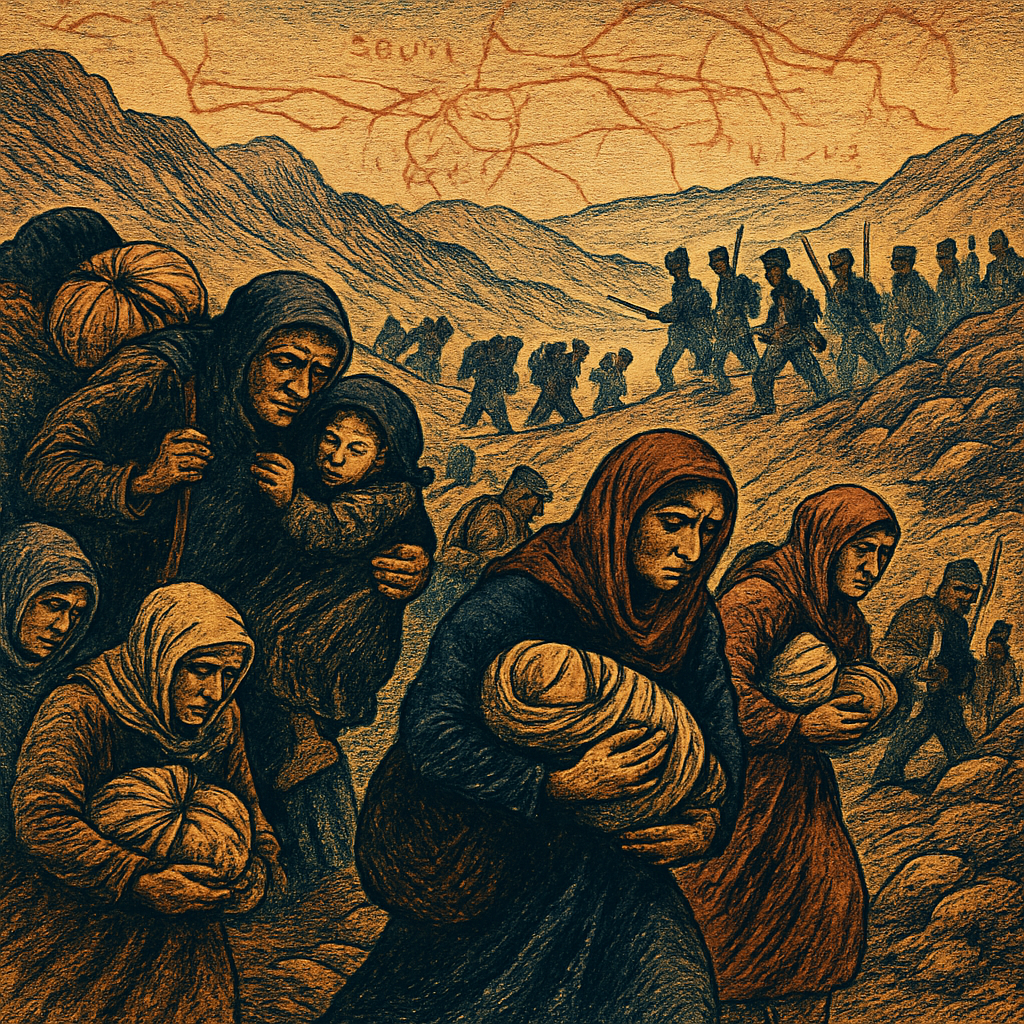
The Armenian Genocide, which took place during World War I from 1915 to 1923, remains one of the darkest chapters in modern history. Over 1.5 million Armenians were systematically exterminated by the Ottoman Empire, and countless others were forced into exile. Amidst this devastation, postal communications emerged as an unexpected yet poignant testament to displacement, survival, and resilience. Stamps, covers, and postal routes used by Armenian refugees provide a unique window into their struggles and hopes during and after the genocide.
Historical Context: The Armenian Genocide and Forced Displacement
Between 1915 and 1923, Armenians living in the Ottoman Empire faced mass deportations, forced marches, and massacres. Survivors fled across borders to neighboring countries such as Syria, Lebanon, and Iran, and later to Europe and the Americas. These refugees not only sought physical safety but also endeavored to maintain connections with dispersed family members and communities.
Postal services, despite the chaos of war and displacement, became a crucial lifeline. The ability to send and receive mail was often a sign of hope and normalcy in an otherwise uncertain world.
The Role of Postal Communications in Refugee Survival
Post during the Armenian Genocide was more than just a means of communication—it was a symbol of endurance. Refugees used postal networks to:
- Keep in touch with separated loved ones: Families scattered across continents used letters to share news and emotional support.
- Coordinate aid and relief efforts: Humanitarian organizations communicated through mail to deliver food, medical supplies, and shelter.
- Preserve cultural identity: Postal stamps and covers often featured Armenian symbols, language, and heritage, reinforcing a sense of belonging.
Challenges in Postal Service During the Genocide
Despite its importance, postal communication faced numerous obstacles:
- Disrupted routes: War zones and shifting borders made traditional postal routes unreliable or inaccessible.
- Censorship and confiscation: Ottoman authorities often intercepted or destroyed mail from Armenians.
- Lack of standardized stamps: In refugee camps and diaspora communities, improvised or overprinted stamps were common, reflecting the fragmented state of postal services.
Stamps and Covers as Historical Artifacts
Philatelists and historians value stamps and covers related to the Armenian Genocide for their rich historical significance. These artifacts offer insights into:
- Migration patterns: Postmarks and routing information reveal the paths refugees took.
- Political changes: Overprinted stamps or provisional issues indicate shifts in governance and territorial control.
- Personal stories: Handwritten letters and addresses provide intimate glimpses into individual experiences.
Notable Examples of Armenian Genocide Postal History
Several types of postal items stand out for their historical relevance:
- Armenian Red Cross Mail: During and after the genocide, the Armenian Red Cross operated postal services to assist refugees, often marked with distinctive cachets.
- Refugee Camp Covers: Mail sent from camps in Syria and Lebanon sometimes bore unique stamps or postmarks issued by local authorities or relief organizations.
- Overprinted Ottoman Stamps: Some surviving mail features Ottoman stamps overprinted with Armenian inscriptions or symbols as an assertion of identity.
Postal Routes and Their Significance
The study of postal routes used by Armenian refugees illustrates the wider geopolitical landscape of the early 20th century Middle East and beyond.
Key Routes for Armenian Refugees
- From Anatolia to the Levant: Many refugees traveled south through Syria and Lebanon, utilizing postal services established by French and British mandates.
- Transit through Iran: Some Armenians fled eastwards to Persia (modern-day Iran), where mail was routed through local and international postal systems.
- Emigration to Europe and the Americas: Diaspora communities maintained postal links with relatives left behind, using steamship mail and early airmail services.
Postal Markings as Evidence of Displacement
Postmarks and cancellations often carry the names of refugee camps, provisional administrations, or temporary post offices. Collectors can trace these markings to map the journey of displaced Armenians, giving voice to stories otherwise lost to history.
Collector Tips for Armenian Genocide Postal History
For philatelists interested in this poignant area of collecting, here are some expert tips:
- Focus on provenance: Authenticity is paramount. Seek items with documented origin or expert certification.
- Look for postal markings: Postmarks from refugee camps, Red Cross mail, or overprinted stamps can add significant historical value.
- Preserve condition: Fragile covers and stamps should be handled with care and stored properly to prevent deterioration.
- Research context: Understanding the historical background enriches the appreciation and value of the collection.
The Importance of Preserving Postal History from the Armenian Genocide
These postal artifacts are not merely collectibles; they are vital testimonies to human suffering and resilience. They document the endurance of a people who, despite attempts to erase them, maintained their identity and connections through the written word.
By preserving and studying these items, historians, collectors, and descendants can honor the memory of the victims and survivors, ensuring that the lessons of the past inform a more compassionate future.
Visual Summary — Article in Motion
Conclusion
The postal stories of Armenian Genocide refugees reveal a deeply human dimension of history, one told through stamps, letters, and routes. These artifacts serve as silent witnesses to exile, loss, and survival, bridging past and present. For collectors and historians alike, they offer a powerful reminder of the enduring spirit of a displaced people and the critical role postal communications played in their journey.