Watch the video
Introduction to Espionage and Postal History
Throughout history, espionage has been an essential element of warfare and intelligence gathering. Long before digital communication, secret agents and intelligence operatives relied heavily on the postal system to send messages covertly. Stamps and postal history offer a fascinating window into these clandestine activities, revealing how wartime spy networks utilized everyday mail to transmit secret information. This article explores the intriguing intersection of espionage and philately, highlighting the creative methods employed to disguise communications and the pivotal role stamps played in psychological operations during conflicts.
The Role of Postal Systems in Wartime Espionage
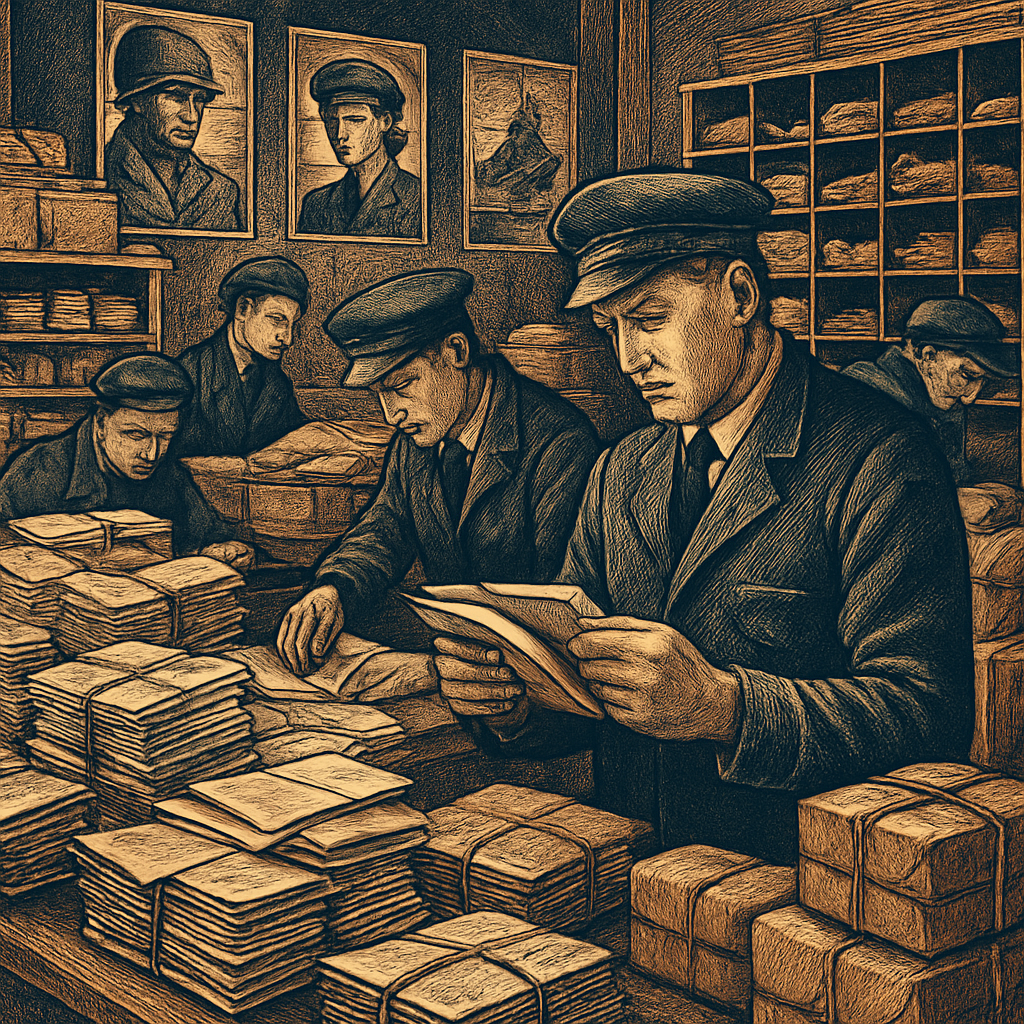
During times of conflict, communication channels are often closely monitored, making it challenging for spies and resistance networks to exchange information. Postal systems, however, provided a surprisingly effective medium for covert communication. The sheer volume of mail and the trust placed in postal services allowed secret messages to slip through enemy lines under the guise of ordinary correspondence.
Advantages of Using the Mail for Espionage
- Wide Reach: Postal networks connected even remote regions, enabling communication across borders and occupied territories.
- Concealment within Normalcy: Ordinary letters and parcels attracted less suspicion compared to telegraphic or telephone communications.
- Use of Codes and Ciphers: Messages could be encrypted using invisible ink, microdots, or coded language.
- Exploitation of Postal Regulations: Some wartime postal censorship rules inadvertently facilitated covert exchanges.
Challenges and Risks
Despite its advantages, using postal systems for espionage was not without risk. Mail could be intercepted, delayed, or destroyed by enemy censors, and discovery of secret messages could lead to severe consequences for the sender and recipient. Nevertheless, ingenious methods evolved to mitigate these risks.
Historical Examples of Stamps and Mail in Espionage
World War I: Invisible Ink and Microdots
During the First World War, intelligence agencies frequently employed invisible ink to write secret messages between the lines of ordinary letters. For example, British and German spies used substances that became visible only under heat or chemical treatment. Additionally, microdots—tiny photographs reduced to the size of a period—were hidden within the text or glued behind postage stamps.
An interesting anecdote from this era involves the German spy network known as the “Red Orchestra,” which used microdots hidden behind stamps on letters sent to neutral countries, relaying critical intelligence back to Berlin.
World War II: The Coded Letters and Psychological Operations
World War II saw even more sophisticated uses of mail in espionage. Resistance groups in Nazi-occupied Europe used coded language and prearranged phrases within seemingly innocent letters to communicate plans and locations. For example, a letter referencing a “birthday party” might signal a covert meeting.
Moreover, the British Special Operations Executive (SOE) employed psychological operations using postage stamps. They produced forged stamps of Axis countries with subtle propaganda messages or symbols embedded in the design to undermine enemy morale.
The Cold War: Diplomatic Mail and Espionage
During the Cold War, diplomatic pouches and mail became key vehicles for intelligence exchange. Stamps on diplomatic mail often bore special markings or cachets indicating immunity from inspection, which spies exploited to transport secret documents. The Soviet Union and the United States both used mail drops and coded postcards to relay information between agents and handlers.
Techniques for Concealing Messages in Stamps and Mail
Invisible Ink and Chemical Methods
Invisible ink remains one of the most famous methods for hiding messages on letters and stamps. Spies applied special inks between stamp perforations or on the reverse side of envelopes. When heated or treated with chemicals, these inks revealed hidden text invisible to censors.
Microdots and Microprinting
Microdots allowed entire pages of text or photographs to be reduced to a tiny dot, often concealed beneath a stamp or within the letter’s margins. This method was so effective that it sometimes required microscopes to detect.
Steganography in Postal Markings
Beyond the letter and the stamp, postal markings, cancellations, and even the choice of stamps themselves could convey coded information. For instance, ordering specific stamps in a sequence could constitute a prearranged message, while postmarks from certain towns might signal meeting points.
Collector Tips: Identifying Espionage-Related Postal Artifacts
For philatelists interested in the intersection of espionage and postal history, several clues can help identify stamps and covers with a secret past:
- Unusual Postal Markings: Look for atypical postmarks, censor marks, or cachets that may indicate wartime mail inspection.
- Physical Anomalies: Thin spots on paper, tiny holes, or glued-on microdots can suggest concealed messages.
- Historical Context: Covers sent from or to known espionage hubs, such as neutral countries or occupied territories, may be suspect.
- Expert Authentication: Consult philatelic experts or forensic examiners to detect invisible inks or steganographic elements.
Collecting framed stamp displays featuring espionage-related mail can add a unique and captivating dimension to any collection. Obelisk Stamps offers expertly curated displays that preserve these historical treasures while telling their compelling stories.
The Psychological Impact of Postal Espionage
Beyond the transmission of information, postal espionage often served psychological warfare objectives. Propaganda stamps, forged mail, and falsified postal communications were tools to sow confusion, paranoia, and mistrust among enemy forces and civilians.
For example, during World War II, the Allies produced counterfeit German stamps and dropped them in occupied territories to undermine the legitimacy of Nazi postal services. Such operations demonstrated the power of postage as a medium for influence and subversion.
Preserving Postal Espionage History
Postal artifacts linked to espionage are invaluable historical documents. Museums, philatelic societies, and private collectors continue to preserve covers, stamps, and correspondence that reveal the secret lives of wartime mail. Digital archives and forensic technologies now enable deeper analysis, uncovering hidden inks and coded messages once invisible to the naked eye.
Collectors and historians alike benefit from understanding the stories behind these items, which bring to life the complex interplay between communication, secrecy, and conflict.
Visual Summary — Article in Motion
Conclusion
The fusion of espionage and postal history offers a rich, multifaceted narrative about how stamps and mail systems served as silent battlegrounds during times of war. From invisible inks and microdots to psychological operations involving postage, these methods highlight human ingenuity in overcoming communication barriers. For collectors, historians, and enthusiasts, exploring this niche of philately provides not only rare artifacts but also captivating stories of courage, deception, and survival.