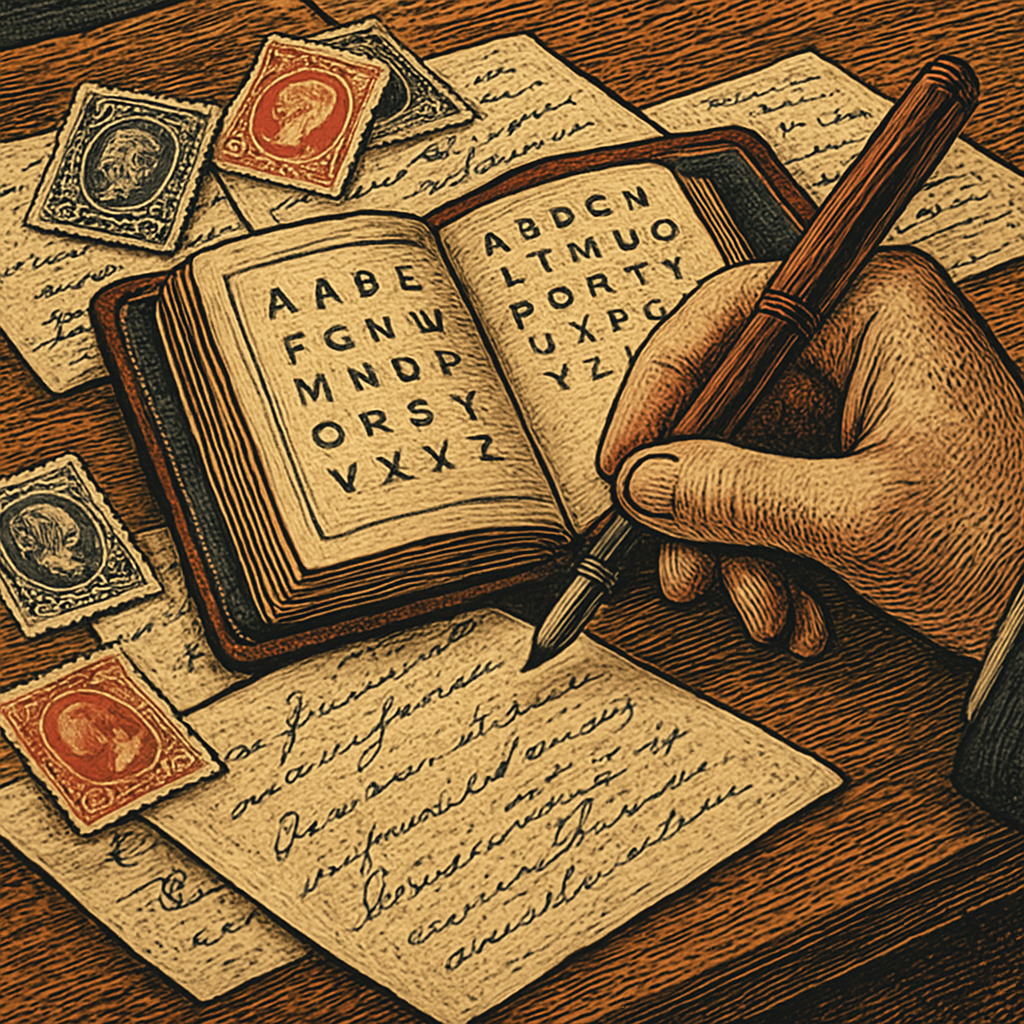
Watch the video
Introduction to Espionage in World War I
The First World War marked a turning point not only in military technology and battlefield tactics but also in the realm of intelligence and espionage. As nations grappled with unprecedented global conflict, spies and intelligence agents employed innovative methods to gather and transmit sensitive information. Among these methods, the use of postal systems—letters, stamps, and other mail paraphernalia—emerged as a vital tool for covert communication. This article explores the fascinating world of World War I espionage by mail, revealing how seemingly innocuous letters and stamps were transformed into instruments of secrecy and subterfuge.
The Role of Postal Systems in Early 20th Century Intelligence
Before the widespread use of radio and encrypted telegraphy, postal services were the lifelines of communication. Governments and armies relied heavily on mail for orders, reports, and personal correspondence. However, the openness of postal routes also made them attractive to spies who sought to exploit the system’s inherent trust and reach. Postal espionage encompassed a variety of techniques, including coded messages hidden within letters, microdots concealed in stamps, and the use of secret inks and invisible markers.
Historical Context: Postal Services in WWI
During World War I, both the Allied and Central Powers maintained extensive postal networks. The British Royal Mail, the German Reichspost, and others operated under strict censorship policies, but these were often circumvented by ingenious agents. The volume of mail was immense, and the need to balance security with operational efficiency created vulnerabilities that spies could exploit.
Techniques of Espionage by Mail
Coded Correspondences and Steganography
One of the most prevalent methods used by spies was the embedding of secret codes within seemingly ordinary letters. These codes could take the form of substitution ciphers, acrostics, or cleverly disguised linguistic patterns that only the recipient could decipher. For example, a letter might appear to discuss mundane family matters but contain hidden instructions for troop movements or sabotage plans.
Steganography—the art of hiding messages within other messages or objects—also played a crucial role. Agents often concealed microdots, tiny photographs or texts reduced to a minuscule size, within the adhesive gum of stamps or inside the folds of envelopes. These microdots required magnification to be read and were nearly impossible for censors to detect without specialized equipment.
Invisible Inks and Chemical Messaging
Invisible inks made from organic substances such as lemon juice, milk, or specially prepared chemical compounds were widely used. When heated or treated with specific reagents, the hidden text would appear, revealing secret messages. Such inks were particularly effective when combined with mundane letters, further reducing suspicion.
Utilizing Stamps as Espionage Tools
Stamps themselves became a medium for covert communication. Some spies used stamps with unique perforations or slight color variations to signal particular meanings. Others would affix stamps in unusual positions on envelopes to convey prearranged messages. For example, a stamp placed upside-down or skewed might indicate the urgency or content of the enclosed letter.
Notable Cases of Postal Espionage in World War I
The Zimmermann Telegram: A Postal Intelligence Breakthrough
One of the most famous episodes of postal espionage in World War I wasn’t a letter sent through regular mail but a coded telegram intercepted by British intelligence. The Zimmermann Telegram, sent by German Foreign Minister Arthur Zimmermann to Mexico, proposed a military alliance against the United States. Although transmitted via telegraph, its interception and decoding showcased the importance of signals intelligence and the vulnerabilities of communication systems during the war.
German Spy Networks Using Postal Channels
German espionage agents frequently used civilian mail to pass information to contacts abroad. In one documented case, an agent in the United States used innocuous postcards with coded messages hidden in the choice of words and punctuation. These messages guided sabotage efforts targeting munitions factories and shipping routes critical to the Allied war effort.
British and French Counter-Espionage Efforts
In response, British and French intelligence agencies developed sophisticated postal censorship and surveillance programs. The British MI5 Postal Censorship Section examined millions of letters to detect suspicious patterns or encrypted content. They also employed philatelists—stamp experts—to identify stamps with unusual characteristics that might indicate espionage activity.
Collector’s Perspective: Espionage and Philately
For stamp collectors and historians, wartime postal espionage adds a captivating layer of intrigue to philately. Stamps and covers (envelopes with postal markings) from the World War I era can reveal hidden stories of espionage, coded messages, and secret exchanges. Collectors often seek out covers with censor marks, unusual stamps, or annotations that hint at covert operations.
Tips for Collectors Interested in Espionage-Related Postal Items
- Study Postal Markings: Look for censor stamps, military postmarks, and unusual routing indications that might suggest intelligence activity.
- Research Stamp Varieties: Minor differences in stamp perforations or colors could signify their use in coded communications.
- Examine Letter Content: When available, scrutinize the text of letters for patterns, peculiar language, or references that may have a double meaning.
- Consult Historical Records: Cross-reference postal items with known espionage cases or intelligence archives for context.
Famous Espionage-Related Postal Memorabilia
Some postal items have become prized collector’s pieces due to their association with espionage. For example, covers bearing censor marks from MI5 inspections or envelopes suspected of carrying microdots offer tangible connections to the shadowy world of wartime intelligence.
Legacy of Postal Espionage in Modern Intelligence
The ingenuity displayed by World War I spies in using mail systems laid the groundwork for future developments in covert communication. Although technology has evolved dramatically since then, the principles of disguising messages, exploiting trusted communication channels, and using seemingly innocuous objects remain central to intelligence work.
Today’s intelligence agencies continue to study historical cases of postal espionage to understand vulnerabilities and improve security protocols. For historians and collectors alike, these artifacts offer invaluable insights into the intersection of communication, secrecy, and conflict.
Visual Summary — Article in Motion
Conclusion
Espionage by mail during World War I reveals a compelling chapter in the history of intelligence, where letters and stamps transcended their ordinary roles to become vessels of secrecy and strategy. The creativity and risk undertaken by spies highlight the critical importance of communication in warfare. For collectors, these postal artifacts provide a fascinating glimpse into the clandestine operations that helped shape the course of history. As we continue to uncover and preserve these stories, the hidden world of espionage through mail remains a testament to human ingenuity under pressure.