Watch the video
Introduction to Stamp Printing Errors
Stamp collecting, or philately, is a fascinating hobby that intertwines history, art, and culture. Among the most captivating aspects of this pursuit are the printing errors—those rare misprints and mistakes that inadvertently turned ordinary postage stamps into coveted treasures. These errors not only tell stories about the complexities of stamp production but also highlight how human oversight can create unexpected value. In this article, we explore the top 10 stamp printing mistakes that have made history and why collectors around the world cherish them.
Understanding Stamp Printing Processes
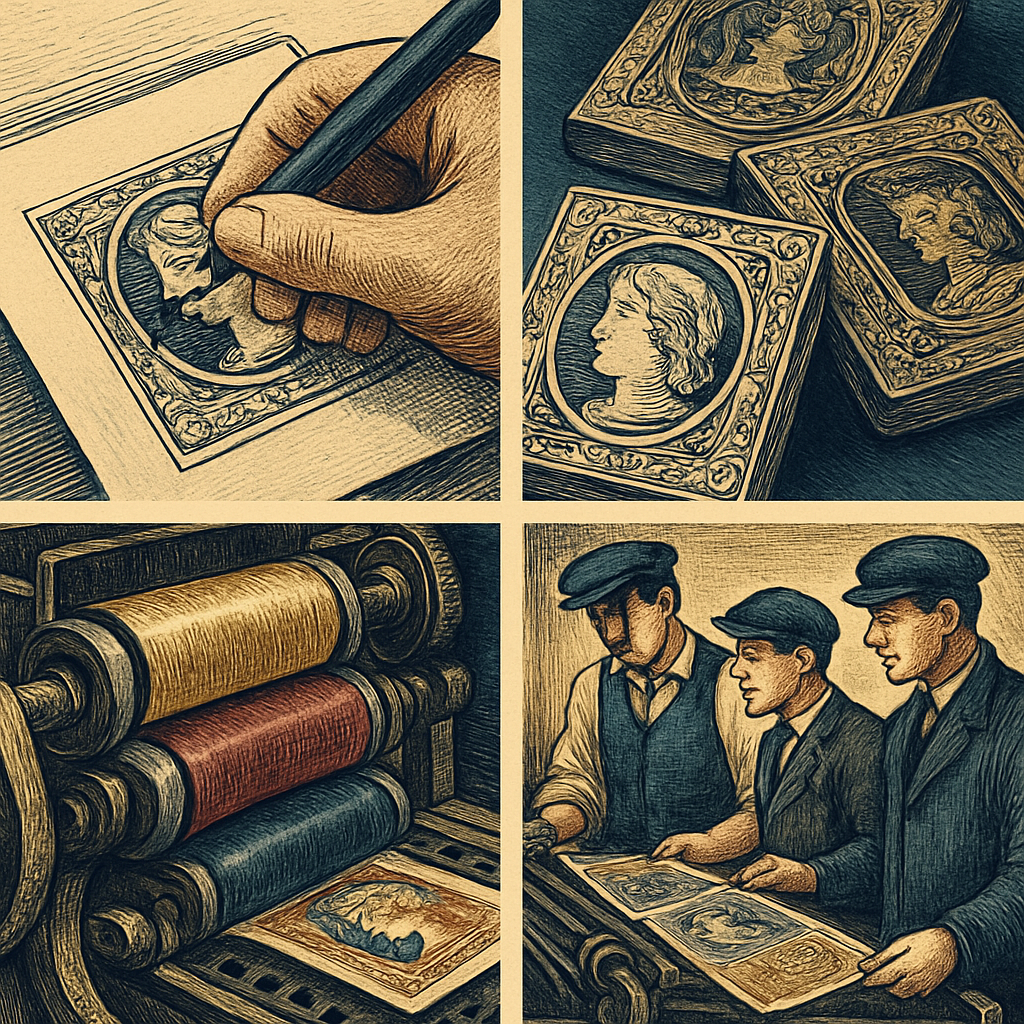
Before delving into specific errors, it helps to understand how stamps are produced. Traditional stamp printing involves multiple steps: design, engraving or lithography, color separation, plate making, and the final printing process. Most stamps require several color layers, each applied separately. The complexity of these processes makes errors possible, ranging from color shifts and missing elements to inverted prints.
Why Stamp Errors Are Highly Valued by Collectors
Errors in stamps are prized for several reasons. First, their rarity makes them unique collectibles. Second, these mistakes often come with intriguing stories about printing mishaps. Third, they represent a physical snapshot of human error and industrial challenges in a particular era. Collectors enjoy the thrill of discovery, and owning an error stamp often elevates a collection’s prestige and value.
Top 10 Stamp Printing Errors That Made History
1. The Inverted Jenny (USA, 1918)
Arguably the most famous stamp error ever, the Inverted Jenny features a Curtiss JN-4 airplane printed upside down. This airmail stamp was issued in 1918 and quickly became legendary after a sheet of 100 was discovered with the plane inverted due to a printing plate error. The rarity and striking visual mistake have made the Inverted Jenny one of the most sought-after and expensive stamps.
2. The British Guiana 1c Magenta (1856)
While not a printing error per se, the British Guiana 1c Magenta is unique due to its limited production and distinctive design anomalies. Produced under emergency circumstances, this stamp’s crude appearance and rarity have made it famous. It serves as a reminder of how production challenges can inadvertently create priceless collectibles.
3. The Treskilling Yellow (Sweden, 1855)
This error occurred when the Swedish 3-skilling stamp was accidentally printed in yellow instead of green. Only one such yellow stamp is known to exist, making it one of the rarest and most valuable stamps in the world. The color swap likely happened due to confusion between printing plates, demonstrating how simple mistakes can lead to historical significance.
4. The Mauritius “Post Office” Error (1847)
The Mauritius “Post Office” stamps are among the earliest issues from the island. Their name derives from the inscription “Post Office” instead of the intended “Post Paid,” which was a printing error. These stamps are legendary in philately and showcase how typographical mistakes can turn stamps into prized artifacts.
5. The Hawaii Missionaries (1851)
These first stamps of Hawaii were printed with several errors, including inverted frames and color variations. Due to the island’s remote location and limited print runs, these errors have become highly collectible, highlighting how geographic isolation influenced early stamp production quality.
6. The Canadian “Missing Leaf” Stamp (1868)
This error involves the 12½ cent stamp of Canada, which was supposed to feature a maple leaf in the frame but was printed without it. The missing leaf error is extremely rare and valued for its subtlety. It underscores how small design elements can become critical in collectors’ eyes when omitted.
7. The United States 24-cent Curtis Invert (1869)
Similar to the Inverted Jenny, the 24-cent Curtis stamp from the 1869 pictorial series was printed with an inverted central vignette. Only a few examples survive, and the error is a prime example of the challenges in aligning multi-colored stamp plates.
8. The German “Red Mercury” (1856)
This rare stamp from Bavaria features a misprint in its color shades. The “Red Mercury” is named for its distinctive red color, which was an error variant compared to the usual shades. Its rarity and history tied to early German states make it a prized collector’s item.
9. The USSR “Lenin Invert” (1924)
This Soviet stamp shows an inverted portrait of Lenin due to a printing plate error. It was quickly withdrawn, making surviving copies extremely scarce. The political significance and rarity combine to make it a fascinating piece of philatelic history.
10. The Australian “Kangaroo and Map” Inverts (1913)
Australia’s first definitives featured a kangaroo over a map of the continent. Some print runs included invert errors where the central design was upside down relative to the frame. These errors are highly collectible and illustrate the technical difficulties of early 20th-century printing.
Common Types of Stamp Printing Errors
- Inverted Centers: The stamp’s central image is printed upside down relative to the frame.
- Color Errors: Incorrect or missing colors due to plate mixing or ink mistakes.
- Double Prints: Images printed twice, often slightly offset.
- Missing Elements: Key design components omitted unintentionally.
- Perforation Errors: Misaligned or missing perforations affecting stamp separation.
- Overprint Mistakes: Errors in added text or surcharge overprints.
How to Identify and Authenticate Stamp Errors
Identifying genuine stamp errors requires careful examination and expertise. Collectors should consider the following tips:
- Use a Magnifying Glass or Microscope: To spot subtle misprints or color variations.
- Consult Reference Catalogs: Specialized catalogs document known errors and varieties.
- Seek Expert Opinions: Professional philatelic societies and experts can verify authenticity.
- Check Provenance: Well-documented history increases confidence in an error’s legitimacy.
- Beware of Forgeries: Some errors are faked due to their high value; professional certification helps avoid scams.
Tips for Collectors Interested in Stamp Errors
- Begin with well-documented error issues to build confidence.
- Attend philatelic exhibitions and auctions to see rare errors firsthand.
- Join stamp clubs and online forums to share knowledge and resources.
- Invest in quality storage and framing solutions to preserve delicate error stamps.
- Keep up to date with philatelic news for newly discovered errors and market trends.
Interesting Anecdotes About Famous Stamp Errors
The Inverted Jenny’s discovery story is as fascinating as the stamp itself. A collector named William T. Robey bought the sheet from a New York post office clerk who had overlooked the error. Robey’s foresight transformed a simple mistake into an iconic symbol of American philately.
Similarly, the Treskilling Yellow was saved from obscurity by a Swedish collector who recognized the color discrepancy decades after its issuance. Its sole existence has sparked intense bidding wars at auctions, with prices reaching millions of dollars.
Visual Summary — Article in Motion
Conclusion
Stamp printing errors are more than just mistakes; they are windows into the history and artistry of philately. From the dramatic inverted images to subtle color swaps, these errors captivate collectors by combining rarity, story, and beauty. Whether you are a seasoned collector or new to the hobby, exploring these fascinating errors can deepen your appreciation and enrich your collection.
At Obelisk Stamps, we celebrate the unique charm of stamps, including their rare errors, through our handcrafted framed displays. Preserve these historical treasures and showcase them proudly with our premium products designed for discerning collectors.