Watch the video
Introduction to Southeast Asia’s Colonial Postal History
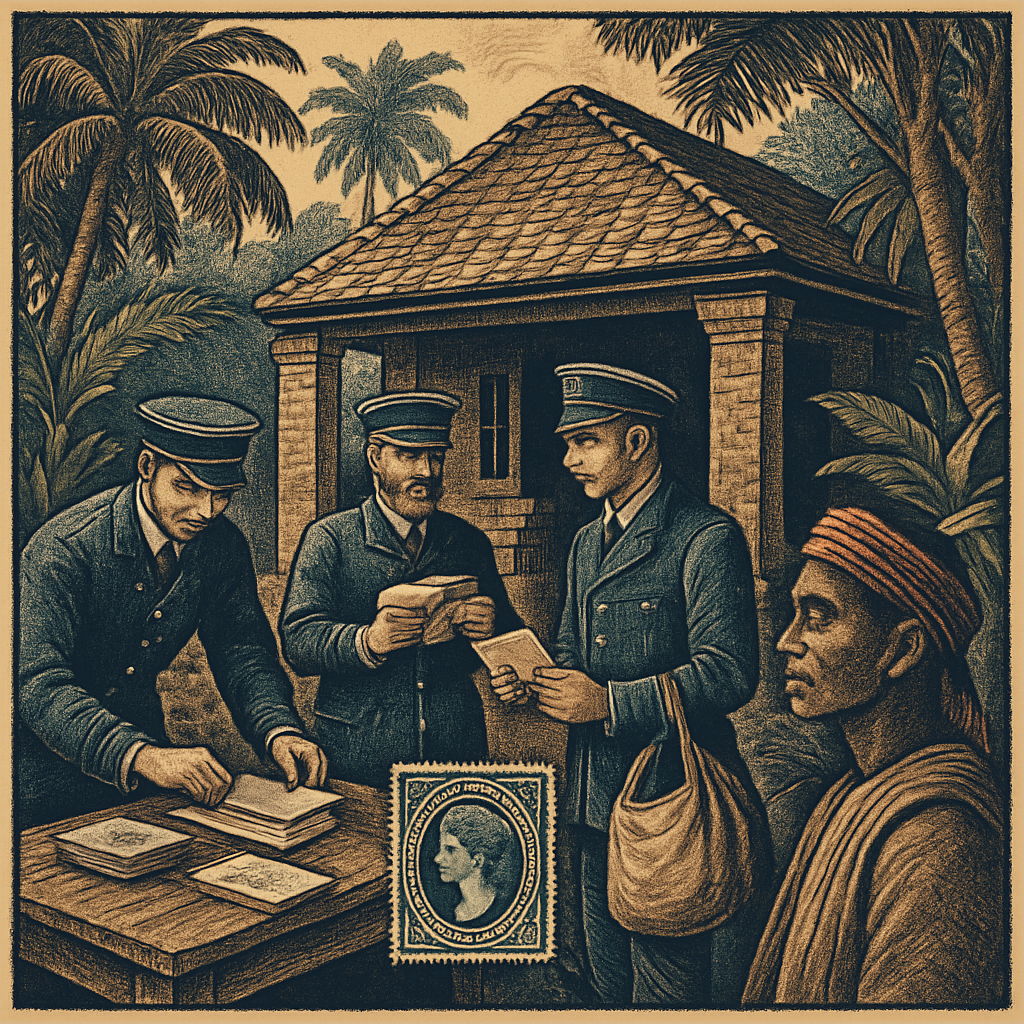
The stamps of Southeast Asia offer a fascinating window into the region’s complex colonial past, revealing stories of imperial ambition, cultural exchange, and the gradual emergence of national identity. From the dense jungles of Burma (now Myanmar) to the sprawling archipelago of Indonesia, colonial powers such as the British, Dutch, and French utilized postage stamps not only as tools of communication but also as symbols of sovereignty and control.
This article explores how these small pieces of paper serve as historical documents, tracing the evolution of postal systems under colonial rule and their transformation into emblems of independence and cultural pride. By examining the stamps issued across Southeast Asia during the colonial era, collectors and historians alike can gain insight into the broader geopolitical and social dynamics that shaped the region.
British Colonial Postal History: Burma and Malaya
Establishment of Postal Services in British Burma
British Burma, annexed progressively throughout the 19th century, saw its first official postal services established in the 1850s. Initially, the postal system was part of the British Indian postal administration, using Indian stamps before Burma issued its own in 1937 when it became a separate colony.
The earliest stamps featured British monarchs, symbolizing imperial authority. However, as local identity began to assert itself, designs started to incorporate Burmese motifs and inscriptions in local scripts, reflecting a subtle form of cultural synthesis amid colonial dominance.
Malaya: A Mosaic of States and Postal Issues
The British presence in Malaya was more fragmented, comprising several states and settlements each issuing its own stamps. From the Straits Settlements to the Federated Malay States, postal issues varied greatly, often featuring local symbols alongside imperial imagery.
For example, the Straits Settlements’ stamps included images of Queen Victoria and King Edward VII, while the Federated Malay States introduced designs showcasing local flora and fauna, such as the rafflesia flower. This blending of imperial and indigenous elements on stamps illustrated the complex interplay between colonial rulers and local cultures.
Collector Tips: Identifying British Colonial Stamps of Southeast Asia
- Look for Overprints: During transitions, stamps were often overprinted to reflect changes in administration, such as the shift from Indian to Burmese postal authority.
- Study Watermarks and Paper Types: Variations in paper and watermark designs can indicate different print runs or issues, important for determining rarity.
- Pay Attention to Inscriptions: Inscriptions in local languages or dual scripts often signify stamps issued during later colonial periods when local identity was acknowledged.
Dutch Colonial Postal History: The Indonesian Archipelago
Introduction of Dutch Postal Services
The Dutch East Indies, comprising present-day Indonesia, had one of the earliest organized postal services in Southeast Asia, established in the mid-19th century. The first stamps issued in 1864 featured the Dutch monarch, King William III, underscoring the colonial connection.
Over time, stamps began to include imagery reflecting the diverse cultures and landscapes of the archipelago, such as native temples, traditional costumes, and tropical flora. These depictions served both to exoticize the colony for European audiences and to subtly acknowledge its unique identity.
Impact of Japanese Occupation During WWII
The Japanese occupation from 1942 to 1945 brought significant changes to the postal system. Japanese-issued stamps replaced Dutch ones, often overprinted with Japanese characters or new designs emphasizing the wartime regime. These stamps are highly sought after by collectors due to their historical significance and limited issuance.
Transition to Indonesian Independence
Following the end of WWII, Indonesia declared independence in 1945, leading to a complex period of conflicting postal authorities. Early Indonesian stamps featured nationalist symbols and slogans, marking a clear departure from colonial imagery.
Collectors interested in this transitional period should seek out overprints and provisional issues, which provide a tangible record of Indonesia’s struggle for sovereignty.
French Colonial Postal History: Indochina and Beyond
French Indochina’s Postal Development
French Indochina, comprising modern-day Vietnam, Laos, and Cambodia, developed its postal system under French administration starting in the late 19th century. The first Indochinese stamps, issued in 1886, combined French imperial motifs with local architectural landmarks such as Angkor Wat, symbolizing the fusion of French and indigenous cultures.
Stamps from this era often featured bilingual inscriptions in French and local languages, reflecting both colonial authority and the linguistic diversity of the region.
Resistance and Nationalist Expression Through Stamps
As nationalist movements gained momentum, local groups used stamps as subtle tools of resistance. Some clandestine issues and overprints carried messages of independence or cultural revival, although these were often suppressed by colonial authorities.
Post-World War II saw a surge in stamps commemorating nationalist leaders and indigenous heritage, heralding the eventual end of French colonial rule.
Collector Insights: French Indochina Philately
- Identify Key Themes: Look for stamps featuring indigenous temples, colonial officials, and bilingual inscriptions.
- Watch for Overprints: These often indicate political shifts or provisional administrations.
- Condition Matters: Due to tropical climates and wartime disruptions, well-preserved French Indochina stamps are particularly valuable.
Stamps as Symbols of Imperial Control and Emerging National Identities
Throughout Southeast Asia, postage stamps served dual roles. On one hand, they were instruments of colonial authority, bearing the images of monarchs, colonial emblems, and official languages. On the other, they became canvases for expressing local culture, pride, and resistance.
The gradual inclusion of indigenous motifs, local scripts, and nationalist iconography on stamps mirrors the broader political and social transformations in these colonies. For philatelists, these stamps are not just collectibles but narratives of empire and emancipation.
Interesting Anecdotes
- The “Inverted Center” Curiosity: In the Dutch East Indies, a famous printing error known as the “inverted center” on certain stamps is one of the rarest colonial stamp errors, fetching high prices among collectors.
- Burma’s Overprinted Indian Stamps: Prior to issuing its own stamps, Burma used Indian stamps overprinted with “BURMA,” reflecting administrative shifts and becoming prized by specialists.
- French Indochina’s Angkor Wat Series: The depiction of Angkor Wat on stamps was among the earliest examples of incorporating local heritage into colonial postal issues, influencing later nationalist designs.
Practical Tips for Collecting Southeast Asian Colonial Stamps
- Research Historical Context: Understanding the colonial history helps identify the significance of different issues.
- Join Specialized Philatelic Societies: Groups focused on Southeast Asian or colonial stamps provide valuable resources and community support.
- Use Quality Storage Solutions: The humid tropical environment can damage stamps; protective albums and climate control are essential.
- Verify Authenticity: Beware of forgeries, especially for rare overprints and wartime issues; expert appraisal is recommended.
- Attend Auctions and Exhibitions: These events are excellent for discovering rare items and networking with other collectors.
Visual Summary — Article in Motion
Conclusion
The stamps of Southeast Asia’s colonial era are more than mere postal artifacts; they are echoes of empire, resistance, and cultural synthesis. Through their evolving designs and usages, they narrate the story of imperial powers imposing their will, local identities asserting themselves, and nations emerging from the shadows of colonialism.
For collectors and history enthusiasts, these stamps offer a rich tapestry of stories waiting to be uncovered—each one a miniature masterpiece reflecting the complexities of Southeast Asia’s past.