Watch the video
The Origins of the British Guiana 1c Magenta Stamp
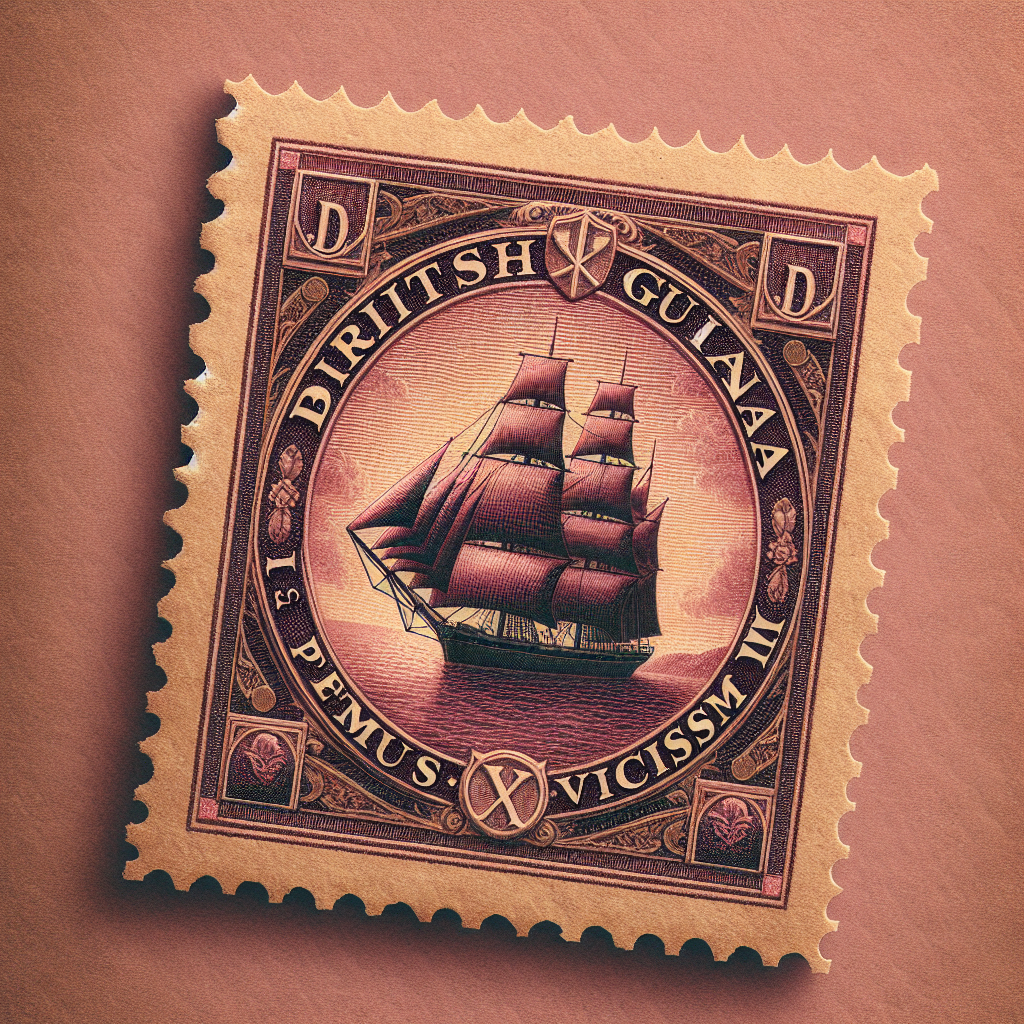
The British Guiana 1c Magenta stamp holds a unique place in philatelic history as the rarest and most valuable stamp worldwide. Issued in 1856 in the then British colony of British Guiana (modern-day Guyana), this humble stamp was originally a practical solution to a local shortage rather than a planned rarity. The colony’s postmaster, facing a shortage of official stamps, authorized a local printer to produce a temporary batch of stamps, including the one-cent magenta, to maintain postal services.
What makes the 1c Magenta extraordinary is that only one specimen is known to exist today. Printed on magenta-colored paper, this small square stamp features a simple design with a sailing ship and the colony’s motto, “Damus Petimus Que Vicissim” (We give and seek in return). The stamp was intended for newspaper postage, a low-value necessity, which contributes to its initial lack of perceived value.
The Stamp’s Journey Through Time
After its issuance, the 1c Magenta seemed destined for obscurity. However, its story took a remarkable turn in 1873 when a Scottish schoolboy named Louis Vernon Vaughan discovered it among his uncle’s papers. Vaughan sold the stamp to a local collector, and from there, the 1c Magenta began its ascent to legendary status. Over the next century and a half, the stamp changed hands multiple times, each owner recognizing its unparalleled rarity and desirability.
Famous Owners and Their Stories
- Count Philipp von Ferrary: A renowned stamp collector of the early 20th century, Ferrary owned the 1c Magenta as part of his vast and prized collection. His assemblage was later auctioned off after World War I.
- Arthur Hind: An American textile magnate, Hind purchased the stamp in 1922 for $35,000, a staggering sum at the time. His obsession with the stamp was so intense that he reportedly destroyed rival copies to ensure its uniqueness.
- John du Pont: The eccentric millionaire and philanthropist acquired the stamp in 1980. Du Pont’s ownership added an air of intrigue due to his controversial life, including his involvement in sports and legal troubles.
- Stuart Weitzman: The renowned shoe designer purchased the stamp for nearly $10 million in 2014, cementing its status as a cultural and financial icon.
Why Is the British Guiana 1c Magenta So Valuable?
The value of the 1c Magenta stems from several factors that resonate deeply within the philatelic community and beyond:
- Unparalleled Scarcity: Being the only known surviving specimen makes it a one-of-a-kind treasure.
- Historical Significance: It represents an early colonial postal solution and reflects the ingenuity of local authorities in the 19th century.
- Provenance and Ownership: Its chain of distinguished owners adds layers of narrative and prestige.
- Cultural Impact: The stamp transcends philately, symbolizing rarity and exclusivity in popular culture.
Record-Breaking Sales and Auctions
The British Guiana 1c Magenta has repeatedly shattered records at auctions, often grabbing headlines worldwide. In 2014, it sold for $9.48 million at Sotheby’s in New York, setting a world record for the highest price ever paid for a single stamp. This event captured the imagination of collectors and the general public alike, underscoring the stamp’s legendary status.
Collector Tips: How to Approach Rare Stamp Collecting
While acquiring a stamp like the 1c Magenta is beyond most collectors’ means, its story offers valuable lessons for philatelists at all levels:
- Research Provenance: Understanding the history and ownership of a stamp can greatly enhance its value and appeal.
- Condition Matters: Even rare stamps must be well-preserved to command top prices.
- Authentication Is Crucial: Due to the high stakes, expert verification is essential to avoid forgeries.
- Patience Pays Off: Building a collection with rare and meaningful pieces requires time and dedication.
- Consider Framed Displays: Presenting stamps in handcrafted frames not only protects but also showcases their beauty and history, making them conversation pieces and cherished heirlooms.
Interesting Anecdotes and Trivia
The British Guiana 1c Magenta is not only valuable but also surrounded by fascinating stories:
- During World War II, the 1c Magenta was hidden in a safe to protect it from possible theft or damage.
- Arthur Hind’s reputed destruction of other specimen copies, if true, would make the 1c Magenta’s survival even more miraculous.
- The stamp’s design was created under tight constraints and printed locally with limited resources, resulting in its distinctive, somewhat crude appearance.
- The stamp’s signature, often added by various owners, serves as a unique authentication mark, a practice uncommon in modern philately.
Visual Summary — Article in Motion
Conclusion
The British Guiana 1c Magenta is far more than just a postage stamp; it is a symbol of rarity, history, and human fascination with the unique. Its journey from a practical postal necessity to the world’s most coveted philatelic treasure captures the imagination of collectors and historians alike. Whether you are an avid stamp collector or simply intrigued by extraordinary stories, the tale of the 1c Magenta offers a compelling glimpse into the rich tapestry of postal history and the enduring allure of rarity.