Watch the video
Introduction to Caribbean Emancipation on Postage Stamps
The Caribbean’s history is deeply intertwined with the transatlantic slave trade, colonial exploitation, and the eventual triumph of emancipation. Postage stamps, often overlooked as mere tools for mailing, have served as vibrant canvases memorializing significant historical milestones, including the end of slavery. These miniature works of art not only celebrate freedom but also educate and inspire collectors worldwide. In this article, we explore how Caribbean nations have commemorated emancipation through their postage stamps, reflecting on pivotal dates, influential freedom leaders, and the cultural journey from colonial subjugation to sovereign independence.
The Historical Context of Emancipation in the Caribbean
The Caribbean was a major hub of the transatlantic slave trade from the 16th through the 19th centuries. Enslaved Africans were brought in vast numbers to work on plantations producing sugar, coffee, and other commodities essential to European economies. The fight for freedom was long and arduous, punctuated by revolts, resistance, and legislative changes culminating in emancipation.
Many Caribbean countries celebrate their emancipation on dates tied to the abolition of slavery within their territories. For example, August 1st is widely recognized as Emancipation Day across several islands, marking the Slavery Abolition Act of 1833 which took effect in 1834 in British colonies, including much of the Caribbean.
Pivotal Dates in Caribbean Emancipation
- 1834: Slavery Abolition Act passed by the British Parliament, marking the beginning of the end of slavery in British Caribbean colonies.
- 1848: The abolition of slavery in the French Caribbean colonies, notably Martinique and Guadeloupe, following uprisings.
- 1863: The emancipation of enslaved people in Dutch Caribbean colonies, including Suriname and the Netherlands Antilles.
- 1886: The abolition of slavery in Cuba, one of the last Caribbean territories to emancipate enslaved people.
Postage Stamps as Historical Narratives
Postage stamps are powerful storytellers. In the Caribbean, stamp designs have commemorated emancipation by illustrating important figures, cultural symbols, and key events. These stamps serve not only as postage but also as educational tools and national pride expressions.
Collecting emancipation-themed stamps offers insights into how different islands view their past and celebrate their identities. Through vivid colors, detailed engravings, and symbolic imagery, these stamps encapsulate moments of liberation and resilience.
Notable Emancipation Stamps in Caribbean Philately
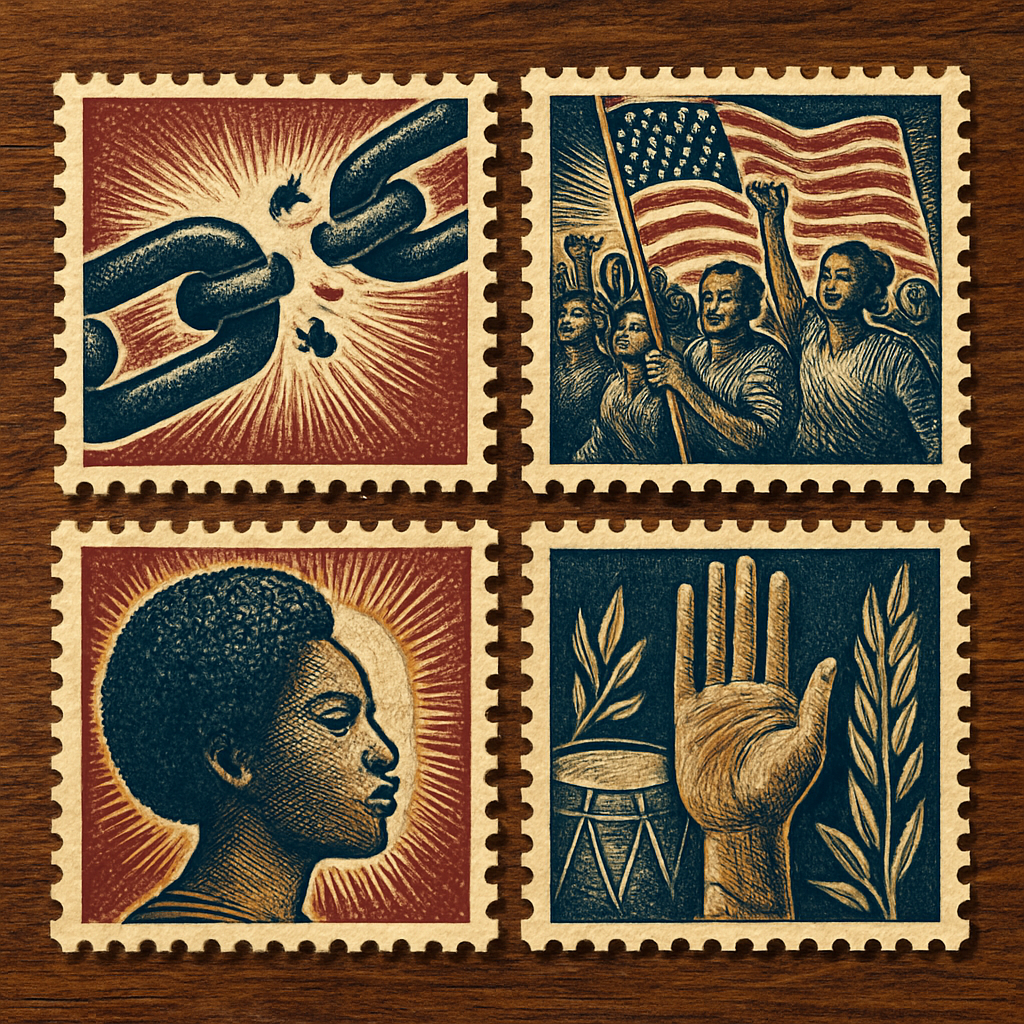
- Jamaica’s 1969 Emancipation Issue: Issued to mark the 135th anniversary of emancipation, it featured images of freed slaves breaking chains, symbolizing freedom and hope.
- Barbados 1984 Emancipation Centenary: This set portrayed prominent abolitionists and scenes from the emancipation celebrations, highlighting the island’s rich history.
- Trinidad and Tobago’s 1987 Emancipation Stamp: Showcased the iconic Emancipation Day celebrations, including traditional dances and ceremonies honoring African heritage.
- Guyana’s 1983 Stamp Series: Commemorated 150 years of emancipation with stamps depicting historical leaders and events pivotal to the abolition movement.
Influential Freedom Leaders Featured on Stamps
Caribbean postage stamps often highlight freedom fighters and abolitionists who played critical roles in ending slavery. These figures are immortalized on stamps as symbols of courage and leadership.
- Samuel Sharpe (Jamaica): Known as the leader of the 1831 Baptist War, a significant slave rebellion that pressured the British government to abolish slavery.
- Toussaint Louverture (Haiti): The revolutionary leader whose efforts led to Haiti becoming the first Black republic and the first independent Caribbean nation in 1804.
- Mary Prince (Bermuda and British Colonies): A former slave whose autobiography helped fuel the abolitionist movement in Britain.
- Joseph Chatoyer (Saint Vincent and the Grenadines): Led the indigenous Garifuna resistance against British colonial forces, symbolizing the fight for freedom.
The Artistic Expression of Emancipation in Stamp Design
Stamp designers blend history, art, and symbolism to create compelling images that resonate with collectors and the public alike. Emancipation-themed stamps often incorporate motifs such as broken chains, rising suns, and cultural dances that signify liberation and renewal.
Many Caribbean stamps utilize bright, vibrant colors to evoke the region’s lively spirit and resilience. The use of traditional African patterns and imagery connects the past with cultural heritage, reinforcing identity and pride.
Collector Tips for Emancipation-Themed Caribbean Stamps
- Research Historical Context: Understanding the stories behind the stamps enhances their value and appreciation.
- Look for Special Editions: Many Caribbean countries issue limited-run stamps on significant anniversaries, often with unique designs and higher collectible value.
- Preserve Condition: Keep stamps in protective mounts or albums to prevent damage from moisture and sunlight.
- Explore Thematic Collections: Emancipation stamps can be part of broader collections focusing on human rights, African heritage, or Caribbean history.
- Consult Philatelic Societies: Joining organizations focused on Caribbean stamps can provide valuable insights, trading opportunities, and access to rare issues.
Philatelic Celebrations and Exhibitions
Caribbean postal administrations often issue commemorative stamps during Emancipation Day celebrations, accompanied by special cancellations and first-day covers. These events attract philatelists and historians, fostering awareness of the emancipation legacy.
International stamp exhibitions sometimes feature Caribbean emancipation issues, highlighting the region’s unique contribution to philately and history. Such exhibitions offer collectors opportunities to view rare stamps and learn from experts.
Visual Summary — Article in Motion
Conclusion
Postage stamps from the Caribbean serve as miniature monuments to the struggle and triumph of emancipation. They preserve the memory of those who fought for freedom and celebrate the rich cultural heritage born from resilience. For collectors and historians alike, these stamps offer a window into the past and a symbol of hope for the future, making them invaluable treasures in the world of philately.