Watch the video
The Cultural Significance of the ‘American Folklore’ Stamp Series
In the 1970s, the United States Postal Service embarked on a unique philatelic journey that celebrated the rich tapestry of American folklore through a dedicated series of postage stamps. This ‘American Folklore’ series illuminated beloved legendary figures such as Paul Bunyan, Johnny Appleseed, and Pecos Bill, preserving their narratives in miniature works of art carried across the nation and the world. Beyond their function as postage, these stamps became intimate visual chronicles of cultural heritage, inviting collectors and historians alike to delve into the stories that have shaped regional and national identities.
Origins and Development of the Series
During the late 1960s and early 1970s, there was a heightened national interest in celebrating American cultural roots amid social and political transformations. The United States Postal Service, recognizing the power of stamps as conveyors of history and culture, initiated the ‘American Folklore’ series in 1971. The series reflected a deliberate effort to honor folk heroes whose tales had been passed down through oral and written traditions, often with regional variations that underscored the diversity of American experience.
The project was overseen by the USPS Citizens’ Advisory Committee, a group dedicated to ensuring that stamp subjects resonated with the American public. The series ran sporadically through the decade, with six stamps issued between 1971 and 1978[1], each featuring a different folklore figure. Designers were commissioned to create imagery that was both evocative and authentic, drawing on folk art motifs and period-appropriate aesthetics.
Paul Bunyan: The Giant Lumberjack of the Northwoods
Arguably the most iconic figure in the series, Paul Bunyan, made his stamp debut in 1971. Known as the giant lumberjack whose exploits explained natural landmarks and the vastness of the American frontier, Paul Bunyan’s legend originated in the oral traditions of North American loggers in the early 20th century. The stamp depicted Bunyan wielding his enormous axe, with the outline of Babe the Blue Ox in the background, capturing the mythic scale of his tales.

An interesting anecdote involves the design process: artist Bradbury Thompson, renowned for his work in graphic design[2] and typography, was tasked with representing Bunyan’s larger-than-life persona. To evoke the rustic and rugged feel, Thompson incorporated elements reminiscent of woodcut prints, lending the stamp an authentic folk art texture. Released on September 24, 1971, in Bangor, Maine—a region deeply connected with logging culture—the stamp was greeted with enthusiasm by both the public and philatelists.
Johnny Appleseed: The Orchard Pioneer
Following Bunyan, the 1972 stamp featured Johnny Appleseed, the legendary nurseryman and folk hero known for planting apple trees across the American frontier. The story of Johnny Appleseed, whose real name was John Chapman[3], is a blend of fact and folklore centered on themes of generosity, pioneering spirit, and environmental stewardship. The stamp illustrated him with a sack of apple seeds, surrounded by blossoming trees, symbolizing growth and hope.
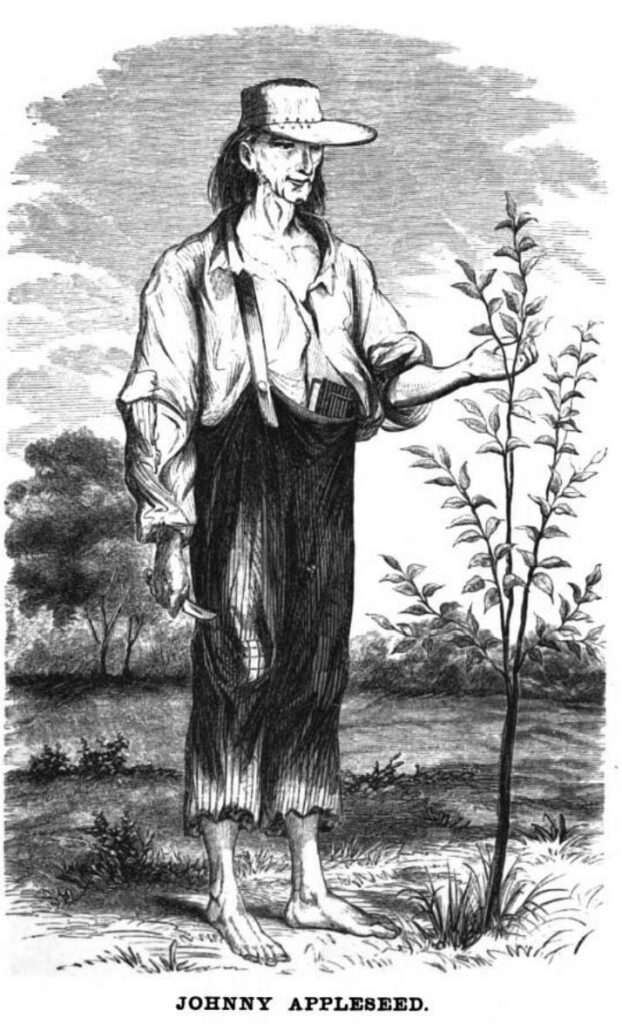
Collectors often highlight the stamp’s delicate watercolors, which contrasted with the more robust imagery of Paul Bunyan. The design was executed by illustrator Bradbury Thompson again, who sought to capture the gentle nature of Johnny Appleseed’s legend. Notably, the stamp was first issued in Fort Wayne, Indiana, on March 26, 1972, a city with direct historical ties to Chapman’s life, thus deepening the cultural resonance of the release.
Other Figures in the Series: Pecos Bill, John Henry, and More
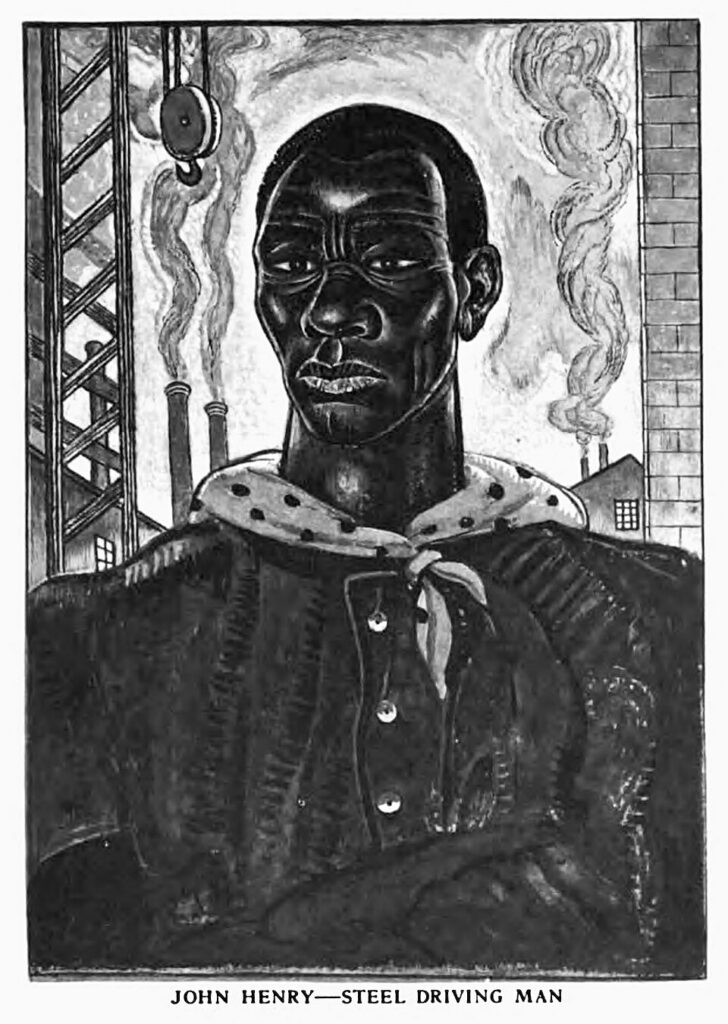
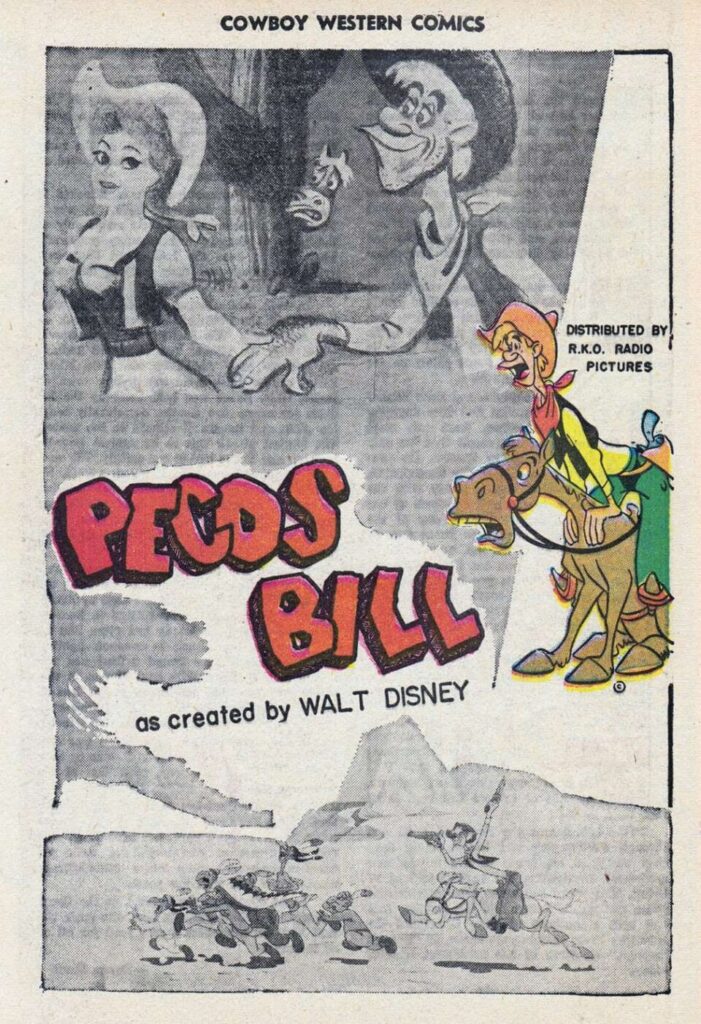
The series also commemorated other folk heroes, including Pecos Bill, the cowboy of the American Southwest known for his exaggerated feats; John Henry, the steel-driving man symbolizing human endurance against industrialization; and Davy Crockett, the frontiersman and folk legend. Each stamp was crafted to reflect the distinct regional origins and cultural contexts of these figures.
For example, the Pecos Bill stamp, issued in 1974, showcased the figure riding a tornado, a popular image from Southwestern folklore. The John Henry stamp, released in 1978, portrayed the hero gripping a hammer, emphasizing his legendary contest against a steam-powered hammer. These stamps not only honored the characters but also the communities and histories they represented.
Practical Tips for Collectors Interested in the Series
- Seek First Day Covers (FDCs): These are envelopes bearing the stamp canceled on its first day of issue, often with special cachets illustrating the folklore figure, adding depth to the narrative.
- Research Regional First Issue Postmarks: Many stamps were released in locations tied to the legends, such as Bangor, Maine for Paul Bunyan or Fort Wayne, Indiana for Johnny Appleseed, which can add provenance and value.
- Examine Stamp Condition and Variants: Variations in printing, such as color shifts or perforation differences, can be critical for advanced collectors and worth detailed examination.
Storytelling through Iconography and Design
The ‘American Folklore’ stamp series exemplifies how postage stamps transcend their utilitarian purpose by serving as visual storytellers. Each design carefully balances artistic expression with cultural authenticity, drawing from historical accounts, folk art traditions, and regional symbolism. The use of bold colors, stylized figures, and background motifs invites the viewer to engage with the stories behind the images, making each stamp a narrative capsule.
Philatelist and historian Dr. Linda Parker notes, “This series is a masterclass in how stamps can preserve intangible cultural heritage. By immortalizing folk heroes, the USPS created miniature monuments that travel and communicate history in everyday objects.” Collectors often recount how holding these stamps evokes a connection to the American landscape and its mythic past, enriching their appreciation beyond mere collection.
Legacy and Influence on Postal Storytelling
The impact of the ‘American Folklore’ series rippled beyond the 1970s, influencing subsequent USPS issues that explored cultural themes. It demonstrated that stamps could serve as platforms for storytelling that embrace diversity, regional identities, and historical reflection. The series encouraged a generation of collectors to view stamps as gateways to folklore and national memory.
Moreover, the series inspired philatelic exhibitions and educational programs that highlighted the intersection of art, history, and mythology. For instance, a 1975 exhibit at the Smithsonian Institution showcased the series[4] alongside artifacts related to the folk heroes, underscoring the series’ role in cultural preservation.
Conclusion
The ‘American Folklore’ stamp series of the 1970s stands as a remarkable chapter in philatelic history, where postage stamps became storytellers of the nation’s rich mythic traditions. Through vivid artwork and thoughtful design, figures like Paul Bunyan and Johnny Appleseed were immortalized, connecting collectors to the narratives that shaped American cultural identity. For enthusiasts of stamps and folklore alike, this series offers a profound reminder of how postal artifacts can serve as intimate, visual narratives bridging history, art, and society.
Visual Summary — Article in Motion
References
- United States Postal Service, 'A Guide to USPS Stamp Programs', 1978
- Bradbury Thompson Papers, University of North Carolina Libraries, 1971 https://finding-aids.lib.unc.edu/04771/
- Library of Congress, 'John Chapman: The Real Johnny Appleseed', 2020 https://www.loc.gov/collections/american-folklore/articles-and-essays/johnny-appleseed/
- Smithsonian National Postal Museum, 'American Folklore Stamps', 2019 https://postalmuseum.si.edu/exhibition/american-folklore-stamps