Watch the video
Islamic Architecture in the Maldives: A Cultural and Religious Pillar
The Maldives, a sprawling archipelago of over 1,000 coral islands in the Indian Ocean, is renowned for its idyllic beaches and vibrant marine life. Yet, beyond its natural beauty lies a rich cultural tapestry woven tightly with Islamic traditions. Since the nation’s conversion to Islam in the 12th century, mosques have been central to community life, serving not only as places of worship but also as symbols of identity and heritage. The architectural styles of Maldivian mosques reflect the unique confluence of local island materials, regional influences, and Islamic design principles.
The Emergence of Mosque Imagery in Maldivian Philately
Stamps have long been a mirror of a country’s history, culture, and values. In the Maldives, postal issues featuring local mosques provide an intimate glimpse into the islanders’ enduring faith and artistic expression. While the Maldivian postal service began issuing stamps in 1906[1], it was much later that religious architecture, especially mosques, became a recurrent subject in stamp design. These stamps serve as visual ambassadors, highlighting the architectural diversity and spiritual significance of various island mosques to collectors and the wider world.
Early Mosque Depictions and Their Significance
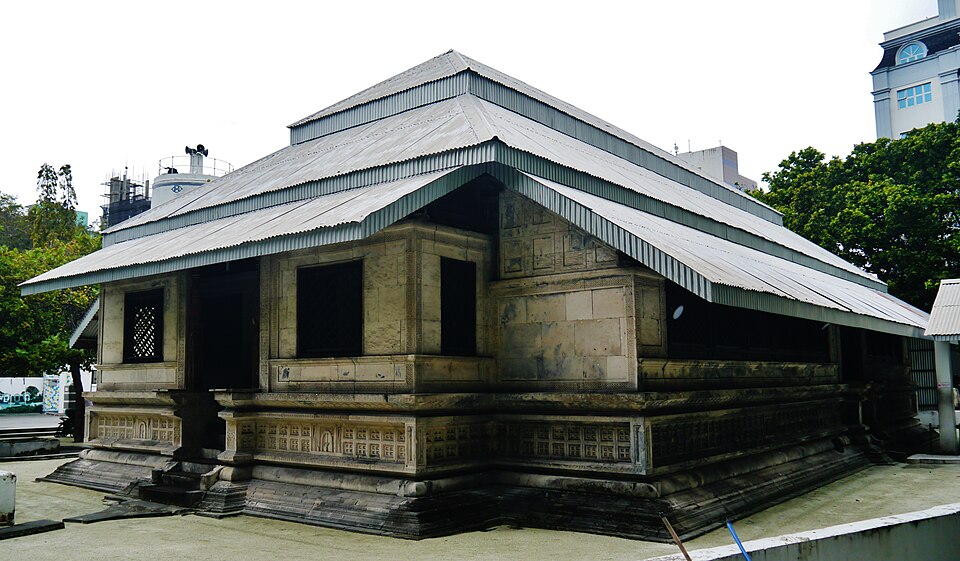
One of the earliest Maldivian stamps to feature mosque imagery was issued in 1966, showcasing the Hukuru Miskiy, or Old Friday Mosque,[2] located in Malé, the capital. Built in 1656, this mosque is famed for its intricate coral stone carvings and timber work, representing a pinnacle of Maldivian craftsmanship. This stamp not only celebrated the mosque’s architectural grandeur but also underscored the importance of preserving cultural heritage amid modernization.
The choice of the Hukuru Miskiy for one of the earliest mosque stamps was deliberate. It is the oldest mosque still in use in the Maldives and symbolizes the deep-rooted Islamic faith of the islanders. Featuring it on a stamp allowed for the dissemination of this cultural narrative internationally, particularly at a time when the Maldives was asserting its identity as a newly independent nation.
Varieties of Local Mosque Stamps: A Philatelic Journey through Island Faith
Subsequent stamp issues expanded to include other mosques from different atolls, each revealing unique architectural features shaped by local environmental and cultural contexts. These stamps highlight the diversity within Maldivian mosque architecture, which ranges from coral stone structures to wooden mosques adorned with intricate latticework.
- Fenfushi Mosque (issued 1981): Located in the Alif Alif Atoll, this mosque is known for its coral stone construction and elaborate wood carvings. The stamp featuring Fenfushi Mosque reflects the island’s craftsmanship and the adaptation of Islamic architectural motifs to local materials.
- Villingili Mosque (issued 1993): This mosque, nestled in the island of Villingili, is characterized by its simple yet elegant design, combining whitewashed walls with ornamental wooden doors and windows. The stamp portrays the serene spirituality of the community and the mosque’s role as a communal hub.
- Thulhaagiri Mosque (issued 2004): From the Raa Atoll, Thulhaagiri Mosque’s depiction emphasizes the use of coral stone and the distinctive Maldivian minaret, which differs from the traditional Middle Eastern style[3] by its squat, cylindrical form.
Symbolism and Artistic Interpretation in Mosque Stamps
Maldivian mosque stamps often balance fidelity to architectural detail with artistic expression. The vibrant colors, clear lines, and meticulous engraving techniques employed by Maldivian postal designers enhance the stamps’ visual appeal, making them prized items among philatelists who specialize in religious themes or Islamic art.
Moreover, the stamps do not merely serve as postal currency but as educational tools, offering insights into the islanders’ religious devotion and the ingenuity behind building mosques with limited resources. For instance, the use of coral stones, a readily available material, showcases sustainable construction methods adapted to the island environment.
Anecdotes of Collectors and Historical Moments
One notable story involves British philatelist John Hargreaves, who in 1985 embarked on a journey to the Maldives specifically to acquire rare mosque stamps. He recounted visiting local mosque communities, where he was welcomed and shown the intricate carvings that inspired the stamps. His collection later became one of the most comprehensive exhibits on Islamic architecture in island nations.
Another fascinating episode occurred in 2006, when the Maldives issued a commemorative stamp series marking the 350th anniversary of the Hukuru Miskiy. This issue sparked increased interest among collectors worldwide, leading to a surge in demand for earlier mosque-themed stamps. Local postal authorities reported a noticeable uptick in philatelic tourism as enthusiasts traveled to Malé to explore the mosque and its history firsthand.
Practical Tips for Collecting Maldivian Mosque Stamps
For philatelists interested in Maldivian mosque stamps, several practical considerations can enhance the collecting experience:
- Research Limited Editions: Many mosque stamps were issued in limited runs or as part of commemorative series. Consulting specialized stamp catalogs and Maldivian postal archives can help identify rare issues.
- Condition and Authenticity: Given the tropical climate, many older stamps may suffer from humidity damage. Seek stamps with clear cancellation marks or mint condition for optimal value. Purchasing from reputable dealers or auctions ensures authenticity.
- Engage with Local Experts: Maldivian philatelic societies and cultural historians can provide invaluable insights into the stories behind each mosque and its stamp depiction, enriching the narrative behind your collection.
- Preserve Contextual Materials: Collecting related postal history items like first-day covers, postcards, or official brochures can deepen understanding and appreciation of each mosque’s cultural significance.
The Cultural Resonance of Mosque Stamps in Maldivian Identity
Beyond their philatelic appeal, local mosque stamps are a testament to the Maldives’ enduring faith and cultural resilience. They encapsulate the islanders’ reverence for their religious heritage, the adaptation of Islamic aesthetics to island life, and the communal pride in their sacred spaces.
In an era of rapid globalization and environmental challenges, these stamps serve as visual anchors, reminding both natives and outsiders of the Maldives’ unique spiritual landscape. They elevate humble island mosques to symbols of identity, continuity, and artistic heritage, preserving their stories for future generations.
Visual Summary — Article in Motion
References
- Maldives Post, "The History of Maldivian Postal Service", Maldives Post, 2020 https://www.maldivespost.gov.mv/history
- UNESCO, "Hukuru Miskiy (Old Friday Mosque), Malé", UNESCO World Heritage, 2021 https://whc.unesco.org/en/tentativelists/6617/
- Maldives Ministry of Islamic Affairs, "Mosques of Maldives", Government of Maldives, 2018 https://islamicaffairs.gov.mv/mosques