Watch the video
Post-War Context and the Role of Philately in Bosnia-Herzegovina
Following the devastating Bosnian War (1992–1995), Bosnia-Herzegovina emerged as a fragile, multi-ethnic state striving to rebuild its shattered society and reaffirm its diverse cultural identities. Amid this complex process, postage stamps became more than mere postal tokens; they evolved into potent visual narratives that could communicate resilience, heritage, and unity. In particular, the Islamic heritage of Bosnia, deeply intertwined with centuries of Ottoman influence, found renewed expression and celebration through a series of commemorative stamps issued by the newly formed postal authorities.
Significance of Islamic Heritage in Bosnia-Herzegovina’s Identity
Islamic culture in Bosnia-Herzegovina is not only a religious identity marker but also a core element of the country’s rich architectural, artistic, and social traditions. Ottoman rule, lasting from the mid-15th century until the late 19th century, left an indelible mark on Bosnia’s urban landscapes, arts, and cultural fabric. Post-war, the Islamic heritage symbolized continuity and survival for a large portion of the population, particularly Bosniaks. Stamps showcasing mosques, Ottoman-era bridges, calligraphy, and traditional crafts became a means to reclaim and proudly display this heritage within a fractured national narrative.
Key Stamp Issues Highlighting Islamic Architecture
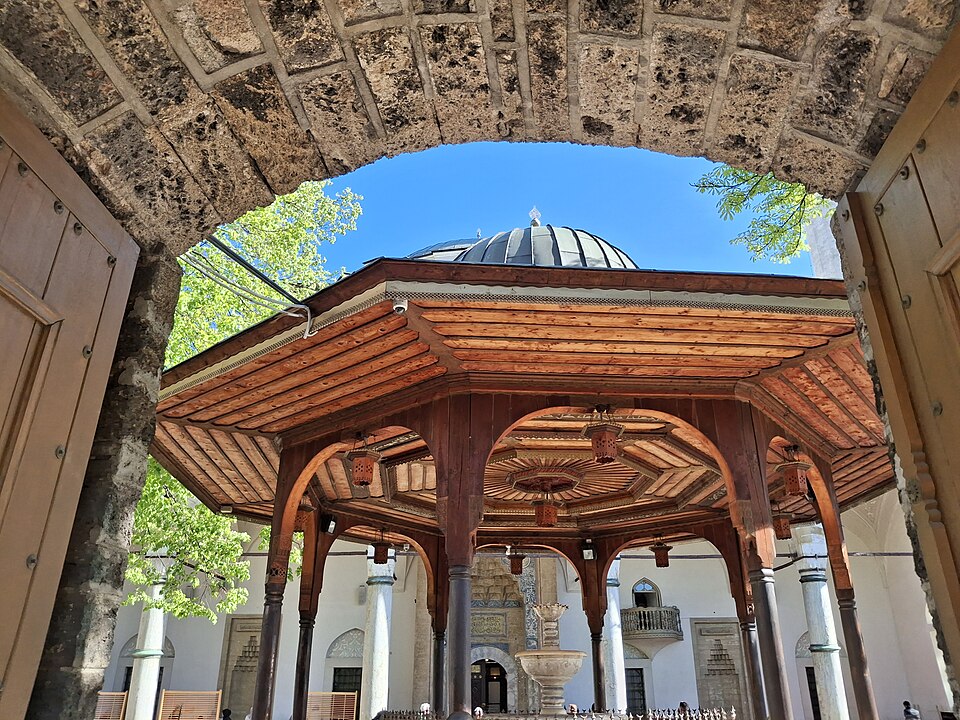
One of the earliest and most impactful series appeared in 1998, just three years after the Dayton Agreement[1]. This set featured iconic Islamic monuments, such as the Gazi Husrev-beg Mosque in Sarajevo, a masterpiece of Ottoman architecture built in 1531. The intricate tile work, soaring minarets, and the mosque’s central role in Bosniak life were captured in vivid detail, allowing collectors worldwide to appreciate its cultural significance.
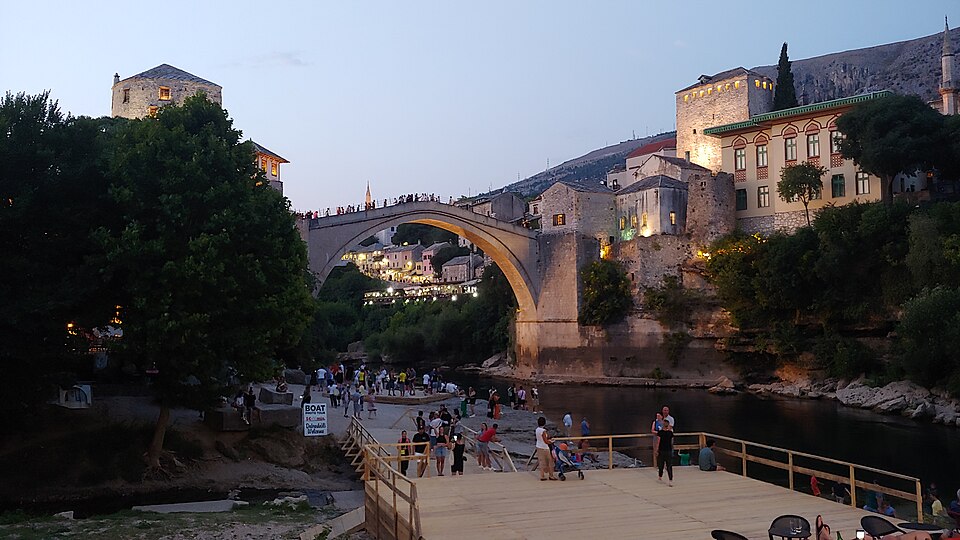
Another notable issue from 2001 focused on the Old Bridge (Stari Most) in Mostar, a UNESCO World Heritage site. Originally constructed in the 16th century, the bridge symbolized coexistence and connection between communities. Its destruction in 1993 was a poignant loss during the war, and its depiction on stamps following its 2004 reconstruction served as a powerful symbol of reconciliation and cultural revival.
Anecdote: The 2004 Old Bridge Stamp and International Solidarity
The stamp commemorating the Old Bridge’s rebuilding was not only a national milestone but also a testament to international cooperation. Funded by UNESCO and supported by global donors, the bridge’s reconstruction was a delicate project involving artisans skilled in traditional Ottoman masonry. Philatelist and historian Amira Hadžić recalls attending the 2004 unveiling ceremony in Mostar[2], where the stamp was introduced to the public, noting how the event brought together former adversaries united by shared cultural heritage. This stamp issue remains a prized possession among collectors who value stamps as emblems of peace and cultural resilience.
Depiction of Islamic Calligraphy and Traditional Crafts
Beyond architecture, stamps issued between 1999 and 2005 also depicted Islamic calligraphy, which has a rich tradition in Bosnian religious manuscripts and mosque decorations. One 2002 issue celebrated Hilye—calligraphic panels glorifying the Prophet Muhammad—showcasing their intricate script and floral motifs.
Additionally, stamps highlighting traditional Bosnian crafts such as filigree silverwork and čilim weaving underscored the everyday cultural expressions influenced by Islamic aesthetics. These issues helped broaden the narrative beyond monumental heritage, emphasizing lived cultural practices still thriving despite wartime disruptions.
Practical Tip for Collectors: Authenticity and Preservation
Collectors interested in Bosnia-Herzegovina’s Islamic heritage stamps should seek issues from official postal sources, such as BH Pošta (Bosnian Postal Service) and Hrvatska Pošta Mostar, to ensure authenticity. Some early post-war stamps were produced in limited runs or under challenging conditions, so verifying watermark and perforation details is crucial. Storing these stamps in acid-free albums and away from direct sunlight will preserve their vibrant colors and intricate designs, which are particularly susceptible to fading given their detailed artwork.
Challenges and Sensitivities in Representing Islamic Heritage
While these stamps serve as proud affirmations of Bosnian Islamic heritage, they also navigate a delicate socio-political landscape. Bosnia-Herzegovina remains divided along ethnic and religious lines, and cultural symbols can be polarizing. Postal authorities carefully balanced these issues by issuing stamps that respected the pluralistic nature of the country while allowing Bosniaks to celebrate their Islamic architectural and cultural legacy.
This balancing act is evident in the careful selection of imagery that emphasizes heritage and artistry without overt political messaging, enabling the stamps to function both as cultural ambassadors and tools of national healing.
Legacy and Continuing Influence of Islamic Heritage Stamps
More than two decades after the war, Bosnia-Herzegovina’s Islamic heritage stamps continue to hold significance for historians, philatelists, and cultural enthusiasts. They document a vital chapter of post-war cultural reclamation and serve as accessible portals into the country’s layered identity. Exhibitions featuring these stamps have traveled internationally, showcasing Bosnia’s resilience and the enduring beauty of its Islamic monuments and traditions.
Anecdote: An Exhibition in Istanbul Celebrates Bosnian Islamic Culture
In 2015, the Istanbul Postal Museum hosted a special[3] exhibit titled “Bridges of Faith: Islamic Heritage in Bosnian Philately.” The collection displayed rare stamps alongside photographs and artifacts, highlighting the shared Ottoman heritage between Turkey and Bosnia-Herzegovina. Visitors were particularly moved by the 1998 Gazi Husrev-beg Mosque issue, which sparked lively discussions about cultural preservation amid conflict. For many philatelists attending, this event reinforced the power of stamps to transcend borders and foster intercultural dialogue.
Conclusion
Bosnia-Herzegovina’s post-war Islamic heritage stamps represent far more than postal currency; they are intricate, visual stories of survival, identity, and reconciliation. Through careful depiction of architectural marvels, calligraphy, and crafts, these stamps reclaim a heritage nearly erased by war and assert its rightful place in the national consciousness. For collectors and history lovers alike, they offer a tangible connection to Bosnia’s past and a hopeful glimpse of cultural continuity in the face of adversity.
Visual Summary — Article in Motion
References
- BH Pošta Official Stamp Catalogue, 1998–2005 Issues, BH Pošta, Sarajevo https://www.bhpost.ba/en
- Amira Hadžić, "Rebuilding Bridges: Post-War Cultural Heritage in Bosnia-Herzegovina," Journal of Balkan Studies, 2010
- Istanbul Postal Museum, "Bridges of Faith: Islamic Heritage in Bosnian Philately," Exhibition Catalogue, 2015