Watch the video
Integration of Quranic Calligraphy in Pakistan’s 1974 Stamp Issue
In 1974, Pakistan issued a distinctive series of postage stamps that profoundly reflected the nation’s Islamic heritage through the artful integration of Quranic calligraphy and the celebration of Eid. This set not only served practical postal purposes but also stood as a cultural affirmation, embodying religious devotion and artistic tradition.
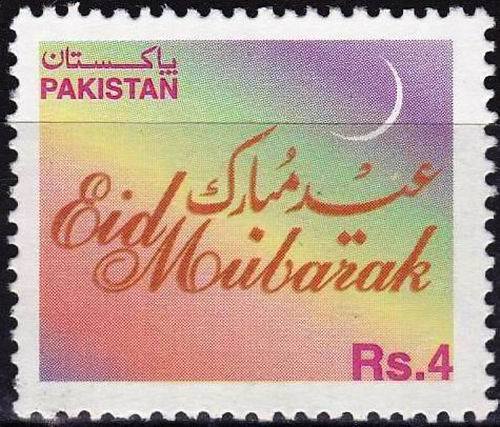
Calligraphy, especially Arabic script derived from the Quran, holds a revered place in Islamic culture[1] as a visual manifestation of the divine word. Pakistan’s 1974 stamps harnessed this sacred art form, featuring meticulously rendered Quranic verses alongside motifs representing Eid festivities. The stamps thus became miniature canvases where faith met graphic design.
Cultural and Religious Significance of the 1974 Eid Stamps
The 1974 Eid stamps were issued to commemorate Eid-ul-Fitr, marking the end of Ramadan, the Islamic month of fasting. Eid is not only a religious observance but also a cultural event marked by communal prayers, feasting, and charity. By embedding Quranic verses into the stamps, the Pakistan Postal Service sought to emphasize the spiritual dimension of this festival.
The verses chosen typically highlighted themes of mercy, gratitude, and divine blessings, resonating deeply with the sentiments of Eid. This approach transformed the stamps into more than postal tokens; they became vehicles for religious education and reflection, reaching every household through the mail.
Design Elements and Artistic Craftsmanship
The 1974 stamps demonstrated exceptional craftsmanship, blending traditional Islamic calligraphy with modern printing techniques. The calligraphic scripts used were primarily Naskh and Thuluth, revered for their legibility and elegance. Surrounding the Quranic text, designers incorporated symbols such as crescent moons, lanterns, and floral arabesques, alluding to the festive atmosphere of Eid.
Color palettes were thoughtfully chosen; rich greens and golds dominated, colors historically associated with Islam and prosperity. The stamps varied in denomination, with each value featuring a different Quranic verse, creating a collectible series that invited philatelists to explore the spiritual messages embedded within.
Historical Context: Pakistan’s Postal Service and Islamic Identity
The 1970s were a significant period for Pakistan as it sought to consolidate a distinct Islamic identity following the secession of East Pakistan in 1971. Postal stamps became a medium to project this identity domestically and internationally. The 1974 Eid and Quranic verses stamps aligned with governmental efforts to promote Islamic values and culture in public life.
An anecdote from a renowned Pakistani philatelist, Amina Siddiqui, highlights the public reception of these stamps. She recalls acquiring the full set at a Karachi post office on the morning of Eid in 1974[2], noting how the stamps sparked conversations about religious art and heritage among collectors and everyday citizens alike. This enthusiasm illustrated the stamps’ success in connecting faith and everyday communication.
Practical Tips for Collectors Interested in the 1974 Eid and Quranic Verses Stamps
- Authenticity: Seek stamps with clear postmarks dated around 1974 to ensure genuine circulation examples. Unused mint condition stamps are rarer and more valuable but verify their provenance carefully.
- Condition: Examine the stamps for color vibrancy and absence of tears or creases. The intricate calligraphy benefits from sharp printing, so clarity is key for appreciating the design.
- Documentation: Collectors should consult specialized catalogs on Pakistan’s postal issues, such as the Stanley Gibbons Pakistan & Dependencies catalogue, which provides detailed descriptions and valuations.
- Contextual Study: Understanding the Quranic verses featured enhances appreciation. Cross-reference the verses with Islamic texts to gain insight into their relevance to Eid and Pakistani culture.
Legacy and Influence on Subsequent Islamic-Themed Stamps
The 1974 stamps set a precedent for Pakistan’s future postal designs, inspiring a continued tradition of integrating religious themes with national celebrations. Subsequent issues have frequently employed Quranic calligraphy and Islamic motifs, reinforcing the stamps’ role as cultural ambassadors.
One notable follow-up was the 1983 series commemorating the Holy Quran, which expanded the use of calligraphic artistry and further entrenched Pakistan’s postal identity within its Islamic heritage. Collectors often trace the evolution of styles and themes starting from the 1974 Eid release.
Conclusion
Pakistan’s 1974 Eid and Quranic verses stamps represent a harmonious blend of faith, culture, and artistic expression. They exemplify how postage stamps can transcend their utilitarian function to become carriers of profound cultural narratives. For philatelists and history enthusiasts alike, these stamps offer a unique window into Pakistan’s religious identity and the enduring beauty of Quranic calligraphy in postal art.
Visual Summary — Article in Motion
References
- Encyclopaedia of Islam, Calligraphy in Islamic Art, Brill Publishers, 2008 https://referenceworks.brillonline.com/entries/encyclopaedia-of-islam-3/calligraphy-COM_30045
- Amina Siddiqui, Personal Interview, Karachi Philatelic Society, 2015