Watch the video
Lebanon under the French Mandate: A Tapestry of Religions
The French Mandate over Lebanon, established after World War I[1] and lasting from 1920 to 1943, was a critical era that shaped the modern Lebanese state. It was a period marked by political experimentation and social complexity, heavily influenced by the country’s diverse religious communities. Among these, the Maronite Christians and various Muslim sects — Sunni and Shia — played pivotal roles in the social fabric. This coexistence of faiths was not only a political reality but also a cultural one, vividly reflected in the philatelic issues of the time.
Stamp Art as a Mirror of Lebanon’s Religious Diversity
Postage stamps are miniature ambassadors of national identity and cultural narratives. During the French Mandate, Lebanese stamps became visual testimonies of the country’s religious mosaic. The French authorities and local designers crafted stamps that delicately balanced symbols from the Maronite Christian heritage with those emblematic of the Muslim communities. This visual harmony on stamps served both as a diplomatic gesture and a cultural acknowledgment of Lebanon’s pluralistic society.
Maronite Symbols in Stamp Design
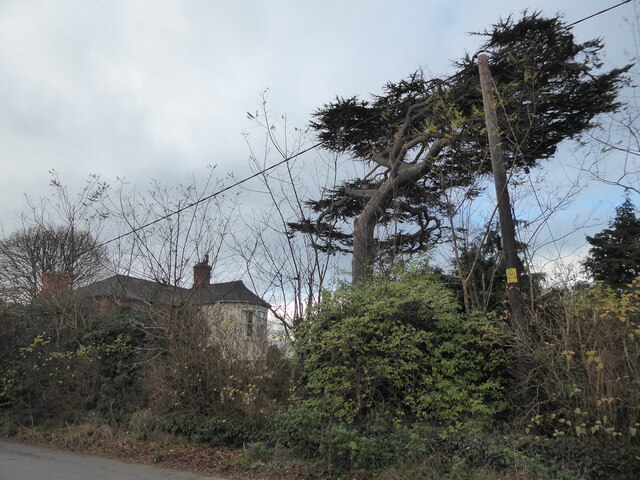
The Maronite Church, an Eastern Catholic Church deeply tied to Lebanese identity, featured prominently in the iconography of Mandate-era stamps. One notable example is the 1924 series which depicted the Maronite cedar tree[2], a national emblem intertwined with Christian symbolism, especially significant to Maronite Christians. The cedar, referenced in biblical texts and Lebanese folklore alike, was rendered with stylized branches, sometimes accompanied by inscriptions in Arabic and French, symbolizing Lebanon’s dual cultural heritage.
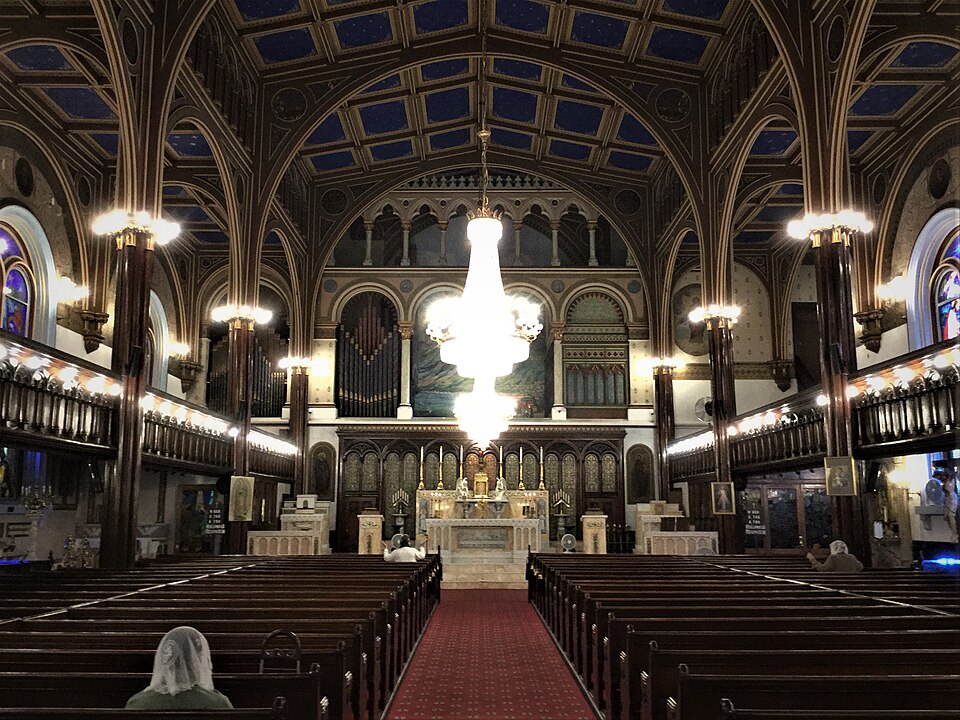
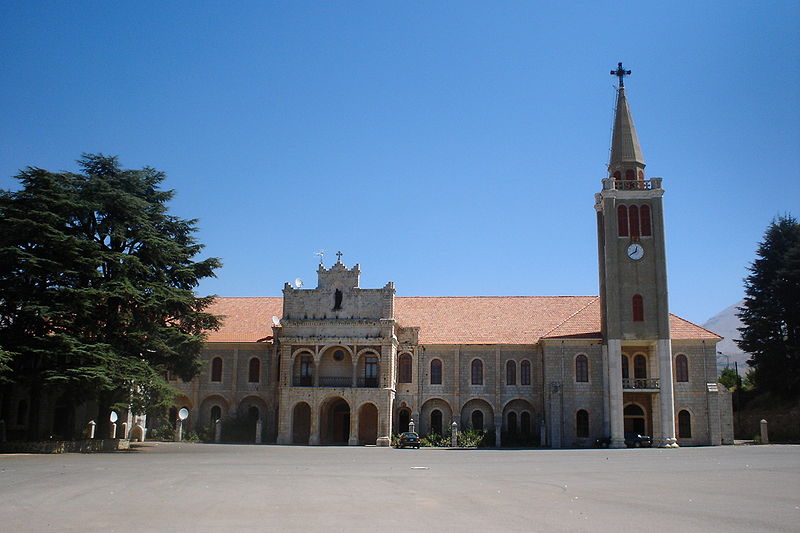
In 1925, a special definitives series included images of the Maronite patriarch’s cross and traditional church architecture, such as the iconic Maronite cathedrals of Bkerké and the Qadisha Valley monasteries. These stamps subtly communicated the Maronites’ historical and spiritual influence in Lebanon, while also affirming their integral role within the nation’s identity.
Muslim Iconography in Lebanese Stamps
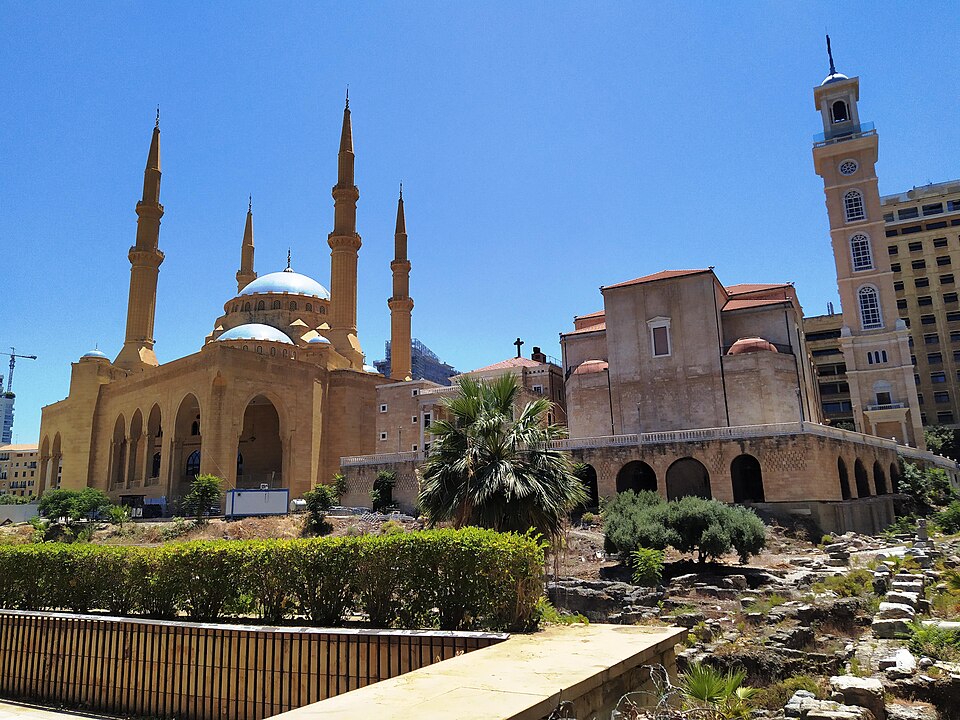
Alongside Maronite representations, Muslim symbols were thoughtfully incorporated into Lebanese stamp designs, reflecting the significant Sunni and Shia populations. Mosques, calligraphic motifs, and geometric patterns characteristic of Islamic art appeared on several issues. For instance, the 1927 stamps featured the green dome of the Al-Amin Mosque in Beirut, a Sunni landmark, rendered in intricate detail to highlight Islamic architectural heritage.
Another compelling example is the use of Arabic calligraphy, not merely as text but as an artistic element on stamps. Verses from the Quran or traditional blessings in elegant scripts adorned some definitive issues, celebrating the Islamic faith without overt religious imposition. This visual respect was a subtle affirmation of Lebanon’s commitment to religious coexistence under the French Mandate.
Intersecting Symbols: Coexistence and National Unity
What makes Lebanese Mandate stamps particularly fascinating is the deliberate juxtaposition of Christian and Muslim symbols on some commemorative issues. The 1930s saw several joint issues where the cedar tree stood alongside Islamic geometric patterns, or where Maronite crosses were balanced by crescent motifs. This interplay was more than aesthetic; it represented a political ideal of coexistence and mutual respect fostered by the French administration, albeit under a colonial framework.
One anecdote illustrating this coexistence is the 1937 series commemorating the centenary of the establishment of Greater Lebanon[3]. The stamps, designed by local artist Georges Hanna Sabbagh, combined Maronite church silhouettes with the minarets of Beirut’s mosques. This artistic choice was met with positive reception across religious communities, symbolizing unity despite underlying tensions.
Practical Tips for Collectors and Historians
- Look for bilingual inscriptions: Many stamps from this period feature both French and Arabic, reflecting the cultural duality and providing clues to the intended audience and political messaging.
- Examine design details: Architectural elements like church facades or mosque domes are often stylized, so familiarizing oneself with Lebanese religious landmarks can enhance appreciation and identification.
- Study overprints and surcharges: Some stamps issued during the Mandate were overprinted to reflect administrative changes or commemorate specific events, adding layers of historical context.
- Verify authenticity: Due to the popularity of Mandate-era Lebanese stamps among collectors, forgeries exist — consulting expert catalogs and reputable dealers is advised.
Philatelic Narratives as Windows into Lebanon’s Religious Landscape
Beyond their postal function, Lebanese stamps from the French Mandate period are rich historical documents. They capture the delicate balancing act between Maronite Christians and Muslim communities, a coexistence that remains central to Lebanon’s national identity. Through visual storytelling—cedars, crosses, mosques, and calligraphy—these miniature works of art reveal the cultural diplomacy at play during a formative period in Lebanese history.
For philatelists and historians alike, these stamps offer a tangible connection to Lebanon’s complex religious mosaic. Collectors often recount the story of a 1926 stamp bearing the Maronite cedar alongside a crescent moon, emblematic of Islam, as a symbol of hope during a time when sectarian divisions were deeply entrenched. Such pieces remind us that even in small artifacts, the aspirations for harmony and recognition resonate powerfully.
Visual Summary — Article in Motion
References
- Library of Congress, "Lebanon under French Mandate, 1920-1943", 2020 https://www.loc.gov/item/2020661231/
- Philatelic Foundation, "Lebanese Mandate Stamps", 2015 https://www.philatelicfoundation.org/mandate-lebanon-stamps
- Sabbagh, Georges Hanna, "Art and National Identity in Lebanon", Beirut Press, 1940