Watch the video
Islamic Artistry as a Defining Feature of Jammu and Kashmir’s Stamps
The postage stamps of Jammu and Kashmir stand out in the philatelic world for their exquisite incorporation of Islamic artistry. This artistry reflects the region’s deep-rooted Islamic heritage, visible through intricate calligraphy, geometric motifs, and floral arabesques that adorn many of the issues from the princely state era. These stamps are not merely postal instruments but miniature canvases narrating the cultural and religious identity of a region long marked by political complexities.
Historical Context of Jammu and Kashmir’s Postal Issues
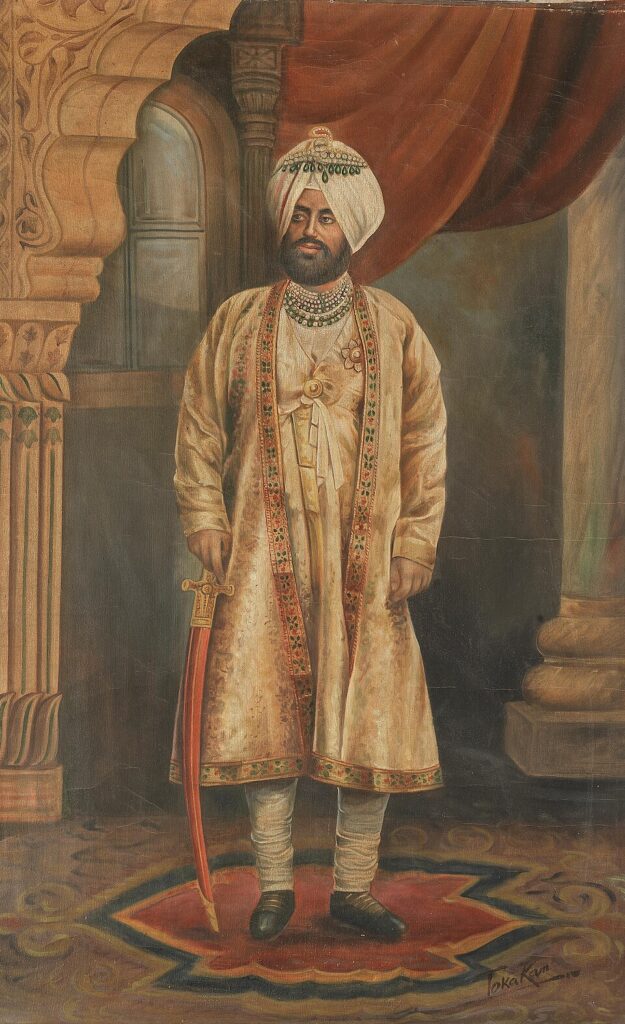
Jammu and Kashmir, a princely state in the northern part of the Indian subcontinent, issued its own stamps from 1866 until 1947, a period that witnessed significant political changes and cultural flowering. During this time, the region was ruled by the Dogra dynasty under British suzerainty, yet it maintained a distinctive postal system with stamps that visually reflected its unique identity.
The first stamps, issued in 1866 under Maharaja Ranbir Singh, set the tone for the artistic direction of the region’s postal issues. They featured the Lion and Tiger emblem, a symbol of power and authority, but it was the subsequent issues that increasingly embraced Islamic artistic traditions, mirroring the religious demographics and cultural influences predominant in the Kashmir Valley.
Characteristics of Islamic Calligraphy on Jammu and Kashmir Stamps
Islamic calligraphy on Jammu and Kashmir stamps is not merely decorative but serves as a spiritual and cultural expression. Arabic script, often rendered in elegant Naskh or Thuluth styles, appears frequently in the form of verses from the Quran, blessings, or royal titles. The calligraphy is meticulously integrated with other design elements, showcasing the high level of craftsmanship.
One notable example is the 1917 issue featuring the inscription Bismillah al-Rahman al-Rahim (In the name of God, the Most Gracious, the Most Merciful), beautifully rendered in flowing script. This not only signaled the Islamic identity of the region but also underscored the spiritual authority of the ruling dynasty.
Islamic Geometric Patterns and Floral Motifs: Symbolism and Design
Beyond calligraphy, Jammu and Kashmir’s stamps incorporate intricate geometric patterns and arabesques, hallmark features of Islamic art. These designs are characterized by symmetrical repetition, interlacing stars, polygons, and stylized vines, which symbolize the infinite nature of creation and the unity underlying multiplicity.
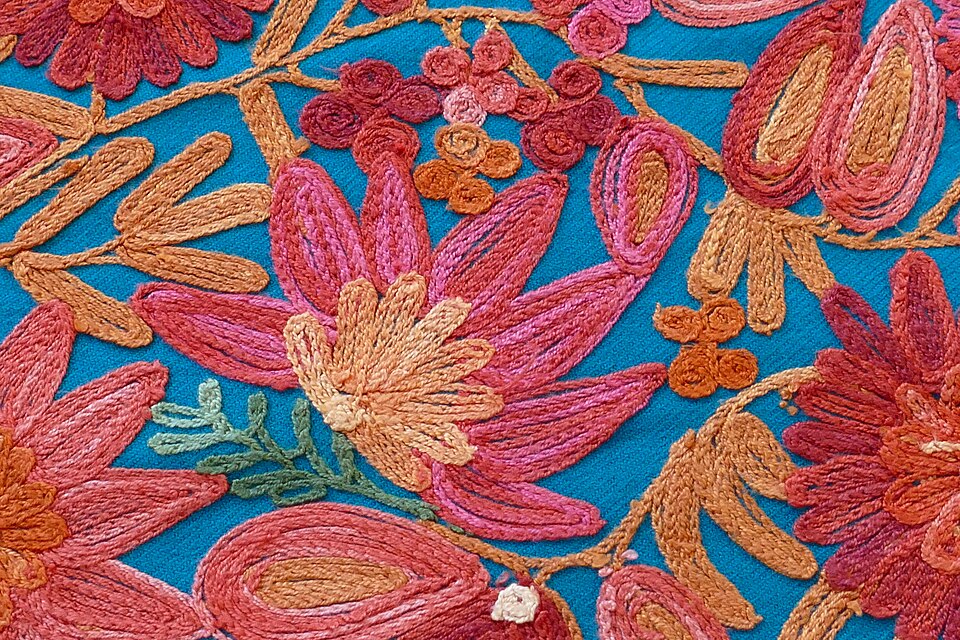
The floral motifs often found on these stamps echo the traditional Kashmiri papier-mâché and embroidery patterns, blending local craft traditions with Islamic artistic principles. This fusion is evident in the 1928 series of stamps, where delicate floral borders frame the central calligraphic inscriptions, creating a harmonious balance between text and ornament.
The Role of Stamps in Reflecting Jammu and Kashmir’s Religious Heritage
Jammu and Kashmir’s stamps serve as tangible representations of the region’s religious heritage, predominantly Islamic but inclusive of its syncretic culture. The use of Islamic calligraphy and motifs on stamps was a deliberate assertion of identity during a period when the princely state was navigating its place within the British Raj and later, the emerging political realities of partition and dispute.
These stamps also functioned as cultural ambassadors, traveling beyond the region and introducing the wider world to Kashmir’s rich Islamic artistic traditions. Collectors and historians recognize them as valuable artifacts that document how religious and cultural expressions found a unique voice through philately.
Anecdote: The 1912 ‘Kashmir Shawl’ Stamp and its Artistic Legacy
One particularly celebrated stamp is the 1912 ‘Kashmir Shawl’ issue, which features intricate woolen shawl patterns stylized in Islamic floral motifs. Legend has it that the design was inspired by a shawl presented by Maharaja Pratap Singh to a British dignitary, symbolizing the fusion of indigenous artistry with Islamic aesthetics. This stamp remains highly prized among collectors for its fine detailing and cultural symbolism.
Philatelic Tips for Collectors Interested in Jammu and Kashmir’s Islamic Art Stamps
- Authentication: Given the rarity and historical value of Jammu and Kashmir stamps, always seek expert authentication to avoid forgeries, especially on early issues featuring Islamic calligraphy.
- Contextual Study: Understanding the meanings behind the calligraphic inscriptions and motifs enhances appreciation. Resources on Islamic art and Kashmiri history are invaluable.
- Condition and Provenance: Because of the stamps’ age and fragility, condition significantly affects value. Provenance documentation adds to the collectible’s story and authenticity.
Preservation of Islamic Cultural Heritage through Philately
Stamps from Jammu and Kashmir illustrate how philately can preserve and promote Islamic cultural heritage. In a region marked by enduring geopolitical tensions, these postal artifacts offer a window into the artistic and spiritual life that transcends political boundaries. Museums and collectors worldwide continue to safeguard these stamps as cultural treasures that embody the essence of Kashmir’s Islamic artistic legacy.
Visual Summary — Article in Motion
Conclusion
The stamps of Jammu and Kashmir are far more than mere postage; they are intimate visual narratives that intertwine Islamic calligraphy, motifs, and local cultural heritage. Rooted in the region’s religious identity and historical experience, these stamps provide philatelists and history lovers alike with profound insights into Kashmir’s complex past and exquisite artistry. Through their intricate designs and symbolic richness, they continue to captivate collectors, serving as enduring testaments to the region’s cultural resilience and artistic brilliance.