Watch the video
Pakistan’s 1990 Football-Themed Stamps: A Philatelic Window into National Identity
In 1990, Pakistan issued a rare set of football-themed postage stamps that are more than mere postal artifacts; they chart a vivid narrative of the country’s postcolonial sporting ambitions, intertwined with expressions of national pride and Islamic identity. These stamps, issued by Pakistan Post, represent a unique moment when a Muslim South Asian nation sought to visually and symbolically assert its place on the global sporting stage through philately. For collectors and historians alike, these stamps offer an insightful lens into how sport, culture, and identity coalesce in a country navigating its post-independence trajectory.
Design and Symbolism in the 1990 Football Stamps
The set comprises four stamps, each showcasing dynamic football imagery combined with traditional Islamic motifs and national symbols. The designs feature players in mid-action, rendered against backgrounds incorporating crescent moons and star patterns, echoing Pakistan’s flag and Islamic heritage.
Notably, the stamps were printed in vibrant colors—deep greens and stark whites—reinforcing the national palette. The denomination values ranged from 2 to 10 Pakistani rupees, indicating their intended use across varying postal rates.
One particular stamp depicts a footballer launching a powerful kick, framed by a geometric pattern inspired by Mughal architectural ornamentation. This fusion of modern sport and historical Islamic aesthetics reflects a deliberate choice to situate football within a culturally resonant context.
Football’s Role in Pakistan’s Postcolonial Sporting Landscape
Football in Pakistan has historically played a secondary role to cricket, the latter being the country’s most celebrated sport. However, by the late 1980s and early 1990s, football began to emerge as a vehicle for national unity and youth engagement, particularly in urban and northern regions.
The issuance of football-themed stamps in 1990 coincided with Pakistan’s attempts to invigorate its football infrastructure, including increased participation in regional tournaments such as the South Asian Games and the Asian Football Confederation competitions.
Philatelist and historian Dr. Farah Khan notes, “These stamps symbolized a conscious effort by the Pakistani state to align itself with global sporting trends, showcasing an aspiration to compete not just politically but culturally and athletically on the world stage.”
Islamic Identity and National Pride Expressed Through Philately
The integration of Islamic motifs on the football stamps goes beyond aesthetic considerations. It reflects Pakistan’s foundational identity as a homeland for Muslims in South Asia and demonstrates how the state leveraged symbolism to foster unity.
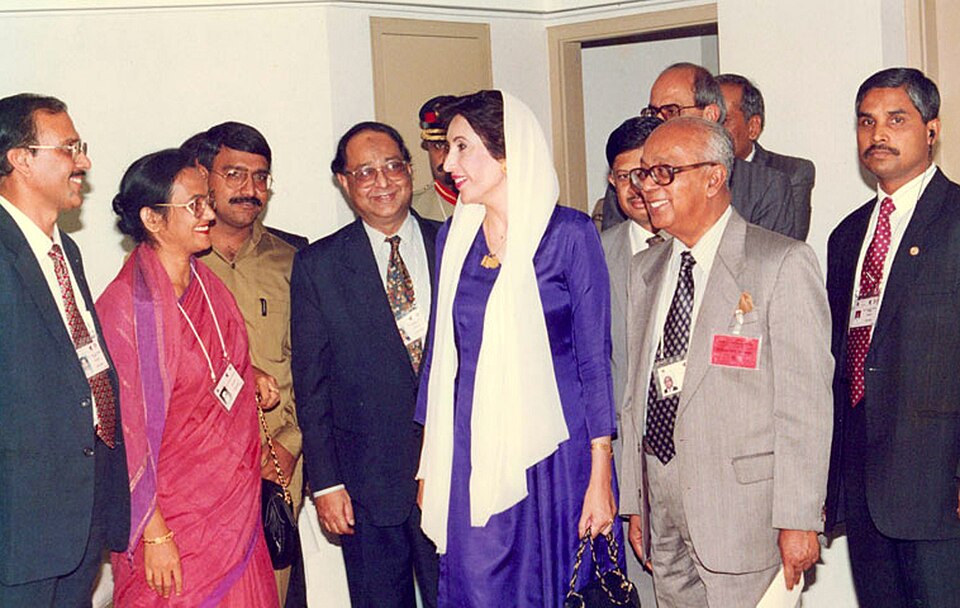
In 1990, Pakistan was under the leadership of Prime Minister Benazir Bhutto, whose government sought to project a modern yet culturally authentic image internationally. The stamps fit within this broader narrative by marrying contemporary sport with Islamic art traditions.
Moreover, the crescent and star, universally recognized symbols of Islam, punctuate the stamp designs, reinforcing the nation’s religious and cultural ethos. This blending of sport and faith in postage stamps is a rare but powerful example of how small artifacts can communicate layered identities.
Anecdote: The 1992 Asian Cup and the Stamp’s Legacy
Just two years after the stamps’ release, Pakistan’s national football team participated in the 1992 AFC Asian Cup held in Japan, marking one of their earliest appearances on a major continental stage. The timing imbued the stamps with prophetic significance—philatelists and sport enthusiasts alike viewed them as a herald of Pakistan’s sporting ambitions.
Collector Tariq Mahmood recalls acquiring the entire set in Karachi in 1991. “The stamps were not only beautiful but represented hope for our footballers. When the team played in the Asian Cup, the stamps felt like a talisman of national pride,” he shares.
Rarity and Collecting Tips for Enthusiasts
Pakistan’s 1990 football stamps are considered rare among collectors due to relatively low print runs and the limited global prominence of Pakistani football-themed philately. Those seeking to add these stamps to their collections should note the following practical tips:
- Condition is paramount: Seek stamps in mint condition with original gum intact, as cancellations can diminish value.
- Authenticate carefully: Beware of forgeries or reprints; consult specialized catalogues like the Stanley Gibbons Pakistan listings.
- Provenance enhances value: Stamps with documented ownership, especially from notable collectors like Tariq Mahmood, command premium prices.
- Combine with related memorabilia: Pairing the stamps with match programs or signed football jerseys from the early 1990s can create compelling themed collections.
Philately as a Mirror of Postcolonial Aspirations
The 1990 football stamps offer a tangible example of how postage stamps serve as intimate, visual narratives of a nation’s ambitions. Pakistan, a country that emerged from British colonial rule in 1947, has navigated complex cultural and political identities. Through these stamps, the government articulated the desire to assert itself not only as a Muslim homeland but also as a participant in global cultural phenomena like football.
The stamps are a testament to the power of philately to convey layered meanings—combining sport, religion, and nationalism in a manner accessible to both domestic citizens and international audiences.
Visual Summary — Article in Motion
Conclusion
Pakistan’s 1990 football-themed stamps stand as compelling artifacts that encapsulate the country’s postcolonial sporting aspirations and the interplay of Islamic identity with national pride. Beyond their colorful depictions of the beautiful game, they reveal a nuanced story of cultural expression and geopolitical ambition. For philatelists, historians, and cultural enthusiasts, these stamps are a rare window into the aspirations of a young nation striving to define itself through sport and symbol.