Watch the video
The Ottoman Empire’s Sporting Spirit Reflected in 1912 Stamps
In the early 20th century, the Ottoman Empire stood at a crossroads of tradition and modernization. Among the many signs of cultural evolution was the introduction of sports imagery on postage stamps, a vivid testament to emerging popular interests. The 1912 Ottoman sports stamps are particularly remarkable for showcasing football, a sport that was rapidly gaining ground in Muslim-majority societies within the empire. These stamps not only illustrate the early acceptance of football but also provide a unique lens into how the Ottoman state sought to project a modern identity aligned with global trends.
Historical Context: Football’s Arrival in the Ottoman World
Football was introduced to the Ottoman Empire in the late 19th century, primarily through British expatriates and local youth educated in Western-style schools. By the early 1900s, football clubs had begun to form in major urban centers like Istanbul, Salonica (now Thessaloniki), and Izmir. These clubs were often multi-ethnic and included Muslims, Christians, and Jews, reflecting the cosmopolitan nature of Ottoman towns.
However, Muslim participation was initially limited due to social and religious reservations about competitive sports and public physical activities. Over time, these attitudes shifted, partly influenced by the Young Turk movement’s push for modernization and national vitality. Football became a symbol of physical vigor and modern citizenship, embraced by young Ottomans who saw it as a way to engage with global culture.
An Anecdote: The Formation of Galatasaray SK
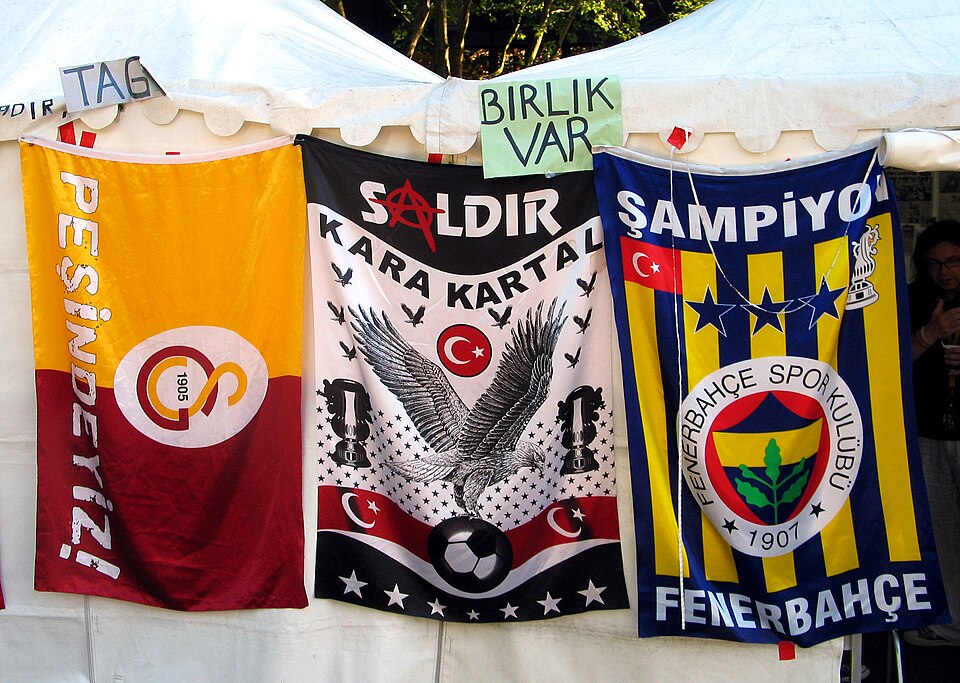
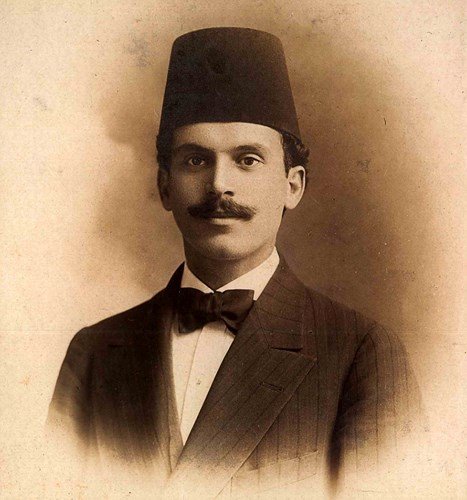
One of the earliest and most enduring football clubs in the Ottoman Empire was Galatasaray SK, founded in 1905 by Ali Sami Yen and his classmates at the prestigious Galatasaray High School in Istanbul. This club was significant because it was founded by Muslim Turks, signaling increasing acceptance of football within the Muslim community. Galatasaray quickly became a beacon of Ottoman sporting enthusiasm, competing against clubs formed by non-Muslim communities, thus fostering a spirit of competitive sportsmanship across cultural lines.
The 1912 Ottoman Sports Stamp Issue: Design and Symbolism
Issued in 1912, the Ottoman sports stamps are among the earliest postal artifacts to feature football imagery. The series included multiple denominations, each depicting athletes engaged in different sports, with a notable focus on football. The designs were striking in their realism and dynamism, capturing players mid-action, evoking the excitement of competition.

The stamps are printed with Arabic script and Ottoman motifs, blending traditional calligraphy with modern sports iconography. This juxtaposition reflects the empire’s attempt to harmonize Islamic heritage with contemporary global culture. Moreover, the use of sports as a theme on official stamps highlighted the Ottoman government’s endorsement of physical education and athleticism as tools for societal improvement.
Practical Tip for Collectors
Collectors interested in Ottoman sports stamps should pay close attention to the condition of perforations and color vibrancy, as these stamps were often used on regular mail and can suffer from wear. The 1912 football stamps are relatively scarce in unused condition, making them a prized addition to any collection focused on sports philately or Ottoman postal history. Provenance and expert certification can significantly enhance value, especially for stamps with clear postmarks from Istanbul or Salonica.
Football Imagery as a Political and Cultural Statement
The depiction of football on Ottoman stamps was more than decorative; it carried political and cultural significance. During this period, the empire was grappling with internal reform and external pressures. Portraying modern sports symbolized a progressive, youthful Ottoman identity eager to engage with European norms without abandoning its Islamic and Ottoman roots.
Furthermore, football served as a unifying force among diverse ethnic and religious groups within the empire. The stamps, circulated throughout Ottoman territories, helped disseminate this image of modernity and inclusivity, subtly encouraging participation in collective national projects through sport.
Another Anecdote: The 1912 Balkan Wars and the Role of Sport
Interestingly, the 1912 issuance of these sports stamps coincided with the outbreak of the Balkan Wars, a devastating conflict that challenged Ottoman territorial integrity. Amidst the turmoil, football clubs and their supporters often organized matches to boost morale and foster camaraderie. Some clubs even temporarily suspended play to send players to the front, underscoring the interweaving of sports and national service. The stamps thus represent a poignant snapshot of a society balancing the joy of sport with the stark realities of conflict.
Legacy and Influence on Later Muslim Sporting Culture
The Ottoman Empire’s early adoption of football imagery on postage stamps paved the way for broader acceptance and enthusiasm for the sport in Muslim-majority regions. After the empire’s dissolution and the establishment of the Turkish Republic, football continued to grow in popularity, becoming a central element of Turkish national identity.
Philatelically, the 1912 stamps remain a landmark issue, inspiring later series that celebrated athletic achievement and international competition. They offer collectors and historians alike a tangible connection to an era when sports began to transcend cultural boundaries and become a shared language across the Muslim world.
Practical Tip for Enthusiasts
When researching Ottoman sports stamps, it is beneficial to consult archival postal records and period newspapers, many of which have been digitized by Turkish national libraries. This can provide valuable insights into the stamps’ circulation, public reception, and the broader sporting culture of the time. Additionally, engaging with specialized philatelic societies focused on Ottoman or Middle Eastern stamps can uncover hidden rarities and expert knowledge.
Visual Summary — Article in Motion
Conclusion
The 1912 Ottoman sports stamps stand as fascinating emblems of early Muslim engagement with competitive football, reflecting the empire’s complex journey toward modernity. Through these small yet powerful images, we glimpse a society embracing new forms of cultural expression, negotiating identity, and participating in the global rise of sport. For philatelists, historians, and art collectors, these stamps offer a compelling narrative of transformation and continuity, reminding us how postage stamps can eloquently capture pivotal moments in cultural history.